Romania
World Data Ocean keeps Romania in one place: 16 stories so far. The section currently leads with “Drone Attacks Ignite Russian Tankers Off Romania's Black Sea Coast”, “Black Sea Tanker Fire Prompts Investigation After Romanian Drone Reports”, and “Fincantieri commits nearly €100 million to robotic shipyard intelligence”. Two tankers of Russian origin were struck by drones off Romania's Black Sea coast, igniting fires that underscore the growing intersection of geopolitical conflict and maritime risk. A chemical tanker anchored off Romania's coast is now the subject of an investigation after a fire broke out aboard the Yara J, 8-10 nautical miles southeast of the Sulina Canal. A Global Hub for Ocean Intelligence 4 World Data Ocean is a centralized digital platform where researchers, scientists, and ocean enthusiasts converge to… The list below is every Romania story on World Data Ocean, newest first.
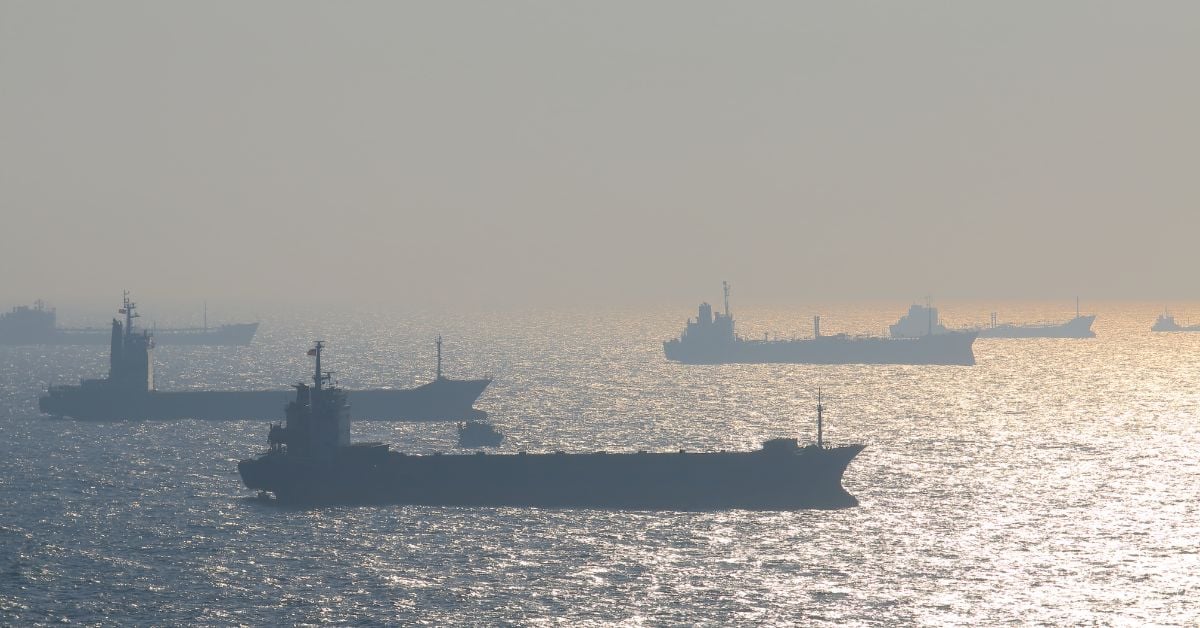
Drone Attacks Ignite Russian Tankers Off Romania's Black Sea Coast
Two tankers of Russian origin were struck by drones off Romania's Black Sea coast, igniting fires that underscore the growing intersection of geopolitical conflict and maritime risk. This incident demands empirical attention: such attacks disrupt trade routes and threaten marine ecosystems in a region already under environmental stress. For deeper context on how shifting trade dynamics and climate pressures are reshaping shipping, see our related coverage on maritime fees signaling friction in trade amid climate and shipping integration.
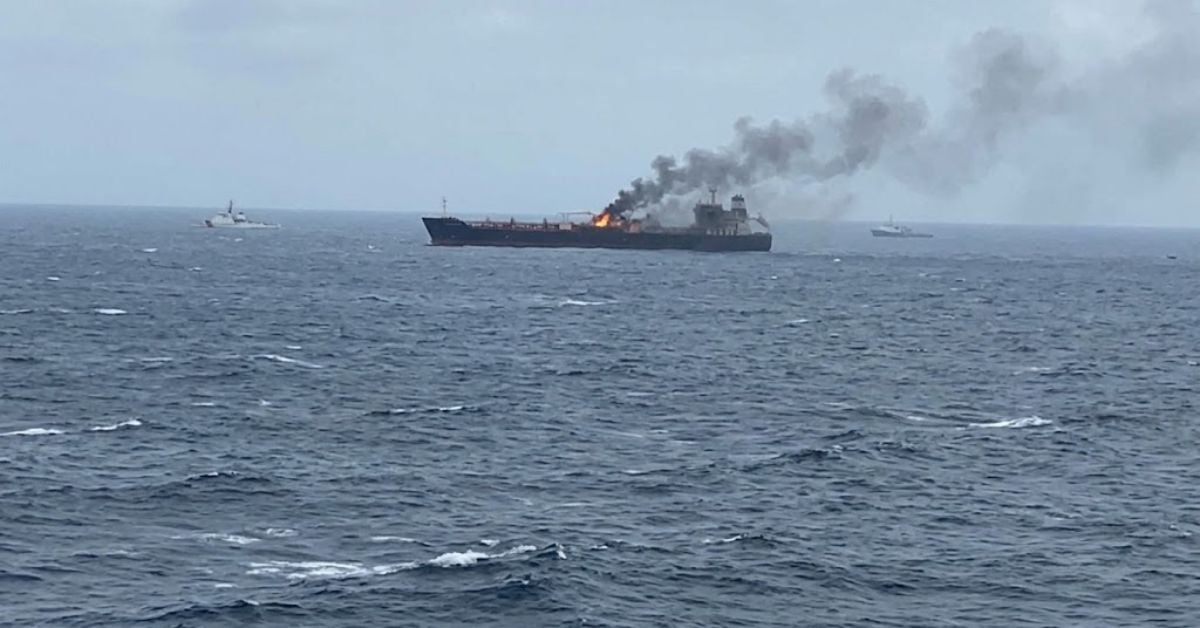
Black Sea Tanker Fire Prompts Investigation After Romanian Drone Reports
A chemical tanker anchored off Romania's coast is now the subject of an investigation after a fire broke out aboard the Yara J, 8-10 nautical miles southeast of the Sulina Canal. The Black Sea remains a theater of compounding threats, where environmental risk from aging vessels meets geopolitical instability. For readers tracking these converging maritime crises, our coverage of the *Three-drone strike sinks Maltese-flagged vessel near Bulgarian coast* documents an equally sobering intersection of commerce and conflict.
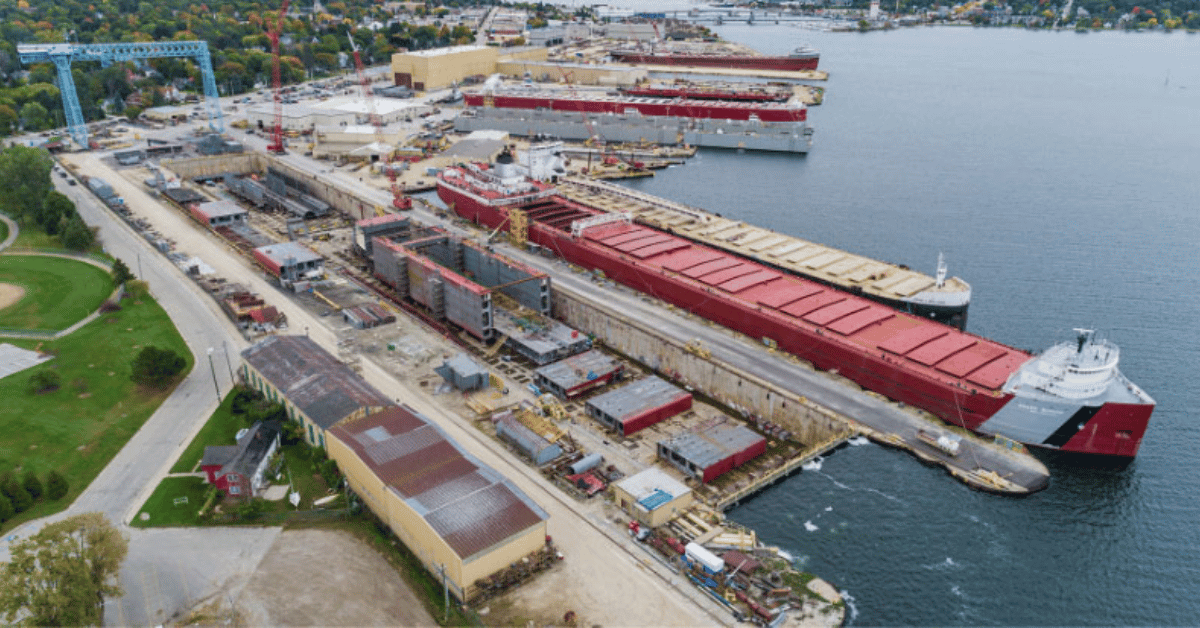
Fincantieri commits nearly €100 million to robotic shipyard intelligence
Nearly €100 million is a serious bet on a single question: can a shipyard think for itself? Fincantieri's BOOST² program plans to integrate AI, robotics, and automation across its facilities to sharpen productivity and safety. This is measurable industrial evolution, not speculative hype. The investment treats shipbuilding as an integrated data ecosystem where real-time intelligence drives every weld and hoist. For context on how digitalisation is reshaping maritime safety, read our coverage of the AI and digitalisation pact between China Merchants Energy Shipping and RINA.
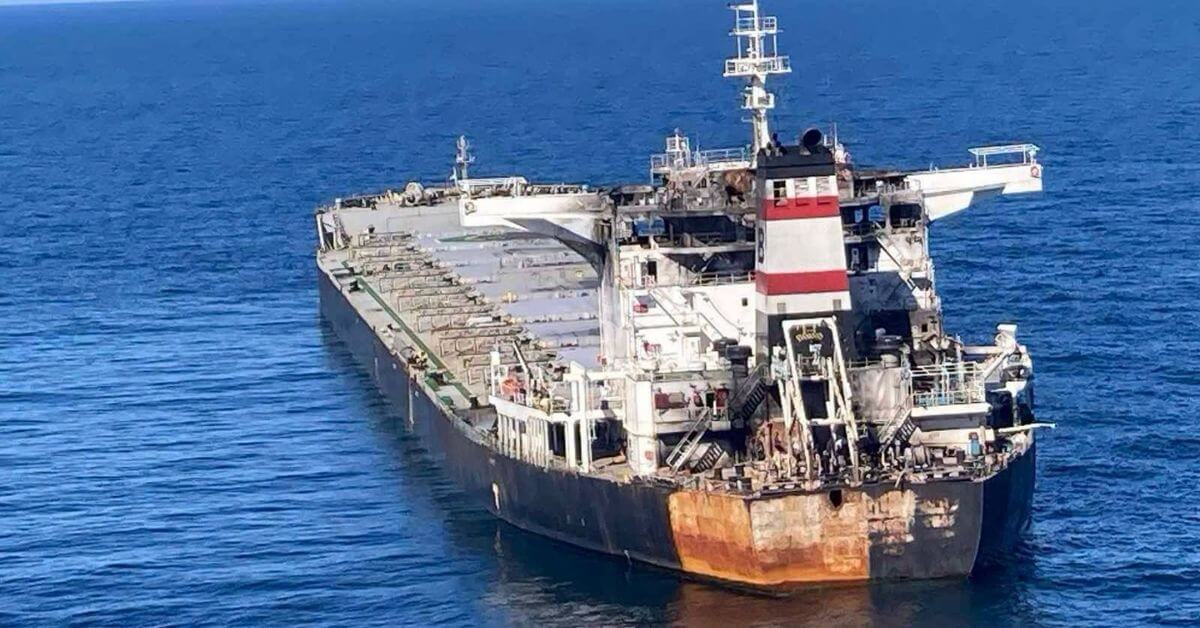
Drone-Struck Abandoned Cargo Ship Drifts Through Black Sea Toward Bulgaria
A single abandoned cargo ship, damaged by a Russian drone near Odesa in August, is now drifting through the Black Sea toward Bulgaria. The vessel's unguided path underscores how fragile maritime security remains in the region. Each drifting hull is a measurable reminder that stability here is not abstract; it is a climate and food security indicator. For deeper context on these risks, our related coverage on Black Sea stability offers a broader view.
Bulgaria concludes search for missing crew after drone strike in its waters
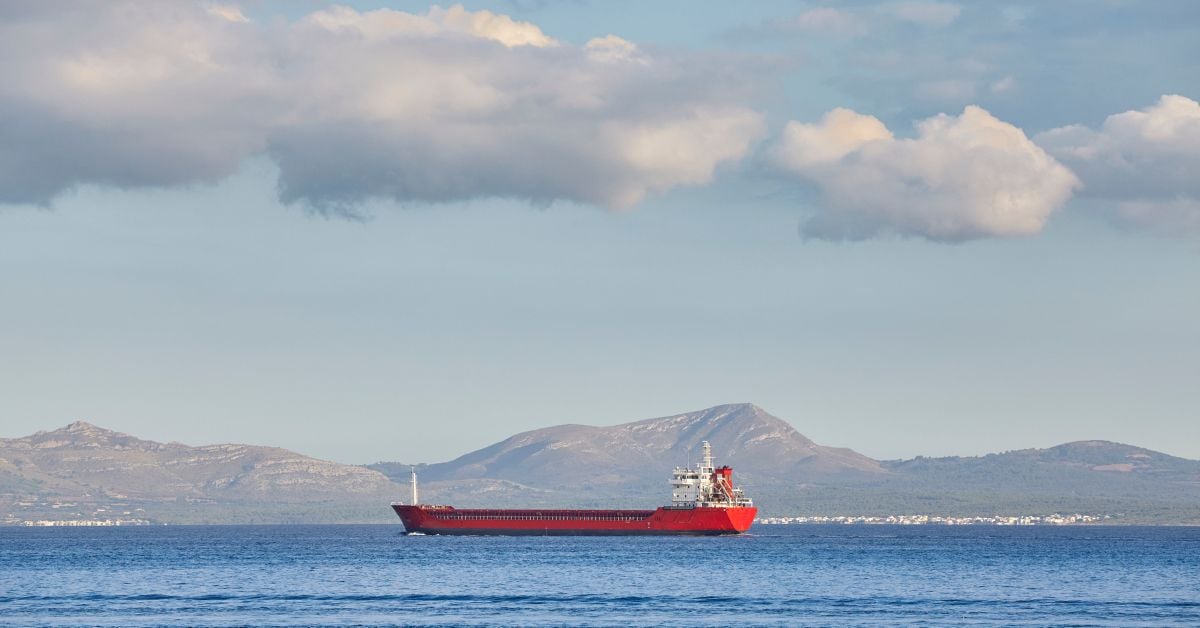
Bulgaria has ended the search for missing crew members of a cargo vessel that sank 70 nautical miles off its coast after a drone strike. This measured decision reflects the grim realities of escalating maritime threats. The incident is not isolated; as our coverage notes, "Black Sea Maritime Attacks Injure Two Indian Seafarers, Urge Immediate Action" documents four vessels attacked in just 48 hours. These empirical data points demand integrated, real-time monitoring to protect seafarers and global supply chains.
Drone Strike Suspected in Black Sea Cargo Ship Sinking
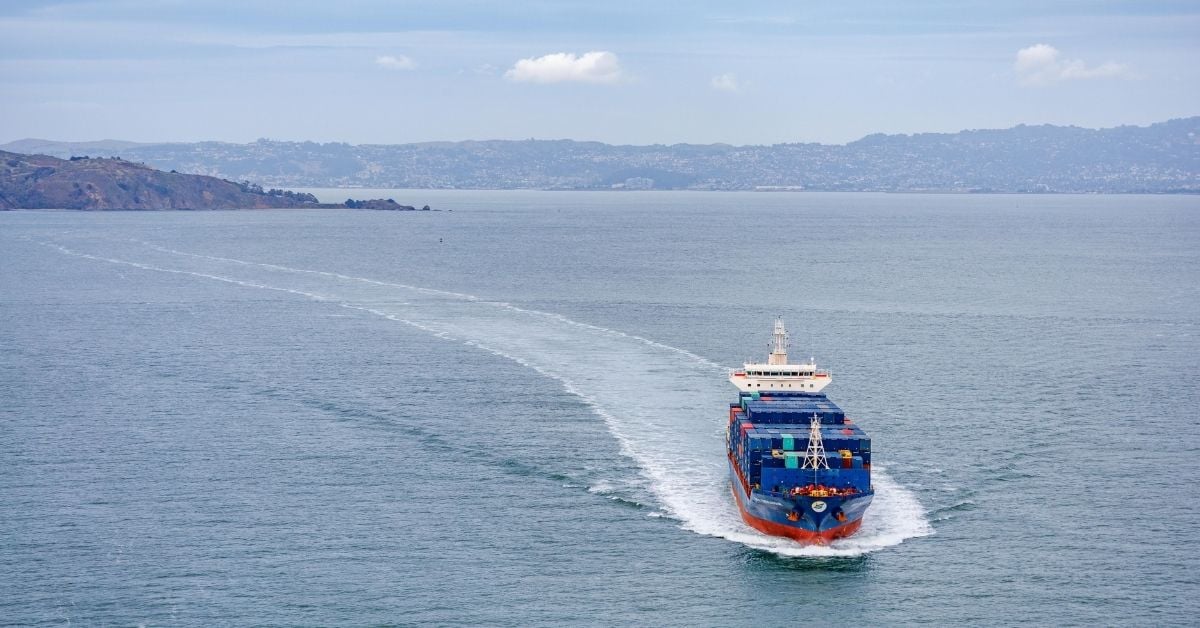
A cargo ship caught fire and sank off Romania on Thursday evening, with a drone strike the suspected cause. The incident injects a volatile new variable into Black Sea shipping lanes already strained by regional conflict. This is not a remote concern; it is a direct challenge to the safety of commercial routes and the maritime data that tracks them. As we monitor these climate and security indicators, the need for transparent, real-time reporting has never been clearer.
Bolstering Black Sea Security: Bulgaria Acquires Minehunters for Maritime Protection
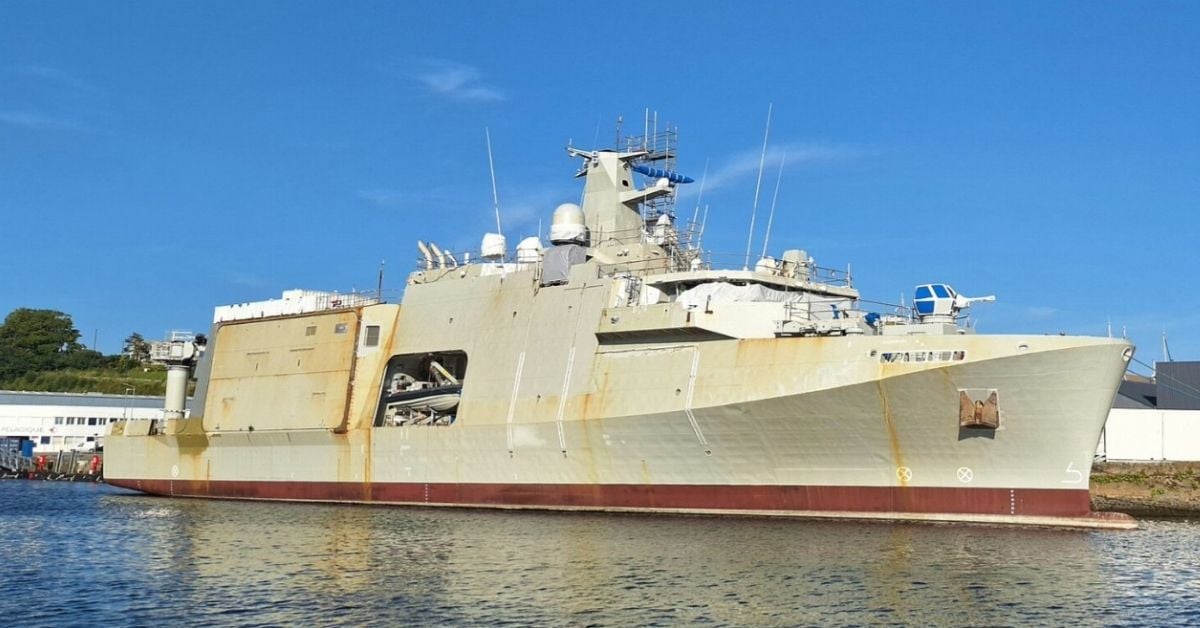
Bulgaria is adding seven minehunters from Belgium and the Netherlands to its naval arsenal, a measured step toward securing Black Sea shipping lanes against naval mines. This acquisition is less about spectacle and more about practical defense, addressing a real and present hazard to commercial traffic. It is a sensible move, though one that also signals how tense the region has become. For broader context on Moscow's maritime ambitions, our piece on Russia's Arctic export plans offers a useful counterpoint.
Grain Shipments Stalled: 70 Vessels Await Danube Canal Access
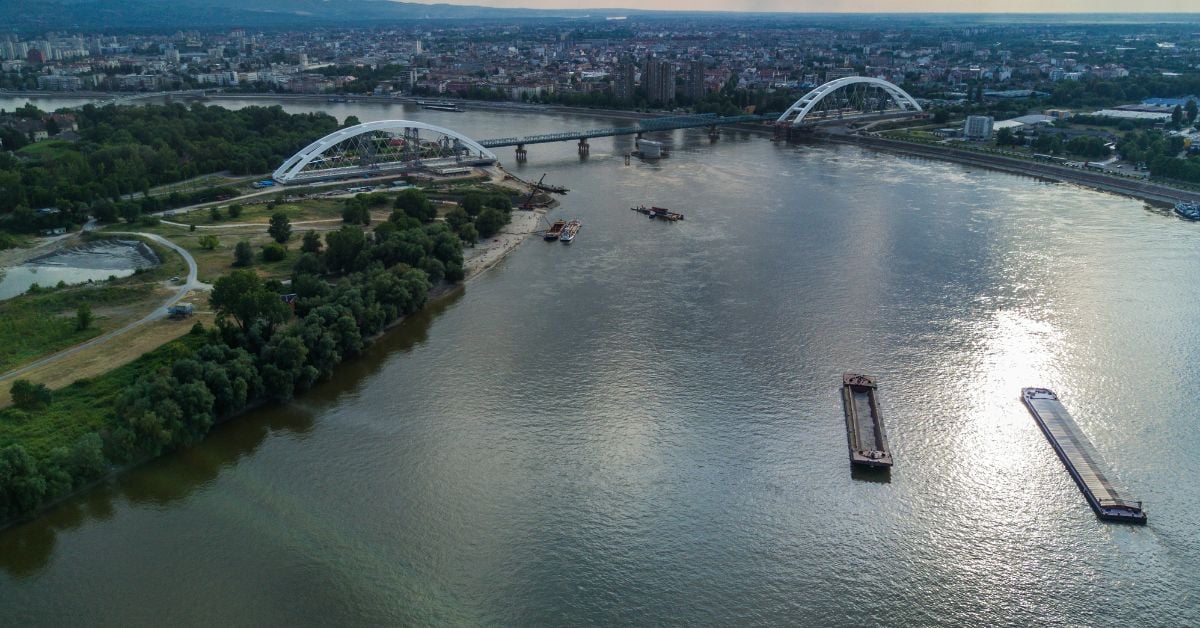
Seventy vessels sit idle near the Sulina Canal, their holds empty as grain shipments stall at Ukrainian ports. This bottleneck is more than a logistical snag; it is a measurable disruption to global food supply chains. The wait underscores how fragile export routes remain under persistent threat. For context on the broader pattern, our related coverage in "Fatal Attack on Cargo Ship Highlights Black Sea Shipping Risks" outlines the human and operational costs already incurred. Reliable passage is not a given.

Cargo Ship Fire Disrupts Operations at Port of Midia
A fire aboard an ore-laden cargo ship at the Port of Midia on August 21, 2026, has forced a halt to operations at the Romanian harbor. The incident underscores how a single maritime emergency can ripple through supply chains, demanding rapid response and coordinated recovery. While the immediate focus is on containment and safety, the disruption highlights the fragile nature of port logistics.
Drone Incident Near Black Sea Gas Platform Triggers Romanian Response
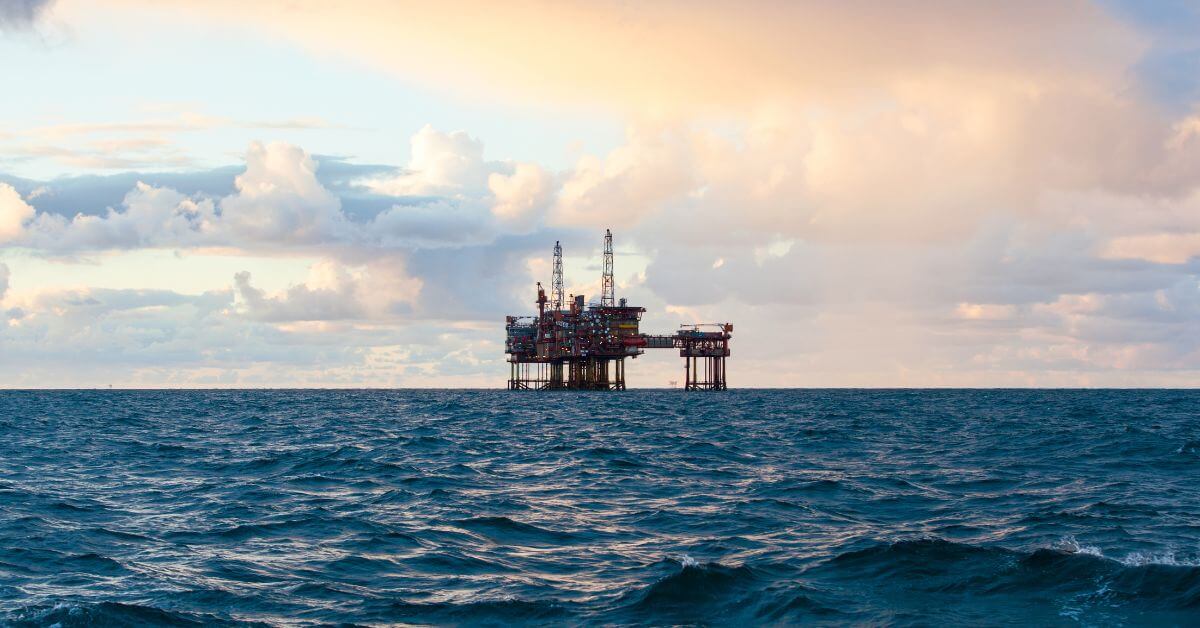
The Romanian Coast Guard detected an unidentified drone in the country's exclusive economic zone near the Neptun Alpha gas platform, prompting a swift response. The incident underscores the fragility of critical maritime infrastructure in the Black Sea. We track these developments because they carry implications for regional security and economic stability. For broader context on the pressure facing the region, our related coverage in "Strikes Target Ports and Vessels in Confirmed Military Action" offers a fuller picture.

Maritime Surveillance Detects and Neutralizes Russian-Designed Drones Near Romanian Gas Hub
A civilian vessel on routine patrol near Romania's exclusive economic zone detected and neutralized Russian-designed drones approaching a critical gas hub. The incident underscores how maritime surveillance remains a frontline defense for energy infrastructure. Precision and readiness defined the response. The threat was identified, contained, and eliminated without escalation. For broader context on regional instability, our coverage of the Vostok Project's Arctic oil exports offers a parallel look at how geopolitical tensions reshape energy routes. Vigilance, not alarm, guides these operations.

Unprecedented Danube Drought Reveals Sunken WWII Nazi Vessels
The Danube's retreat has exposed a fleet of Nazi Germany's Black Sea vessels, deliberately sunk in 1944 as forces withdrew from Romania. This is not merely a ghost from the past; it is a tangible reminder of how conflict reshapes our environment in ways we are only beginning to measure. The wrecks are a physical dataset, waiting for calibrated analysis. For broader context on how such disruptions intersect with modern maritime security, our coverage of strikes targeting ports and vessels offers a relevant parallel.

Black Sea Incident: Sailor Dies, Two Injured Aboard LPG Tanker
A sailor has died and two Filipino crew members are injured after an incident aboard an LPG tanker in the Black Sea. The two survivors remain in intensive care, listed in stable condition. The human toll of this waterway's instability is measurable, and it is a cost we cannot calibrate away. For broader context on the region's escalating risks, our report, "Strikes Target Ports and Vessels in Confirmed Military Action," details the ongoing threats to commercial shipping.

Shipping Disruption: Maersk Halts Ukraine Port Service Amid Escalating Conflict
Maersk's decision to suspend its Ukraine port service at Chornomorsk marks the second major carrier to step back, following Ukraine's largest grain exporter in halting operations there. The move is a measured response to escalating conflict, not a panic. It reflects a sober calculation: when maritime corridors become contested, reliability erodes. For those tracking the Black Sea's shifting trade routes, this is a signal worth calibrating.

Black Sea Attack Injures Crew, Disrupts LPG Delivery to Ukraine
An attack on an LPG tanker bound for the Ukrainian port of Reni has injured three crew members, adding another layer of risk to already volatile Black Sea shipping lanes. The incident disrupts critical propane deliveries and underscores how maritime commerce remains a direct target in this conflict. Reliable data streams are essential here; without them, assessing threats and protecting seafarers becomes guesswork.

Ukrainian Navy Rescues Seafarers After Strike on Cargo Ship VENTURO
Seventeen Filipino seafarers are safe tonight because Ukrainian Navy crews moved swiftly after a Russian strike disabled the cargo ship VENTURO off Odesa. One life was lost in the attack, a sobering reminder of the human cost shadowing these waters. The rescue itself demonstrates real operational discipline under pressure. For those tracking the broader pattern of aggression against commercial shipping, our related report, "Strikes Target Ports and Vessels in Confirmed Military Action," provides essential context. This incident underscores why protecting maritime corridors demands constant vigilance.