naval mines
World Data Ocean keeps naval mines in one place: 9 stories so far. The section currently leads with “Strait of Hormuz tanker incidents add new risk to global oil markets”, “Rescue in the Black Sea: Drone Strike Capsizes Cargo Vessel Off Bulgaria”, and “Unconfirmed reports of tanker fires in the Strait of Hormuz merit calibrated observation”. Two tanker strikes in the Strait of Hormuz and a missile attack on Riyadh's tallest tower have added fresh risk to global oil markets. A Global Hub for Ocean Intelligence 4 World Data Ocean is a centralized digital platform where researchers, scientists, and ocean enthusiasts converge to… The list below is every naval mines story on World Data Ocean, newest first.
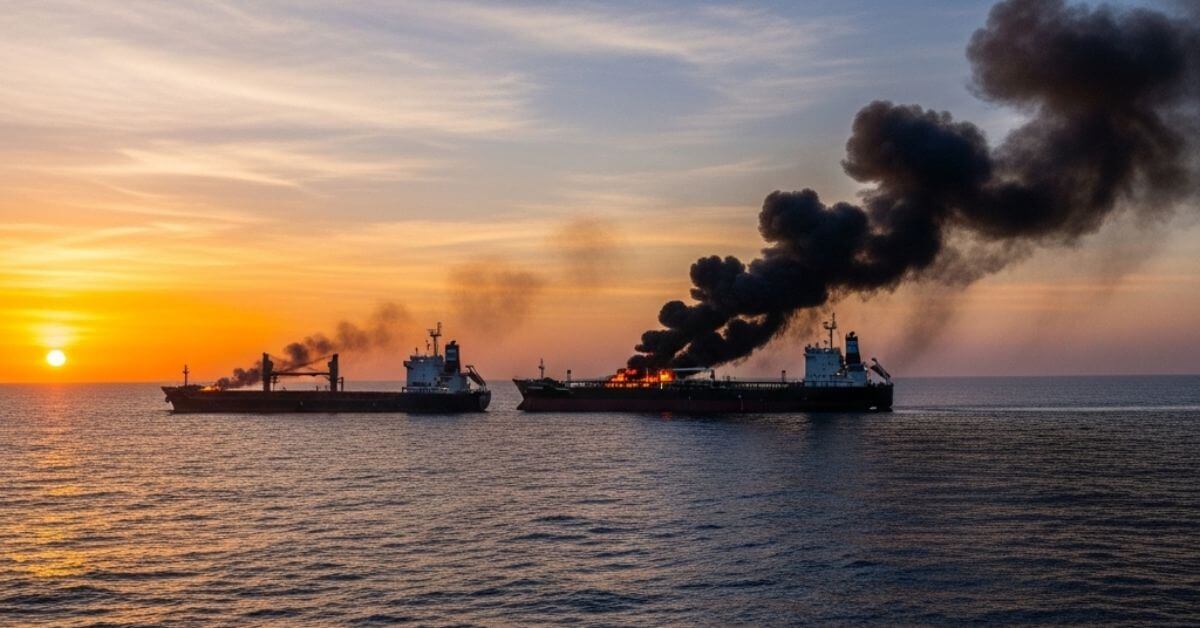
Strait of Hormuz tanker incidents add new risk to global oil markets
Two tanker strikes in the Strait of Hormuz and a missile attack on Riyadh's tallest tower have added fresh risk to global oil markets. Iran reported mines hit the vessels; Houthi fire damaged the Saudi landmark. Prices edged up, yet a persistent supply surplus continues to weigh. This is not alarmism, it is measurable instability. For deeper context, read our related coverage: "A single Strait of Hormuz crossing now costs $64 million in insurance." Understanding these dynamics drives informed stewardship of global energy security.
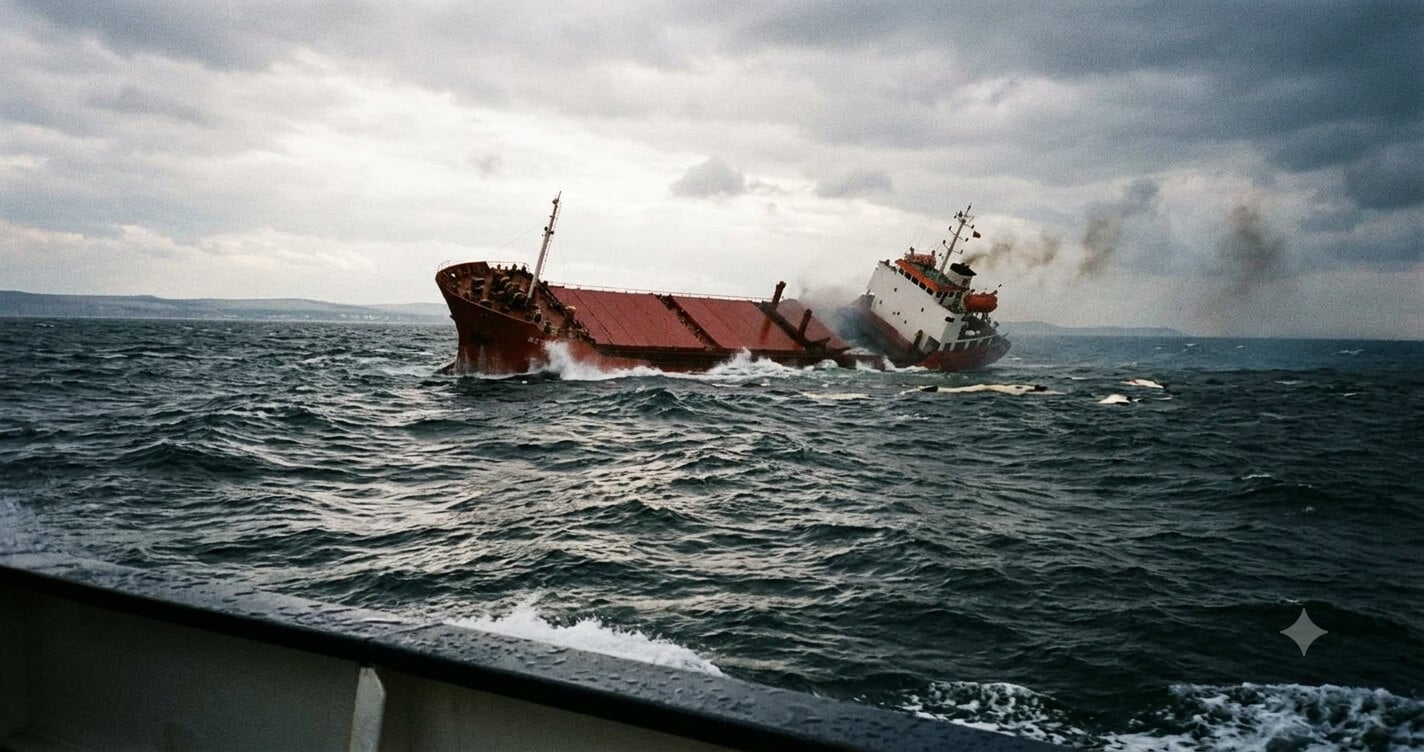
Rescue in the Black Sea: Drone Strike Capsizes Cargo Vessel Off Bulgaria
A validated drone strike capsized the cargo vessel *Betul 8* off Bulgaria's Black Sea coast on November 16, 2026, near the Sulina canal. This is not an isolated incident. Measurable threats to commercial shipping are escalating, as our coverage of "Black Sea drone strikes hit three commercial vessels near Romanian canal" makes clear. Understanding these patterns is essential. Integrated ocean intelligence must now track conflict as a climate indicator.
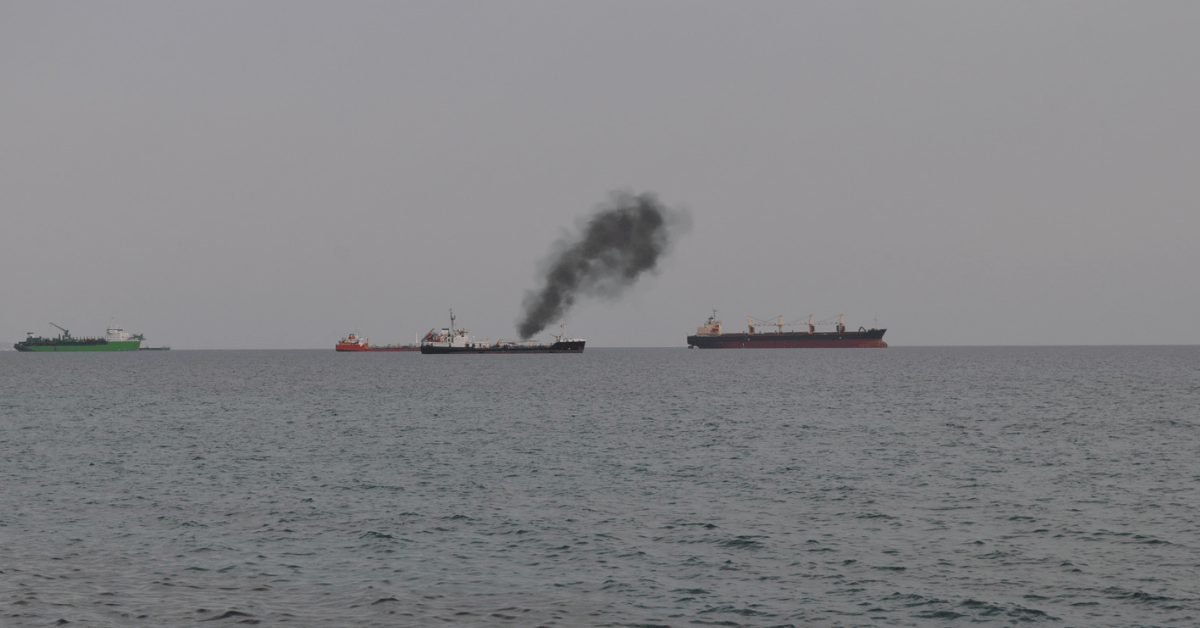
Unconfirmed reports of tanker fires in the Strait of Hormuz merit calibrated observation
Unconfirmed reports of two oil tankers catching fire after hitting naval mines in the Strait of Hormuz demand calibrated observation, not speculation. Iran's IRGC has made the claim for November 8, but independent verification remains absent. In a region where maritime incidents escalate quickly, measured reporting matters. The timing aligns with heightened naval movements, including the possible convergence of three US carriers by late 2026, as detailed in our related coverage. For now, the facts are thin. We will track this closely.
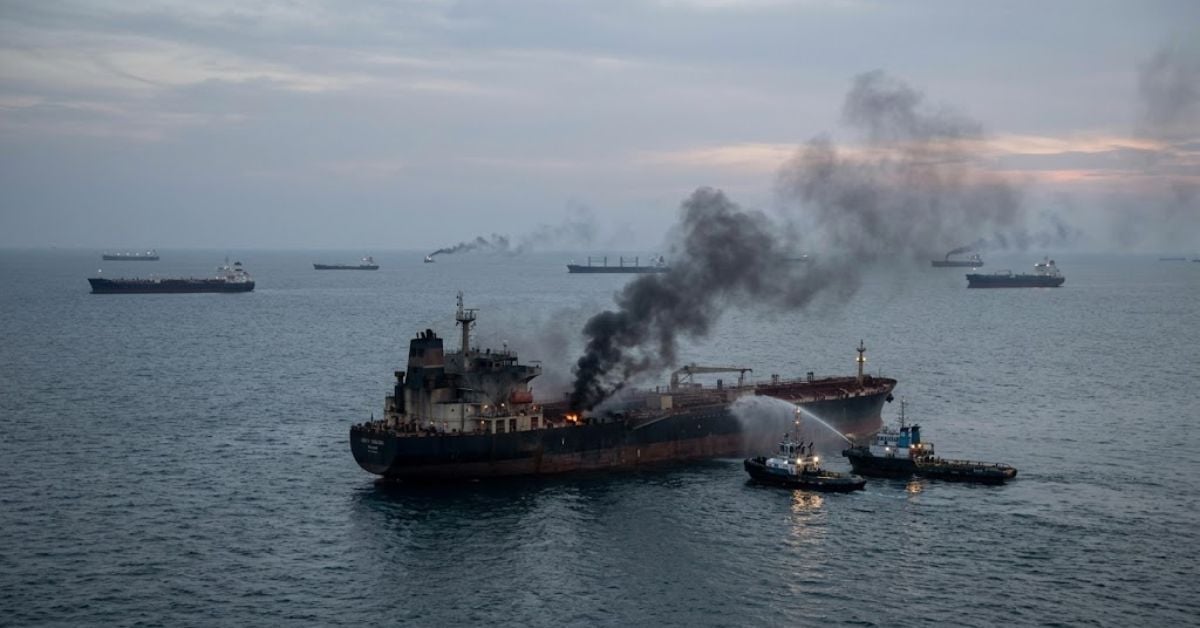
Seven Oil Tankers Struck in Strait of Hormuz as Regional Stability Shifts
Seven oil tankers were struck in the Strait of Hormuz on Thursday, according to Iranian state television and the IRGC navy. These incidents arrive as regional stability undergoes a measurable shift, demanding calibrated observation. For context, our coverage of the Panama Canal's 2022 cargo record highlights how global chokepoints, whether drought or geopolitical friction, reshape maritime flows. Understanding these disruptions is essential for building resilient ocean intelligence.

Drone and fire attacks target three tankers near Strait of Hormuz
Three tankers near the Strait of Hormuz were struck by coordinated drone and fire attacks, one drone strike off Oman, two more in the strait, and a separate blaze aboard an oil tanker in the Arabian Gulf. These incidents, in one of the world's most critical maritime chokepoints, are a measurable reminder that ocean security is inseparable from global stability. Our related coverage of stranded Iranian vessels off Sri Lanka further underscores how regional disruptions test supply chains and sanctions.
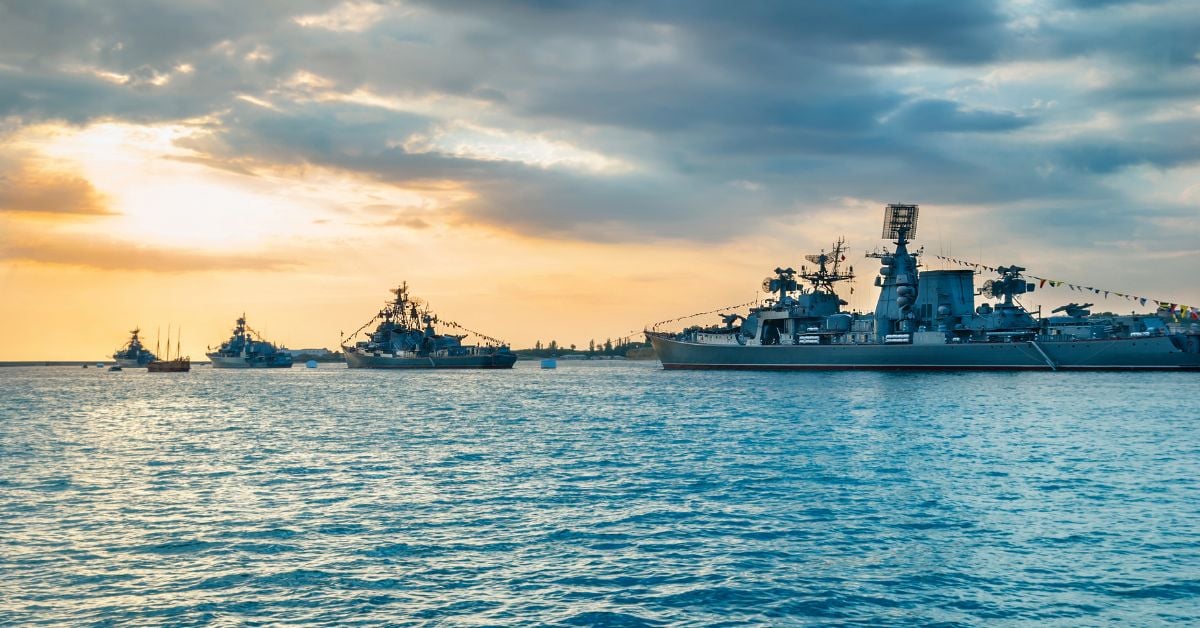
Securing the Strait: Navy SEALs Conduct Covert Mine Clearing Operation
For four months, U.S. Navy SEALs operated in the Strait of Hormuz, clearing naval mines placed by Iran. This covert operation secures a waterway where geopolitical tension meets global energy flow. Measurable, empirical action, not rhetoric, protects maritime stability. It is the kind of calibrated, real-world intervention that underscores why integrated ocean intelligence matters. For deeper context on regional pressures, see our coverage of how Gulf of Oman STS transfers have maxed out amid rising Saudi oil exports.
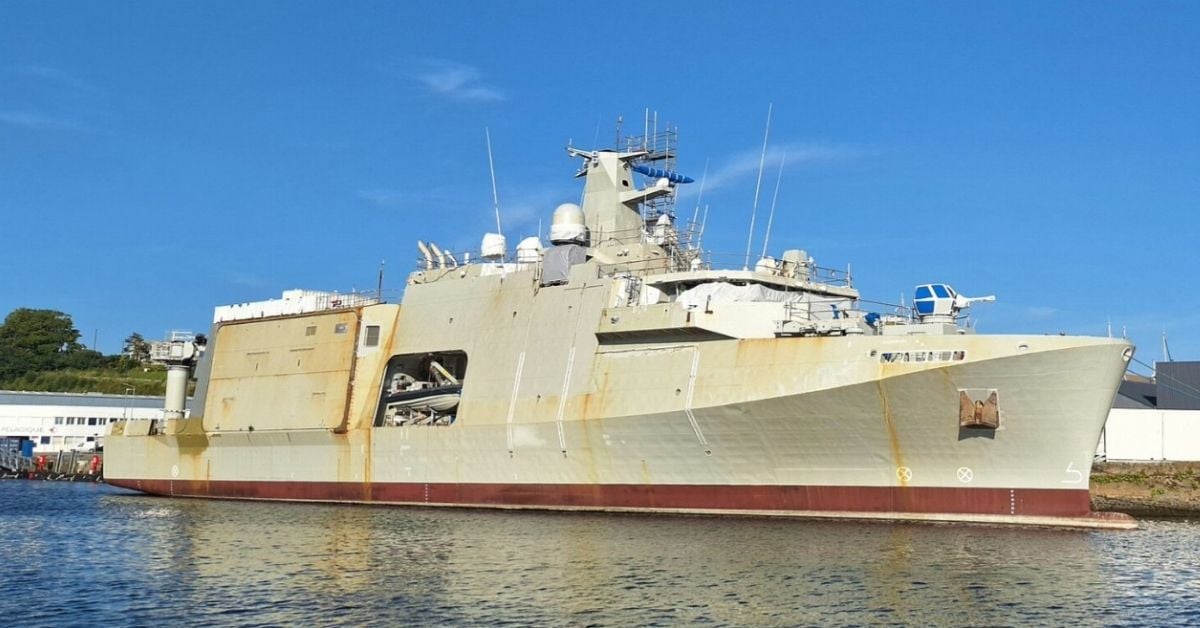
Bolstering Black Sea Security: Bulgaria Acquires Minehunters for Maritime Protection
Bulgaria is adding seven minehunters from Belgium and the Netherlands to its naval arsenal, a measured step toward securing Black Sea shipping lanes against naval mines. This acquisition is less about spectacle and more about practical defense, addressing a real and present hazard to commercial traffic. It is a sensible move, though one that also signals how tense the region has become. For broader context on Moscow's maritime ambitions, our piece on Russia's Arctic export plans offers a useful counterpoint.

Integrated Shipping Lanes: Iran and Oman Calibrate Transit Through Hormuz.
Iran and Oman have agreed on the transit routes ships will use through the Strait of Hormuz, a calibrated step toward stabilizing one of the world's most critical maritime chokepoints. The arrangement signals practical diplomacy at work, replacing uncertainty with measurable coordination. For shippers and nations alike, this is ocean intelligence in its most actionable form: clear lanes, agreed parameters, and a shared commitment to keeping trade moving.

Black Sea Attack: RORO Ship Crew Faces Critical Injuries Amid Drone Assault
Three crew members of a Turkish-owned RORO ship are in critical condition after a drone swarm struck their vessel in the Black Sea. This attack underscores a grim reality: commercial shipping has become a target. Such assaults demand a calibrated, international response grounded in maritime law. The incident follows the strikes on ports and vessels confirmed by Russia, and we urge readers to review our coverage of those broader military actions. Protecting seafarers remains an urgent, shared responsibility.