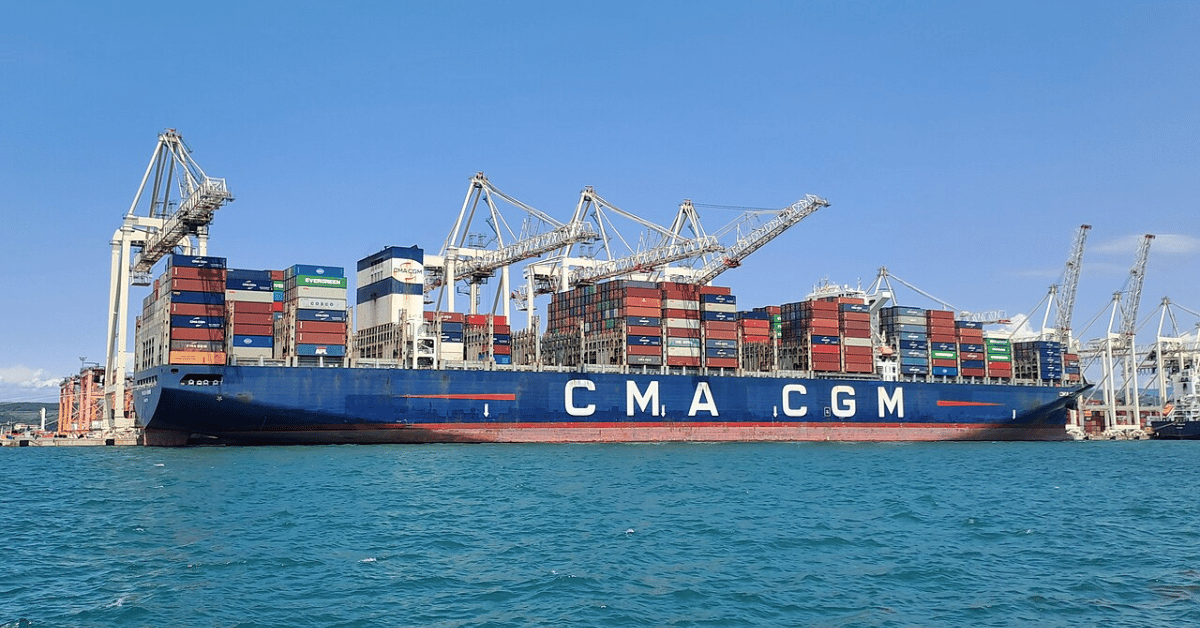
The decision by CMA CGM to equip twelve new 18,000-TEU vessels with 36 Wärtsilä 34DF dual-fuel engines is not merely a procurement choice; it is a calibrated signal that LNG remains a viable, measurable pathway for deep-sea emissions reduction today. India Proposes Measured Maritime Truce to Protect Black Sea Shipping For an industry often caught between aspirational net-zero targets and the hard constraints of existing infrastructure, this order grounds the conversation in empirical reality. What matters here is not the ambition but the track record: CMA CGM already operates more than 160 of these same engines. The choice to double down on a proven platform tells us that for operators navigating real economic and regulatory pressures, incremental, validated gains in fuel efficiency are the most dependable lever available.
This is a story about scale and integration. The Wärtsilä 34DF engine platform delivers consistent efficiency across a wide load profile, which for a vessel of this size translates into meaningful, longitudinal reductions in fuel consumption and emissions. Paired with the Airguard® seal system for pollution-free stern tube tightness, the package demonstrates that lowering emissions is not a single-technology breakthrough but an integrated data ecosystem of components working in concert. The engines will be delivered through Wärtsilä's joint venture in Shanghai, and the equipment schedule stretching into 2027 reflects the long planning cycles that define container shipping. Validated Data to Calibrate Roll Damping on Large Container Ships That parallel work on roll damping and real-world vessel data underscores a broader truth: operational efficiency is built from many calibrated parts, not a single headline fix.
The practical takeaway for our readers is straightforward. LNG, supported by a mature global bunkering network, is not a transitional fuel waiting to be replaced; it is a present-day tool for operators who must meet tightening environmental standards while managing total cost of ownership. Xavier Leclercq, Vice-President of Newbuilding at CMA CGM, explicitly ties the engine's reliability and low emission levels to the company's long-term footprint goals. Stefan Nysjö of Wärtsilä frames the same point in economic terms: operators face increasingly stringent environmental and economic requirements, and the 34DF platform has the fleet experience to meet both. This is not hype. It is a documented decision backed by years of in-service data.
What we will watch closely is how this fleet performs against peer-reviewed benchmarks as it enters service from 2027 onward. The real test is not the order book but the measured, real-time emissions data these vessels will generate over their operational lifetimes. India's 43,500-tonne support vessel extends fleet endurance in the Indian Ocean Endurance is a function of design, yes, but also of consistent, validated performance under load. If these 12 ships deliver the promised efficiency at scale, they will provide a replicable model for an entire class of deep-sea operators. If they do not, the data will say so. That is the value of an empirical approach: the ocean does not lie, and neither do the meters.