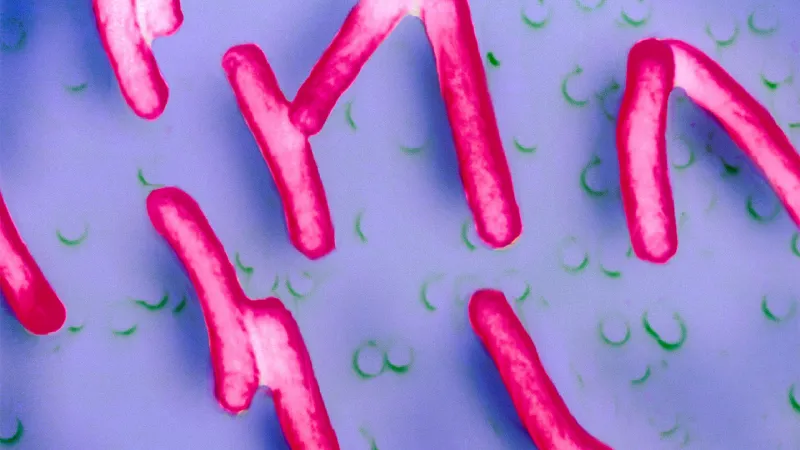
The promise of a validated oral vaccine against Shigella is not merely a clinical milestone; it is a quiet but significant advance in how we approach global health resilience. With roughly 450,000 U.S. infections each year, the burden of this pathogen is often underestimated, yet the experimental vaccine's success in protecting adults during a small human trial offers a tangible, peer-reviewed step forward. This is not about dramatic breakthroughs or flashy technology; it is about the slow, calibrated work of turning empirical data into practical protection. We see this as a reminder that the most meaningful innovations are often those that integrate seamlessly into existing public health frameworks, much like how Strait of Hormuz Reopening Contingent on U.S. Actions, Iran States reflects the delicate calibration of geopolitical strategy, where every measured action carries weight. In both cases, the underlying principle is the same: validated, deliberate steps yield outcomes that reactive measures cannot match.
For our readers, this news carries practical weight beyond the lab. A vaccine that can be administered orally, rather than via injection, has the potential to shift how we approach sanitation-linked diseases in both developed and resource-limited settings. It is not hyperbole to say that this could reduce the strain on healthcare systems, but we must be clear: the trial involved adults, and the path to broad deployment remains long. We would tell a reader who asks that the real takeaway is the methodology, the insistence on measurable, longitudinal data that confirms efficacy before we celebrate. This is the same discipline we see in Enhanced Monitoring: China Expands Djibouti Base Near Key Shipping Lanes, where satellite-verified actions, not promises, drive our understanding of strategic intent. Just as that reporting relies on observable evidence, this vaccine's promise rests on controlled, repeatable results.
What we find most encouraging is not the vaccine itself, but what it represents: a commitment to preventable disease that does not rely on alarmist narratives. The ocean of global health is vast, and Shigella is a current that many ignore until it pulls them under. We are not saying this vaccine is a cure-all, nor that it replaces the need for clean water and sanitation. But it is a calibrated tool, one that could be integrated into routine care without the logistical hurdles of cold chains or trained injectors. This is the kind of practical innovation that aligns with our belief in measurable impact over hype. The question now is not whether the vaccine works, but how quickly the next phases can replicate these results in larger, more diverse populations. We would advise caution against assuming the finish line is near, but we also urge our readers to see the value in this validation. The specific detail to watch is whether subsequent trials include children, who bear a disproportionate share of the global disease burden. That will be the true test of this vaccine's real-world relevance, and it is the metric we will be tracking.