TEUs
World Data Ocean keeps TEUs in one place: 5 stories so far. The section currently leads with “U.S. Ports See Continued Strength with 1.88M TEUs Moved in August”, “Shipping Giant Pauses Bookings at Russian Port Following Vessel Attack”, and “Record Container Volume Signals Continued Growth at Port of Los Angeles”. August's throughput of 1.88 million TEUs marks a 2% gain over last year, landing the port its fifth-busiest month in 115 years. The MSC Ulsan III, a Panama-flagged vessel built in 2004, now sits at the center of a commercial pause. A Global Hub for Ocean Intelligence 4 World Data Ocean is a centralized digital platform where researchers, scientists, and ocean enthusiasts converge to… The list below is every TEUs story on World Data Ocean, newest first.
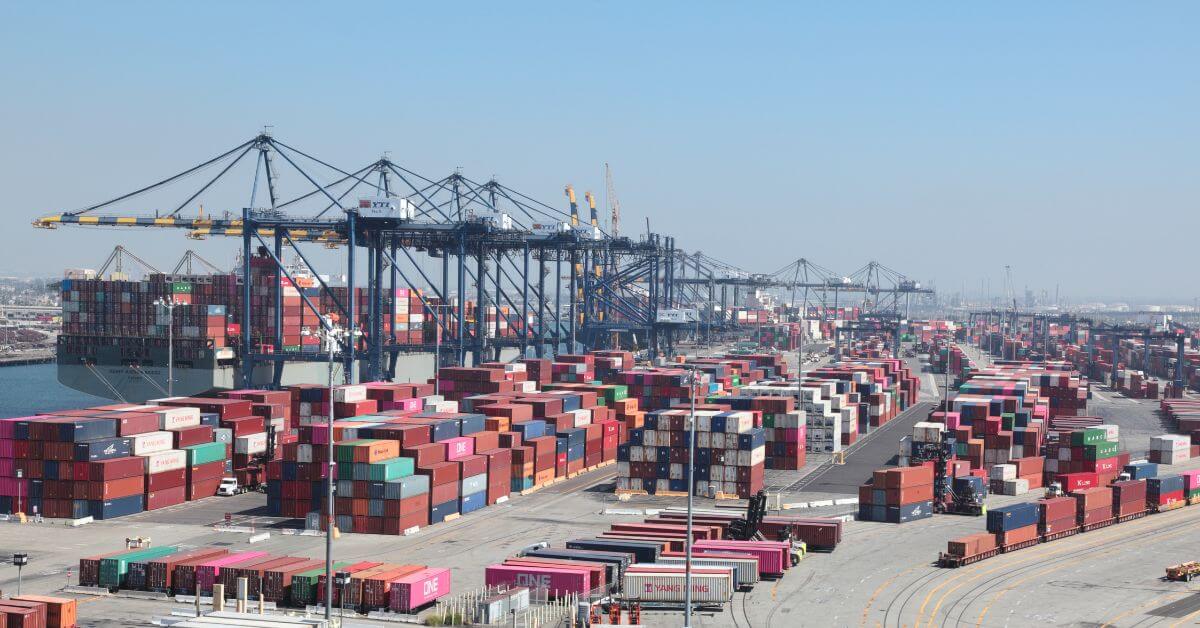
U.S. Ports See Continued Strength with 1.88M TEUs Moved in August
August's throughput of 1.88 million TEUs marks a 2% gain over last year, landing the port its fifth-busiest month in 115 years. Consistency like this signals more than resilience; it reflects a data-driven logistics ecosystem operating at scale. Sustained volume at this level supports broader ocean intelligence efforts, from cargo tracking to climate monitoring. For context on how maritime security intersects with these operations, our coverage of Maritime Interdictions Yield 25,000 Pounds of Cocaine underscores the layered realities of ocean stewardship.
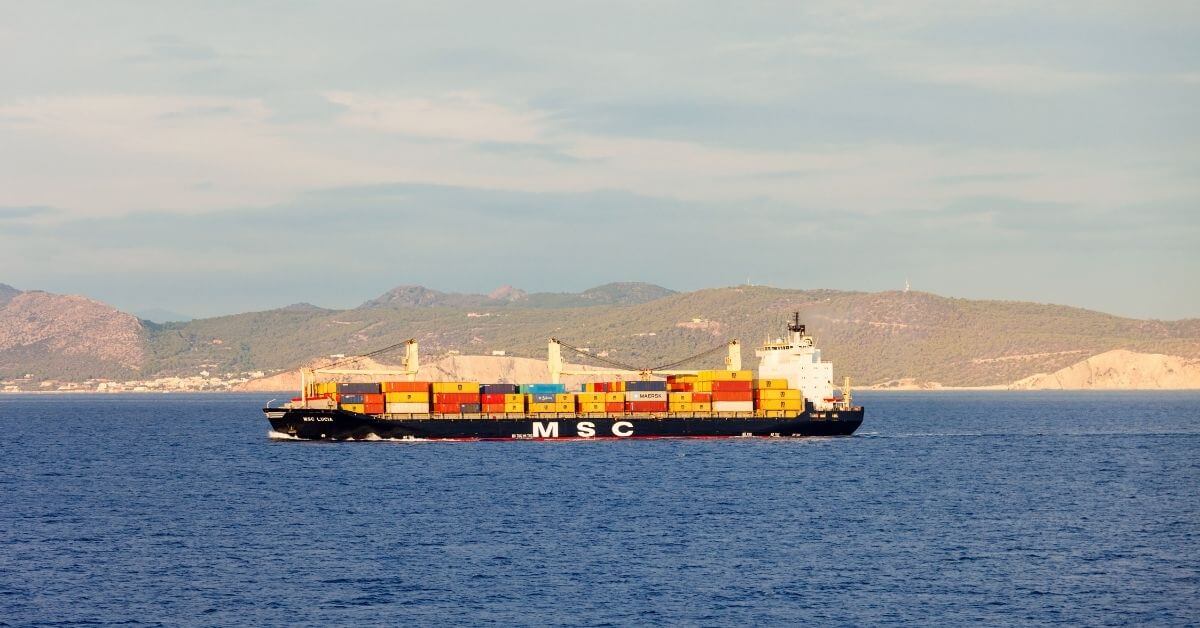
Shipping Giant Pauses Bookings at Russian Port Following Vessel Attack
The MSC Ulsan III, a Panama-flagged vessel built in 2004, now sits at the center of a commercial pause. Shipping Giant has halted bookings at Russian ports following the attack on the ship, a decisive move that prioritizes operational safety over market reach. The vessel's capacity of roughly 2,700 TEUs underscores the logistical weight behind this decision. It is a measured response to a volatile situation, reinforcing that maritime security is non-negotiable.

Record Container Volume Signals Continued Growth at Port of Los Angeles
The Port of Los Angeles moved more than 1 million TEUs in June, its busiest June in 118 years. That is not a rounding error; it is a calibrated signal. Record container volume reflects sustained demand and operational resilience, even as global supply chains recalibrate. We track these numbers because they are measurable indicators of economic momentum, not abstract figures. For broader maritime context, our coverage of Paradip Port's designation as a Mega Port complements this picture of expanding trade infrastructure.

Automated Mooring System Enhances Safety and Efficiency at Mumbai Port
At Mumbai Port, the introduction of an automated mooring system marks a practical step forward in reducing workplace risk. By removing the need for dockworkers to handle hazardous mooring lines, this technology directly addresses a persistent safety challenge. It is a measured, evidence-based improvement that prioritizes human well-being without overstating its impact. Operations become more efficient when the human error factor is minimized. For those tracking port modernization, this complements the operational coordination insights explored in our piece on container terminal efficiency.

Arctic Shipping Route Emerges as Climate-Driven Alternative.
A scheduled Arctic route now links Ningbo to Felixstowe, with Sea Legend running the weekly service. This is not a distant proposal; it is a working commercial response to receding ice and shifting trade realities. The passage shortens transit times, yet it also demands calibrated investment in icebreaker support and polar infrastructure. Climate change is redrawing maritime maps, and carriers are adapting. For context on how nations are financing these northern lanes, see our coverage of Russia's icebreaker export revenue plans.