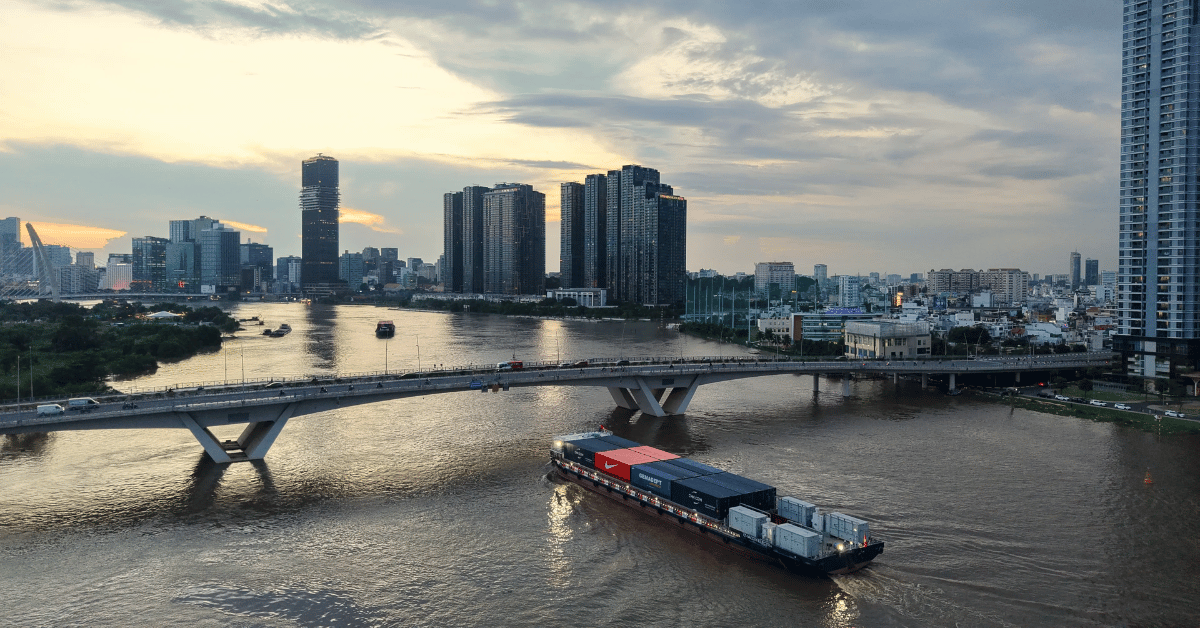
The electrification of a single barge in Vietnam is not just a logistics upgrade; it is a validated proof point for integrated, low-carbon supply chains. By avoiding 778 tonnes of CO₂ annually on a 180-kilometer round trip, the collaboration between CMA CGM, Nike, and Gemadept demonstrates that measurable emissions reductions are achievable today using available technology. For our readers, whether they are supply chain managers, policymakers, or maritime analysts, this project offers a calibrated template for how to move from ambition to execution.
What makes this more than a pilot is the systems-level thinking. The barge is not an isolated vessel; it is part of an integrated data ecosystem that pairs CATL battery technology with dedicated charging infrastructure and a solar farm at Gemalink. This approach mirrors the kind of empirical, end-to-end planning we see in other regions. For example, India's ₹10,000 Crore Plan Calibrates Domestic Container Production for Maritime Resilience, a strategy that seeks to build self-sufficiency through targeted manufacturing incentives. Both projects recognize that decarbonization requires rethinking the physical and energy architecture of transport, not just swapping fuel types. The difference here is that Vietnam's model is already live, moving more than 50,000 TEUs annually and proving that inland waterways can absorb cargo from trucks without sacrificing reliability. The open question for other markets is whether the same integrated model, combining electric vessels, on-site renewables, and long-term customer commitments, can be replicated at scale.
The partnership structure is equally instructive. Nike's Chief Sustainability Officer framed the project as a result of "new ideas, strong partnerships and a willingness to rethink how we operate." That is not marketing language; it is a practical admission that supply chain decarbonization cannot be achieved in isolation. The barge connects Nike's inland drop-off location in Ho Chi Minh City with Gemadept's deep-sea terminal at Cai Mep, creating a low-emission corridor that relies on each partner executing its role. This is the kind of validated, collaborative framework that can be adapted to other geographies, much like the validated maritime agreements steering India toward 2047 hub status, where diplomatic coordination underpins infrastructure development. The specific takeaway here is that replicability depends on three conditions: a willing customer with a high-volume corridor, a terminal operator ready to host charging infrastructure, and a shipping line that can integrate the vessel into its existing network. Where those conditions align, the model can scale.
One detail to watch is the four-hour recharge time using certified renewable electricity. That constraint defines the operational rhythm of the barge and will determine whether the solution can be tightened to handle more frequent rotations or longer distances. If CMA CGM and its partners can reduce charging time or increase battery density, the economic and environmental case strengthens further. For now, the project stands as a concrete example of what happens when empirical planning replaces aspirational targets. The ocean intelligence gained from this deployment, real-world data on energy use, cargo flow, and emissions, will inform the next generation of inland waterway solutions. That is the point: not a single barge, but a calibrated, replicable system.