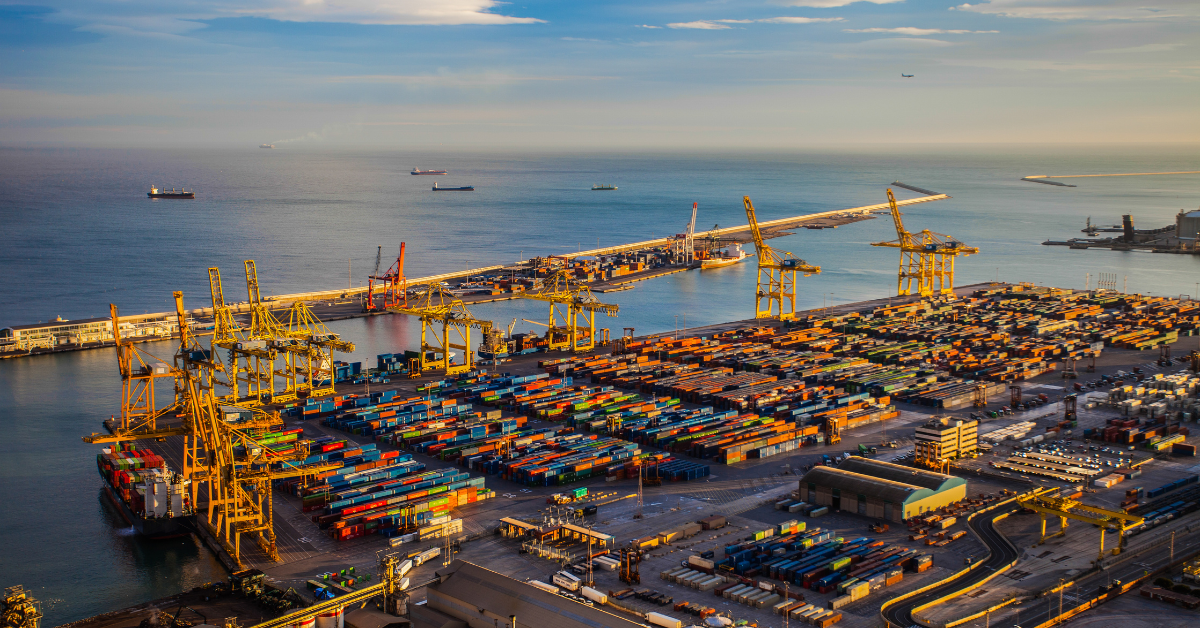
India's ₹10,000 crore Container Manufacturing Promotion Scheme (CMPS) is a calibrated, long-overdue step toward maritime resilience, and we see it as a strategic bet on measurable self-reliance rather than a symbolic gesture. By targeting a ten-fold increase in annual domestic container production to 7.5 lakh TEUs, the government is directly addressing a vulnerability that has quietly constrained supply chains for years: near-total dependence on imported shipping containers. This matters because container availability is a real-time climate indicator for trade; when global disruptions hit, import-dependent nations feel the squeeze first.
The scheme's 13-year horizon and integrated support for ancillary industries, specialised steel, wooden frames, corner castings, paints, show an understanding that manufacturing capacity is not built overnight. The 3 per cent interest subvention on term loans and the Rs 150 crore outlay for testing infrastructure, including dynamic longitudinal impact testing, are practical tools to lower entry barriers. This aligns with the broader push we have observed in Validated maritime agreements steer India toward 2047 hub status, where diplomatic and industrial signals are converging on a long-term vision. India's first ISO- and CSC-certified export container for Maersk, and the subsequent order for 1,000 units with DCM Shriram, are not isolated milestones; they are empirical proof that the domestic product can meet global standards.
What stands out is the scheme's operational expenditure assistance of Rs 8,891 crore for containers sold to global shipping lines. That is a direct, measurable incentive to compete on quality and volume, not just on price. It also creates a feedback loop: as more Indian-made containers enter global fleets, the data on performance, durability, and logistics integration becomes a validated asset for future design improvements. The projected 3,000 direct jobs and 50,000 indirect jobs are significant, but the real multiplier effect lies in building a skilled workforce that can sustain this capacity beyond the scheme's duration. This connects to the career pathways explored in From Mangroves to the Thames: Navigating a UK Marine Biology Career, where individual expertise becomes part of a larger maritime knowledge ecosystem.
The question we are left with is not whether India can manufacture containers, that is now proven, but whether the pace of port infrastructure development can keep up. With projects at Galathea Bay, Vadhavan, Tuna Tekra, and V.O. Chidambaranar Port underway, the integrated data ecosystem of port-to-container logistics will determine whether this capacity translates into reduced turnaround times and lower logistics costs. The specific detail to watch is the adoption rate of Indian-made containers by global carriers after the first two years of the scheme; that will be the real-world calibration of whether the investment has achieved its purpose.