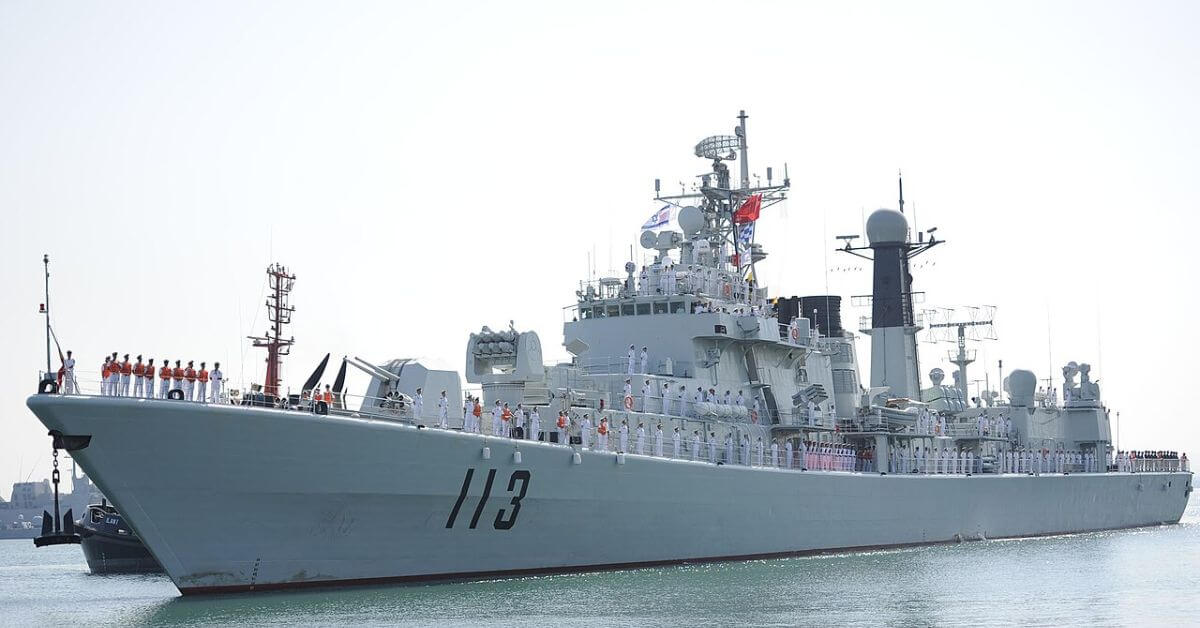
The report that an AI calibration system reduced simulated weapons-use risk in maritime disputes from 0.3 percent to zero is the kind of quiet, technical win that deserves attention. The finding is not about flashy autonomy or science fiction. It is about a measurable improvement in a high-stakes decision loop. The researchers describe a system that helps commanders choose less forceful options, water cannons instead of lethal weapons. That is a concrete step toward de-escalation, and we should treat it as such.
What makes this notable is not the promise of perfect machines, but the calibration itself. We have seen too many systems pitched as solutions to human error, only to introduce new failure modes. Here, the emphasis is on reducing risk, not eliminating human judgment. That is the right framing. The AI is not replacing the commander; it is refining the options. It is worth comparing this to the work on AI Reasoning Explored: Novel Model Omits Words to Reduce Computation, where the goal is efficiency in reasoning. Both projects share a core instinct: make the machine's process more precise, and the outcome becomes more trustworthy. In the maritime case, that precision translates directly into lives saved and conflicts avoided.
For our readers, the practical meaning is clear. This is not an abstract research footnote. It is a signal that the integration of AI into operational environments is maturing. The same logic that drives Real-Time Ocean Simulations Advance Understanding Through Integrated Modeling applies here: better data, better models, better decisions. And the connection to Enhanced Monitoring: China Expands Djibouti Base Near Key Shipping Lanes is not incidental. As naval assets proliferate and monitoring intensifies, the margin for error shrinks. Tools that lower the probability of miscalculation are not optional; they are becoming operational necessities.
Our take is straightforward. We would tell a reader who asked about this that the 0.3 percent figure is the number to watch. It is small, but it is not trivial. It represents a real chance, in a real scenario, where a commander might have escalated. The fact that calibration can move that number to zero in simulation is a validation of the approach, but it also raises an open question: how will this hold up in the noise of actual conditions, where data is messier and stakes are higher? The specific consequence to watch is whether this kind of system moves from simulation to deployment, and whether the calibration holds under stress. That is the test that matters.