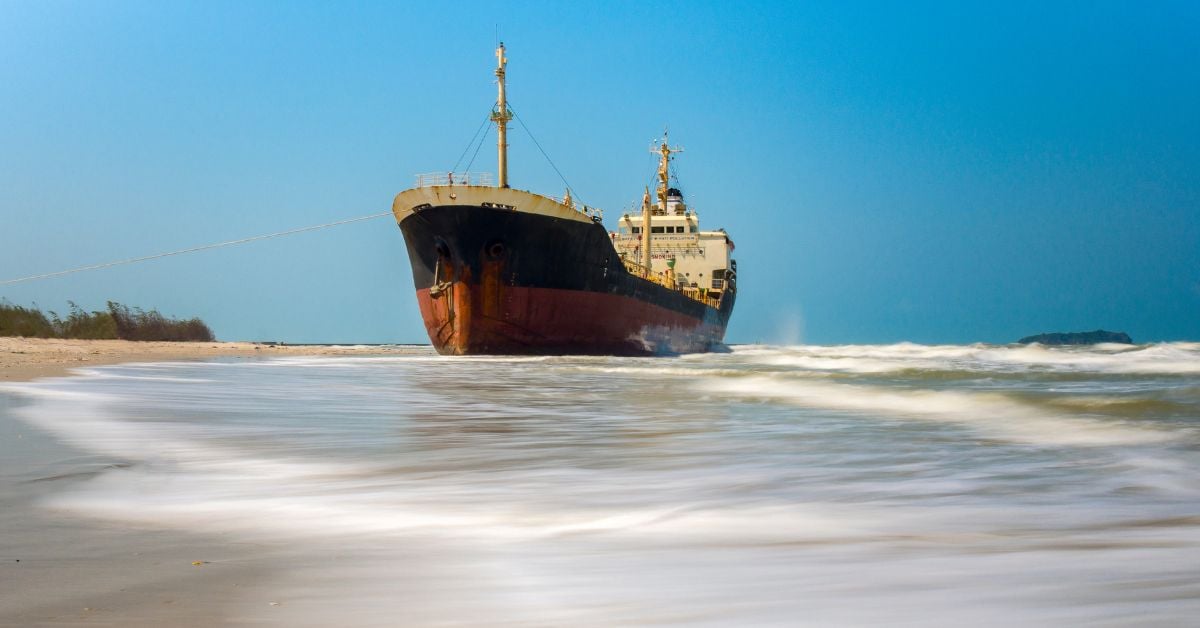
Four deaths off Manori are not a maritime accident. They are the predictable outcome of unregulated vessel access in a system that treats stranded ships as ungoverned assets. The thieves who drowned while stripping copper pipes from an unmanned tanker represent a symptom, not a cause. What demands our attention is the broader failure: a grounded vessel sat accessible and unmonitored, its materials ripe for salvage by anyone willing to risk the hull. This is not an isolated case. A Mercedes-Benz Cargo Vessel Grounded in Düsseldorf Harbour Disrupts Rotterdam Route and a Tragedy on Lake Tanganyika: 41 Dead in Congolese Vessel Sinking each underscore the same reality: when vessels are left unattended or inadequately tracked, risk cascades from crew safety to public danger to environmental harm.
Our position is plain: the maritime industry cannot treat groundings as administrative inconveniences. Every unmanned, stranded vessel is a hazard vector. In Manori, the hazard claimed four lives who should never have been near that tanker. Their intent was criminal, but their access was enabled by a gap in operational oversight. We do not need more security guards. We need integrated, real-time vessel monitoring that flags grounding events immediately and triggers a calibrated response chain, from coast guard notification to site lockdown to salvage planning. The Coast Guard Response Validates Real-Time Rescue Coordination Off Odisha demonstrates that coordinated, data-driven intervention works. That same logic must apply to stranded assets, not only to crews in distress.
The practical consequence for our readers is clear: unregulated access is not a local policing problem. It is a systems failure that undermines maritime safety, asset integrity, and environmental protection. Every grounded vessel becomes a de facto salvage site unless the operator maintains continuous situational awareness. We have the tools, satellite tracking, AIS data, port-state coordination, to close these gaps. The question is whether owners and regulators will adopt them as standard practice rather than as post-incident lessons.
Watch the regulatory response to Manori. If authorities treat this as a theft case, the systemic gap remains. If they investigate how an unmanned tanker became a death trap, we may finally see movement toward mandatory real-time monitoring for all grounded vessels. That is the concrete point: a preventable tragedy becomes a catalyst only if we refuse to call it an accident.