radar
11 stories filed under radar on World Data Ocean. The newest of them: “When Communication Fails: Ambiguous VHF Exchange Prevents TSS Collision”, “Autonomous drone navigation validates precision landing without GPS or radar”, and “Iranian Forces Recover Advanced U.S. Unmanned Submarine in Hormuz.”. A bulk carrier and tanker collided in a Traffic Separation Scheme after an ambiguous VHF exchange, poor situational awareness, and inadequate checks before a major course alteration. Precision landing without GPS or radar is no longer theoretical. A Global Hub for Ocean Intelligence 4 World Data Ocean is a centralized digital platform where researchers, scientists, and ocean enthusiasts converge to… The list below is every radar story on World Data Ocean, newest first.
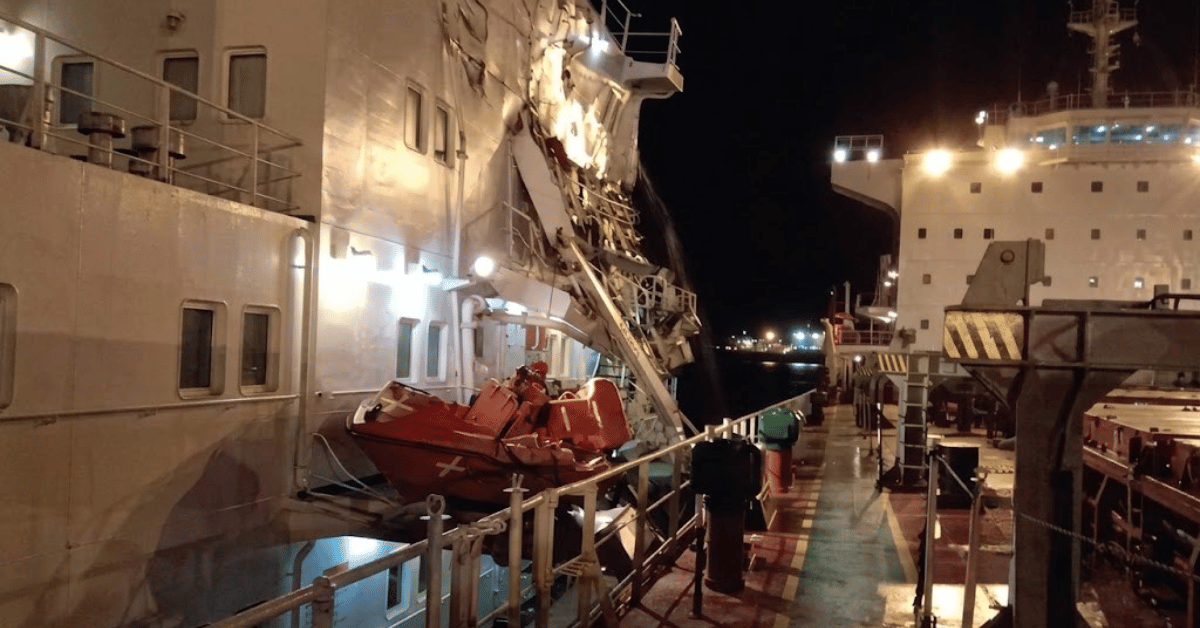
When Communication Fails: Ambiguous VHF Exchange Prevents TSS Collision
A bulk carrier and tanker collided in a Traffic Separation Scheme after an ambiguous VHF exchange, poor situational awareness, and inadequate checks before a major course alteration. When communication fails, the consequences are measurable and immediate. This incident underscores how human factors remain a leading cause of maritime accidents, a theme we explore further in our analysis of quantifying human factors in vessel loss-of-control risk models. Understanding these failures drives better protection at sea.
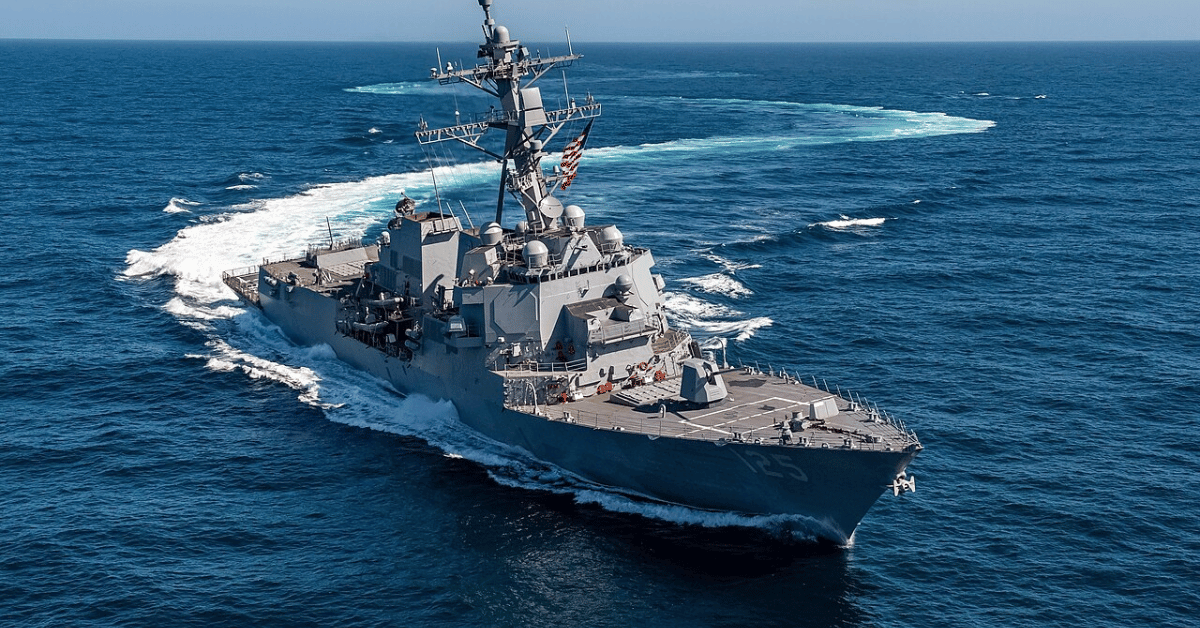
Autonomous drone navigation validates precision landing without GPS or radar
Precision landing without GPS or radar is no longer theoretical. The US Navy has validated autonomous drone navigation that uses onboard cameras and advanced software to land on moving ships. This is calibrated, real-time ocean intelligence in action. For context on why such precision matters in contested waters, read our coverage of the recent Strait of Hormuz posture analysis. Understanding drives protection, and this capability strengthens maritime security without relying on vulnerable satellite signals.
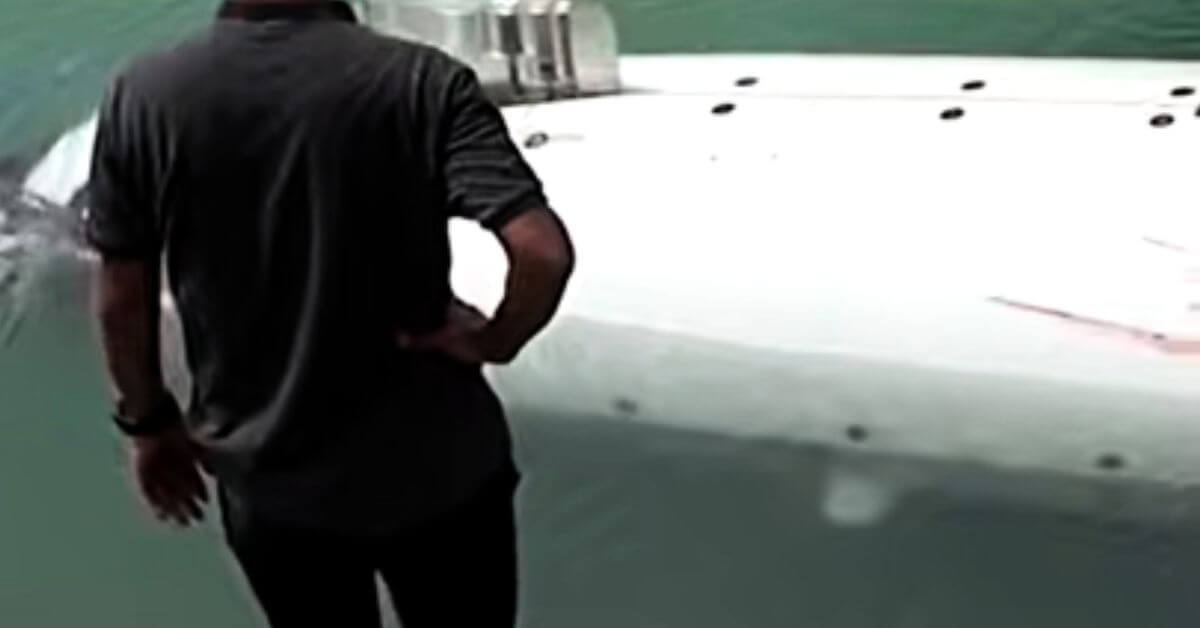
Iranian Forces Recover Advanced U.S. Unmanned Submarine in Hormuz.
Iranian forces have recovered an advanced U.S. unmanned submarine in the Strait of Hormuz, claiming the drone was added to the American fleet in 2025. The IRGC released video footage it says shows the craft. This incident unfolds against a backdrop of heightened maritime tension. For broader context on regional shipping pressures, our coverage of "Phased Negotiations Aim to Ease Restrictions on Strait of Hormuz" examines diplomatic efforts to restore navigation through this critical chokepoint.
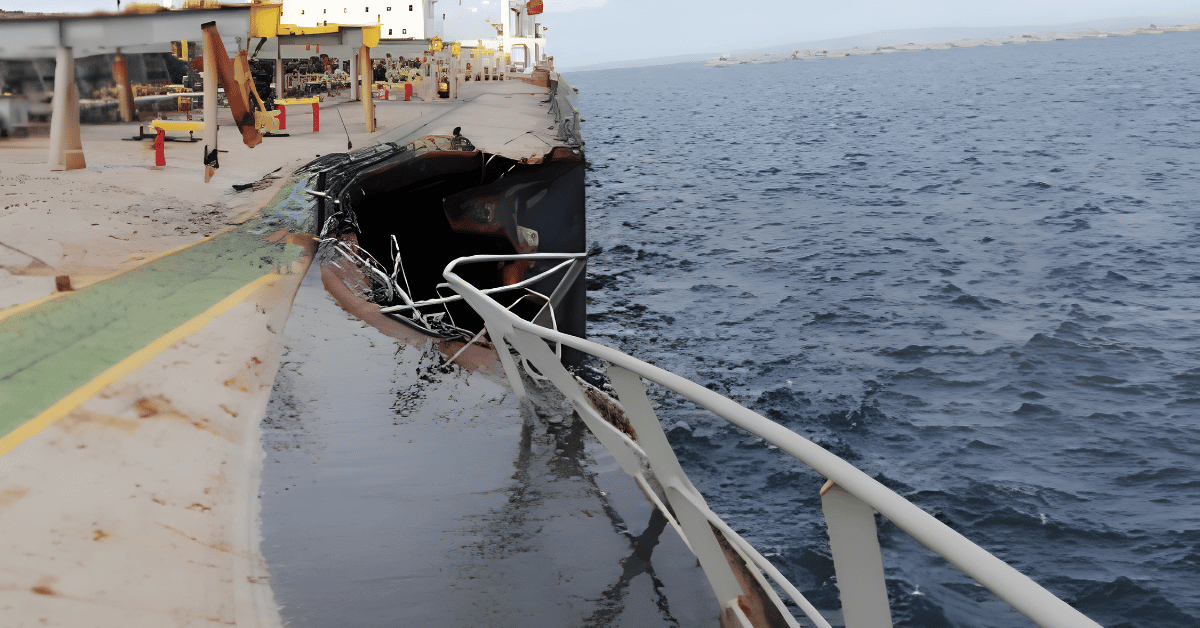
Unmonitored Vessel Contributes to Collision in Dense Fog TSS Area
In dense fog, a bulk carrier collision in a busy TSS reveals a critical gap: an unmonitored vessel went unnoticed. This incident underscores that navigation safety depends on complete situational awareness, not just the traffic that is actively tracked. The loss of oversight in a high-density corridor is a measurable failure of maritime intelligence. For deeper context on how navies and data systems are addressing such gaps, see our related coverage on the "Kiwi Frigate Monitors Sanctions, Enhancing Global Maritime Security Intelligence."
AI Calibration Reduces Risk of Escalation in Maritime Disputes
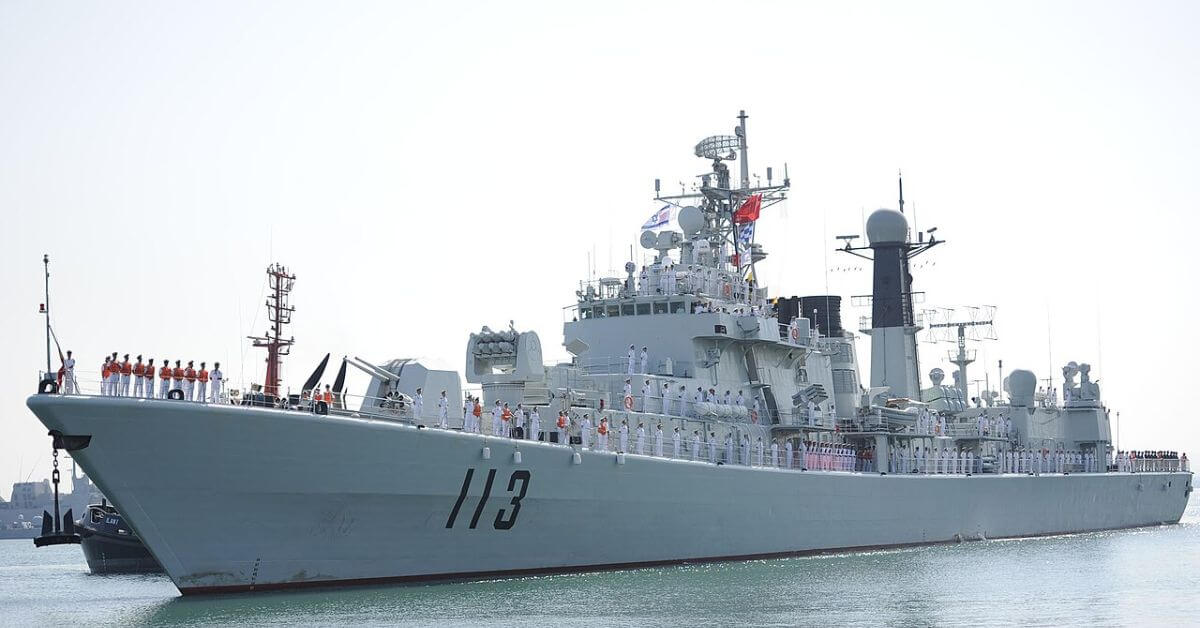
Calibrated AI is now helping maritime commanders weigh responses in real time, with researchers reporting that the system can reduce escalation by suggesting less forceful options, like water cannons over lethal weapons. That measured judgment matters in crowded waters where a misstep carries heavy cost. We see this as a practical step toward de-escalation, not a replacement for human oversight. For more on how AI is being refined in this space, our related piece on the Dragon Hatchling model's reasoning trade-offs offers useful context.
Collision in Hakefjord: Investigation Follows Fatal Loss of Life
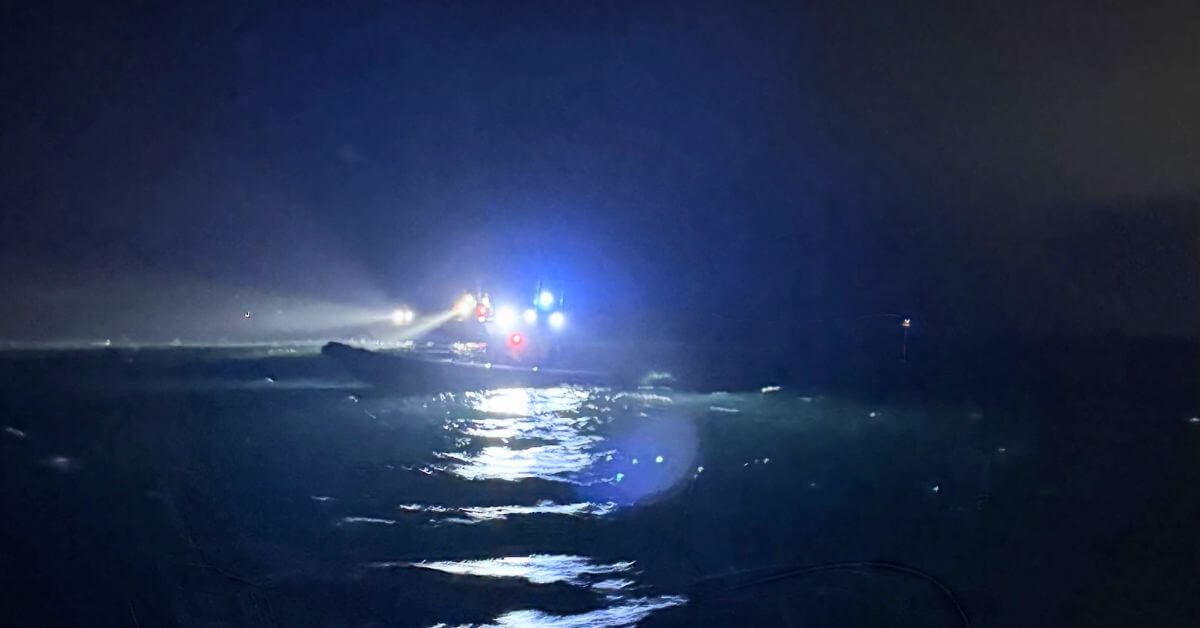
The collision in Hakefjord, where a cargo ship overtook and struck a small pleasure boat, killing a mother and her daughter, demands more than a routine inquiry. This is a devastating reminder that maritime safety depends on vigilance in every encounter, regardless of a vessel's size. The investigation must be rigorous and transparent, as the waters we share leave no room for error. For broader context on recent incidents, our coverage of the bulk carrier grounding near Gladstone offers a parallel look at operational risks.

Indigenous Design Bolsters Indian Navy’s Anti-Submarine Warfare Capabilities
INS Mangrol, with over 80 percent indigenous content, signals a practical stride in India's naval self-reliance. Designed and built by Cochin Shipyard, this anti-submarine warfare vessel proves that domestic capability can meet complex operational demands. We see this as measured progress, not hype. It aligns with the broader push for an expanded fleet, a topic we explore in "India Projects Expanded Naval Fleet to Navigate Evolving Maritime Landscape." Strengthening local design now builds a more resilient maritime future.

Historic Iron Ore Shipwreck, F.J. King, Gains National Recognition
The F.J. King, a historic iron ore shipwreck, has gained national recognition, and the designation is well earned. The vessel was carrying a cargo of iron ore from Escanaba, Michigan, to Chicago when the crew lost control of a leak that spelled the vessel's end. It is a precise, measurable piece of maritime history, a reminder that the lake's waters hold stories of industry and loss.
Navigational Error and Visibility Highlight Situational Awareness Risks at Sea
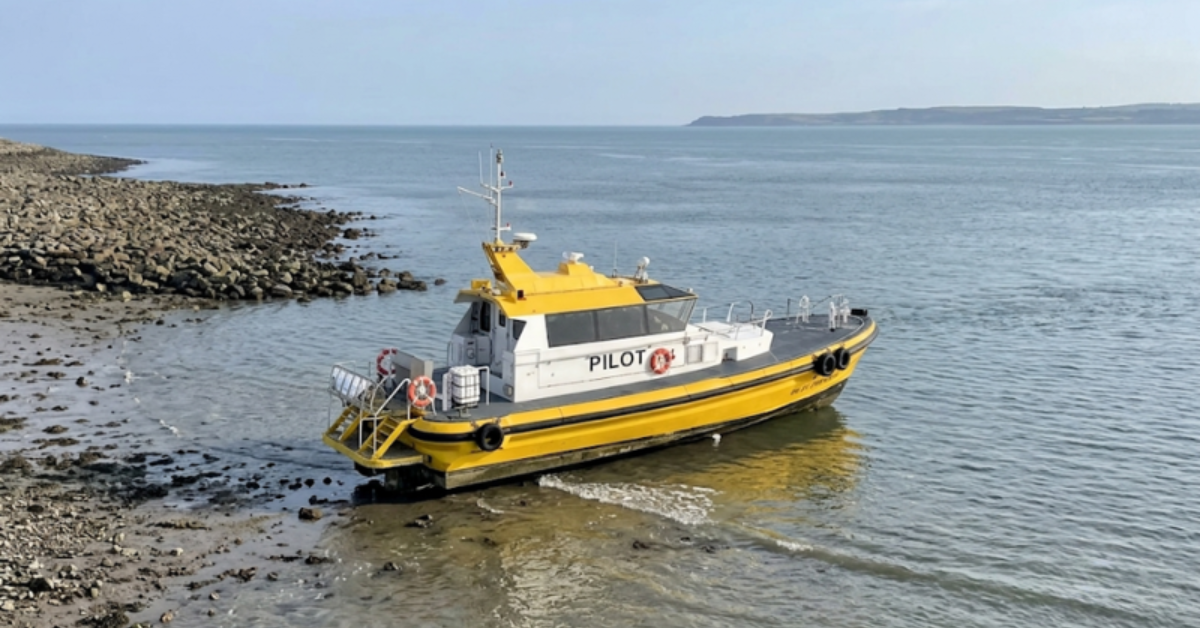
A pilot boat ran aground when poor visibility and reduced situational awareness led the Master into a navigational error. The incident underscores how quickly conditions at sea can erode even experienced decision-making. It is a measured reminder that vigilance is not optional, it is the anchor of safe passage. For broader context on maritime safety challenges, our coverage of the drone strike near the Strait of Hormuz highlights how external threats compound operational risk. Understanding these failures drives stronger, more disciplined practices.
Fatigue and Navigation Error Spark Vessel Collision Incident
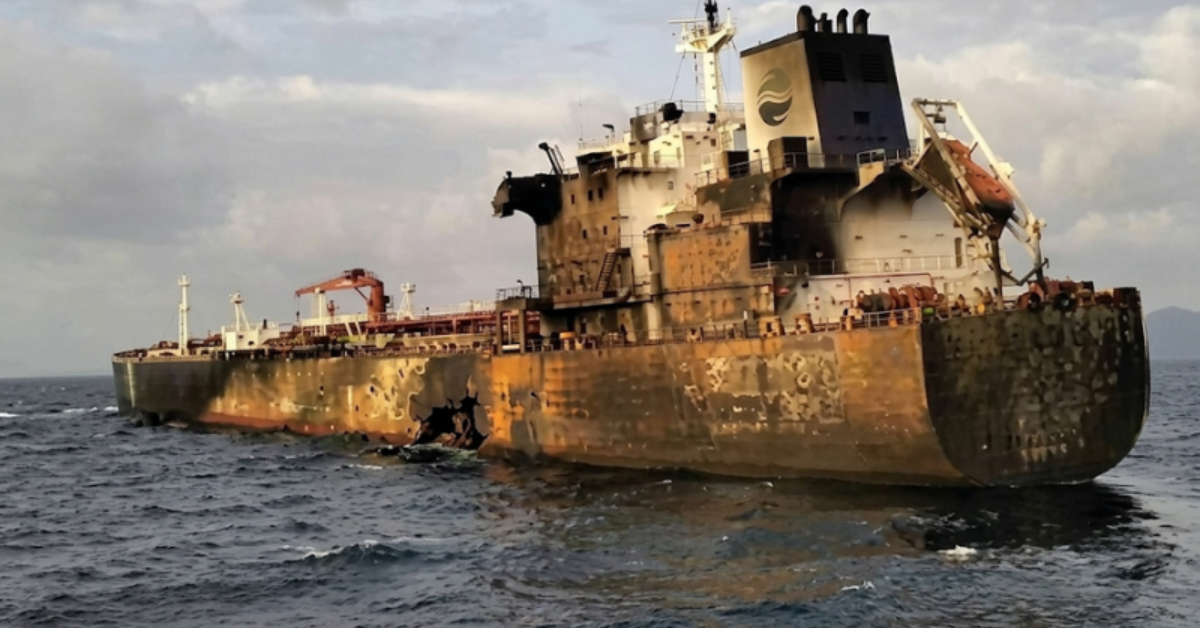
A fatigued officer of the watch made navigational errors that sent a tanker into an anchored vessel, sparking fires and forcing both crews to abandon ship. It is a stark reminder that human endurance has limits, and those limits have consequences. Fatigue is a measurable risk factor, and this collision shows what happens when it is not managed. For deeper context on regional shipping pressures, see our coverage of "Eighty Nations Urge Reopening of Vital Strait of Hormuz Shipping Lane."

Enhanced Y-9 Aircraft Bolsters China’s South China Sea Submarine Surveillance.
China has unveiled an upgraded Y-9 anti-submarine patrol aircraft during recent naval exercises, sharpening its surveillance reach across the South China Sea. The move signals a deliberate step in extending maritime domain awareness, though specific capabilities remain undisclosed. What stands out is the timing, an incremental enhancement that speaks to sustained operational focus rather than spectacle. For context on how China is broadening its naval footprint, our piece on its new nuclear carrier offers useful perspective.