Norway
Norway at World Data Ocean is a file of 10 stories. The newest of them: “Collision in Valderhaugfjorden Triggers Maritime Detainment for Investigation”, “NATO Intervenes to Prevent Russian Subsea Cable Disruption Exercise”, and “Arctic Stranding: Norway Assists 69 Russians Amid Maritime Dispute.”. A collision involving three vessels in the narrow waters of Valderhaugfjorden, near Ålesund, has triggered a formal maritime detainment for investigation. NATO intervened to prevent a Russian exercise aimed at disrupting subsea cables, a direct challenge to the global data networks we rely on. A Global Hub for Ocean Intelligence 4 World Data Ocean is a centralized digital platform where researchers, scientists, and ocean enthusiasts converge to… The list below is every Norway story on World Data Ocean, newest first.
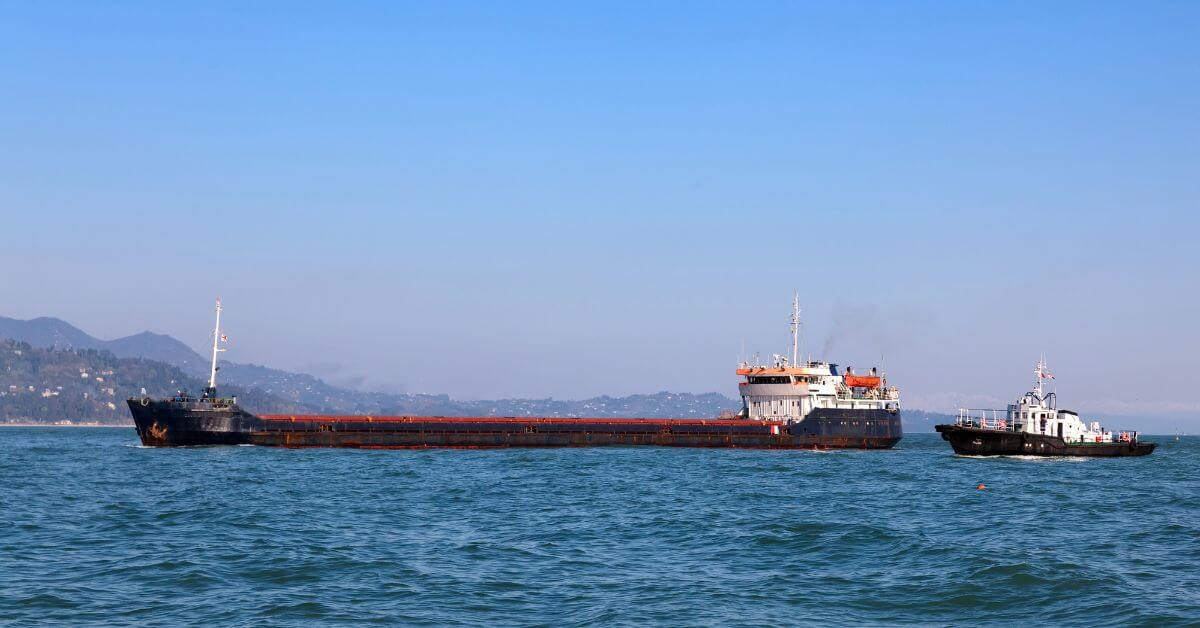
Collision in Valderhaugfjorden Triggers Maritime Detainment for Investigation
A collision involving three vessels in the narrow waters of Valderhaugfjorden, near Ålesund, has triggered a formal maritime detainment for investigation. Such incidents in constrained channels demand precise, empirical analysis of navigational data and human factors. The event underscores the persistent risks in congested sea lanes. For a parallel examination of maritime security challenges, our coverage of the delayed reports confirming five IRGC vessel incidents in the Strait of Hormuz offers further context.

NATO Intervenes to Prevent Russian Subsea Cable Disruption Exercise
NATO intervened to prevent a Russian exercise aimed at disrupting subsea cables, a direct challenge to the global data networks we rely on. Two Western officials confirmed the vessels were stopped and later departed. This is not an isolated provocation. Our related coverage of *Russian Maritime Activity Raises Concerns of Drone Operations in Mediterranean* suggests a pattern of calibrated, high-risk behavior. Protecting ocean intelligence infrastructure is no longer theoretical; it is an operational necessity. Understanding drives protection.
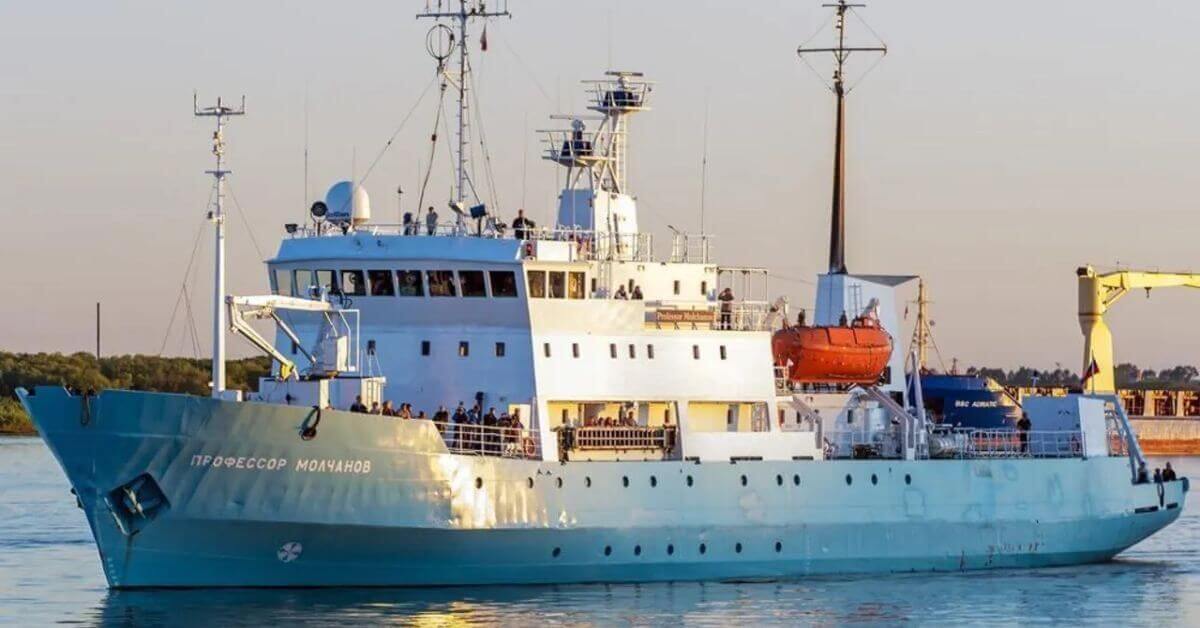
Arctic Stranding: Norway Assists 69 Russians Amid Maritime Dispute.
A Norwegian court ordered the seizure of a Russian vessel, and then Oslo assisted the 69 stranded crew members. This is pragmatic diplomacy during a maritime dispute driven by Ukraine's Naftogaz. Arctic operations cannot afford political standstills; they require calibrated cooperation. The incident highlights how commercial shipping becomes entangled in geopolitical currents. For deeper context on Russia's Arctic ambitions, see our coverage of the Vostok Project's oil exports amid shifting sanctions.

Integrated Carbon Capture Validates Ocean-Climate Link at Yara Facility
At Yara Sluiskil, Europe's largest ammonia and fertilizer plant now captures and liquefies up to 800,000 tons of CO₂ annually. This integrated carbon capture system validates a measurable, empirical link between industrial operations and ocean-climate indicators. It is science with purpose. For deeper context on shifting global commodity flows, see our coverage of Russian terminals adapting for grain exports. Understanding drives protection, and this facility proves the mechanism works.
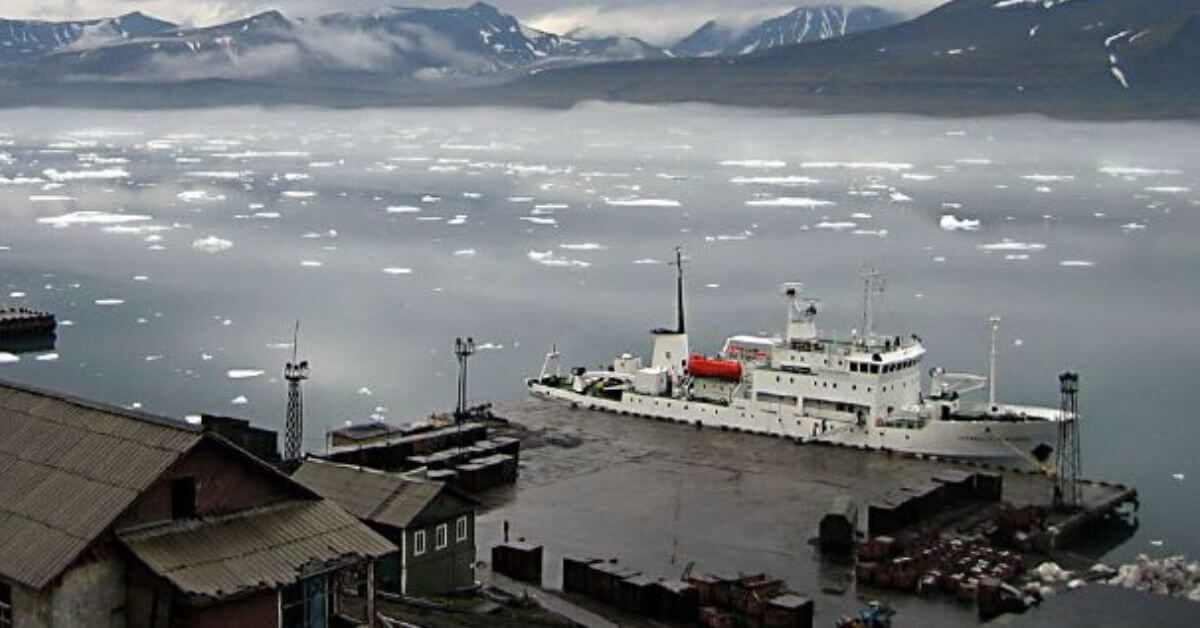
Dispute Escalates: Vessel Seized Amid Ukraine’s Energy Claim Against Russia
A vessel has been seized in escalating legal conflict. Ukraine's state energy company, Naftogaz, pursues a $4.2 billion compensation claim for assets taken by Russia. This is not merely a financial dispute, it is a calibrated test of international maritime law and the boundaries of energy sovereignty. The claim invites scrutiny of how state-sponsored seizures intersect with broader geopolitical pressures. For deeper context on Russia's evolving maritime strategy, see our coverage of the Northern Sea Route icebreaker revenue plan.
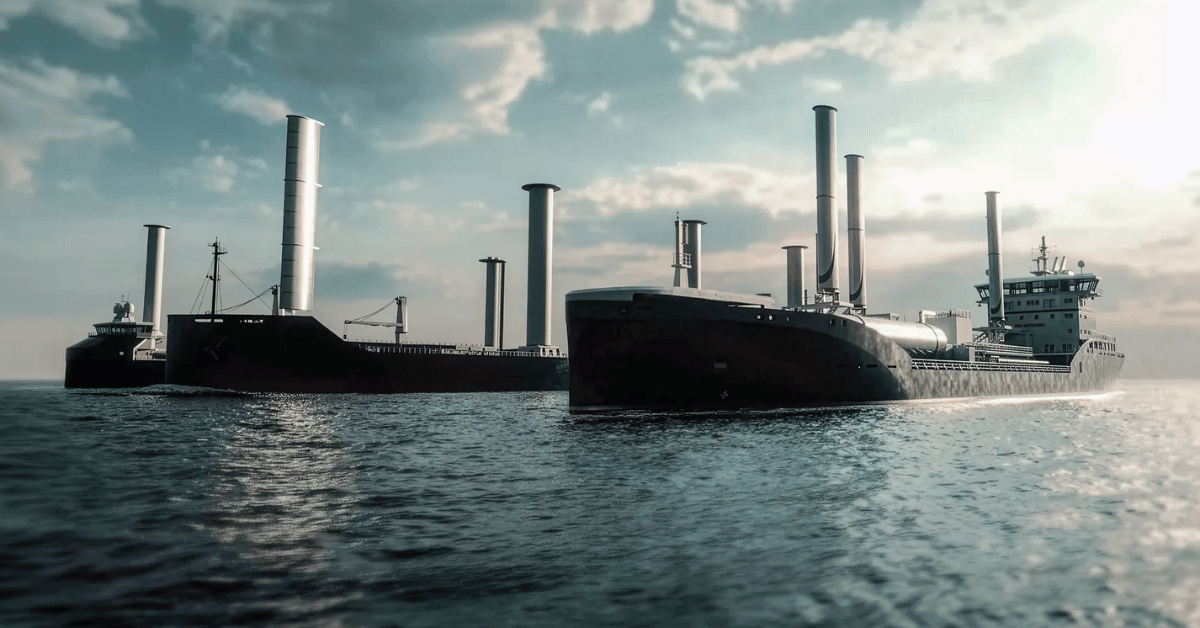
Wind-Assisted Shipping: Norway's Project Drives Fuel Efficiency and Emission Reduction
Norway's new NOK 68 million project treats wind as a measurable asset, not a romantic notion. Integrating wind propulsion directly into ship systems is a calibrated step toward validated fuel savings and real emission cuts. This is empirical progress, not hype. Understanding drives protection. For more on how integrated systems reshape ocean intelligence, see our coverage of "Integrated Subsea Cables Enhance Data Transmission Across the Indian Ocean."
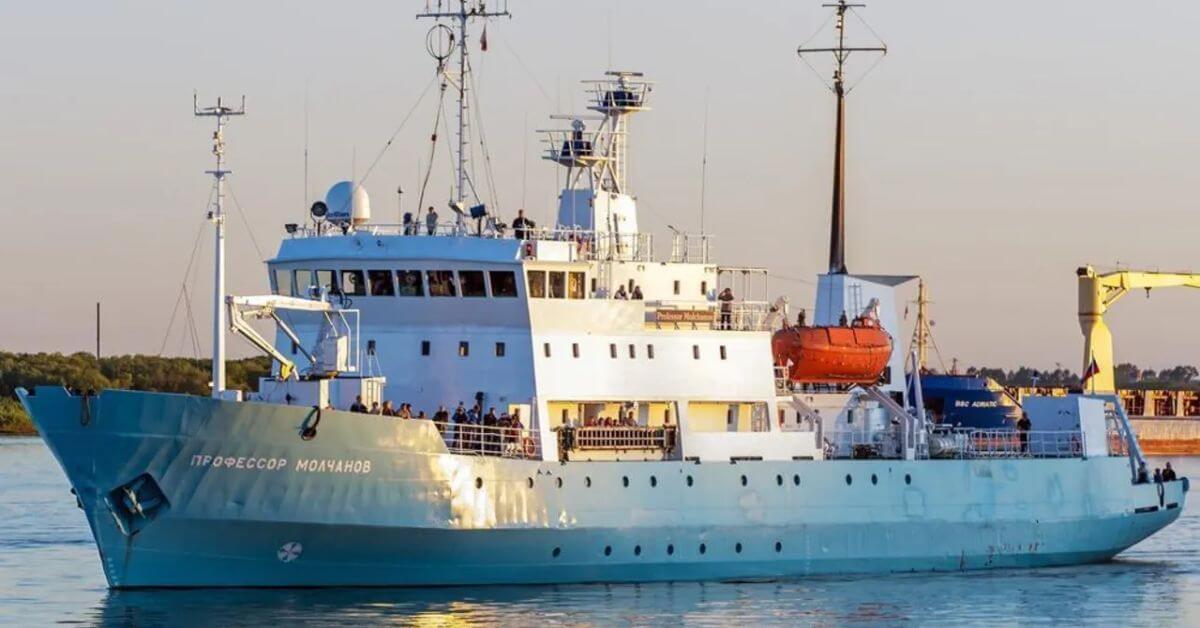
Norway Enforces International Ruling, Seizes Russian Vessel Linked to Svalbard Cruises
Norway's seizure of a Russian vessel linked to Svalbard cruises marks a decisive step in enforcing international maritime rulings. The ship, operated by the Russian Federation for commercial expedition voyages, now sits at the center of a legal and geopolitical test. This action underscores that ocean governance carries weight beyond rhetoric. It also echoes broader patterns in Arctic shipping, where Russia's strategic ambitions, from icebreaker funding to Arctic oil exports, increasingly collide with international law. We'll be watching how this precedent shapes future compliance.

Norway Advances Maritime Innovation with Groundbreaking Ship Tunnel Project
Norway is carving a 1,700-meter passage through the Stadlandet peninsula, a 50-meter-high, 36-meter-wide tunnel designed to reroute ships from one of its most exposed seas. This is not a novelty; it is a calibrated response to a persistent maritime hazard. The project reflects a practical brand of ocean intelligence, where engineering meets geography. For readers tracking how nations mitigate risk at sea, this effort pairs well with our coverage of the bulk carrier freed near Gladstone, another reminder that safe passage is never guaranteed.

Unearthing Viking History: New Insights from a 1,000-Year-Old Burial.
A thousand years after a Viking chieftain was laid to rest, a team from the University of Stavanger's Museum of Archaeology has reopened the burial mound first examined in 1902. Their work reminds us that even well-studied sites hold untold chapters. Revisiting old evidence with new questions is how ocean intelligence deepens. For more on how nations navigate shared waters today, see our piece on NATO's intervention regarding Russian subsea cable activity.

Arctic Submarine Collaboration Expands: Germany, Norway, and Canada Unite.
Four days of talks in Kiel brought Germany, Norway, and Canada alongside TKMS, Kongsberg, and Multiconsult, signaling a deliberate step toward shared submarine capability. This is not merely procurement; it is the architecture of deterrence taking shape in Arctic waters. The collaboration reflects a practical recognition that no single nation patrols these expanses alone. For readers tracking Russia's icebreaker ambitions, including its calibrated export revenue scheme, this trilateral move adds a measured counterweight. We will follow how these industrial partnerships translate into operational reality.