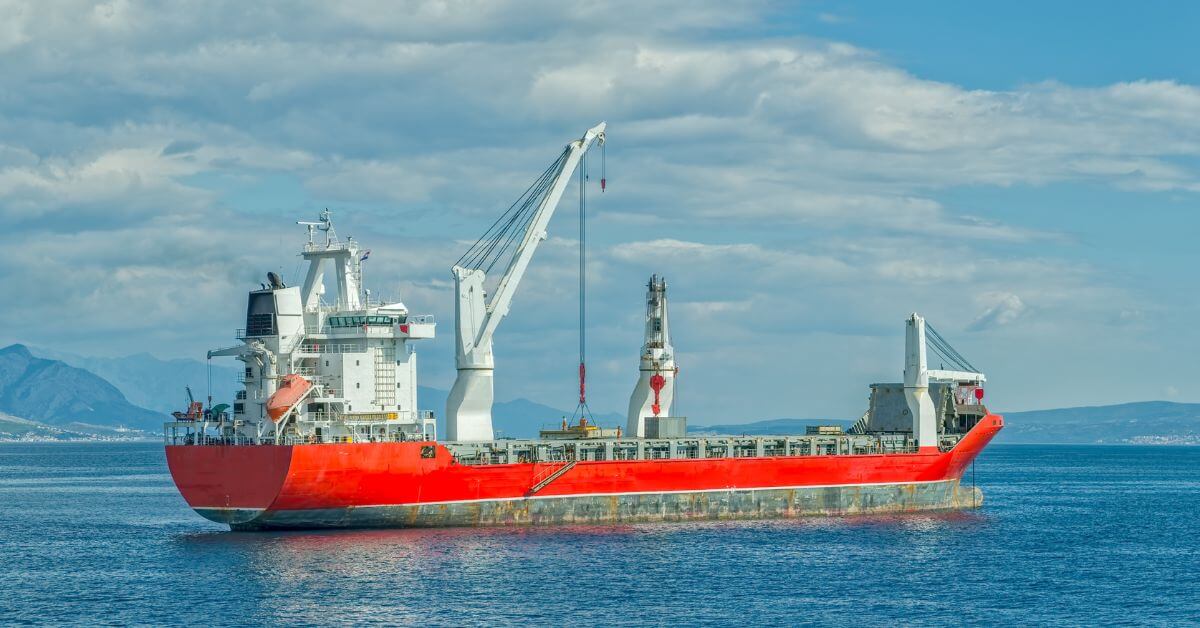
The detention of the *Ya Qing Hai Yang* in Norway is a clear signal that the enforcement gap around sanctions on Russia's Arctic LNG 2 project is closing, and we should view this as a measurable step forward for maritime accountability. This is not a minor paperwork issue; it is a direct challenge to the shadow fleet tactics that have allowed sanctioned energy infrastructure to be built despite international restrictions. For our readers, whether researchers tracking sanctions evasion or marine engineers concerned with operational integrity, this event underscores that the ocean is no longer a space where fraudulent registration goes unchecked.
A vessel that sought shelter from weather was caught by a routine inspection, revealing a flag registration that may have been false. This aligns with a pattern we have long monitored: the use of complex ownership and opaque flag states to move equipment for projects like Arctic LNG 2. As we noted in our coverage of Theory Meets Engine Room in Marine Engineering Knowledge, the gap between theoretical compliance and real-world operations often hides critical deficiencies. Here, the gap was a missing flag state and missing certificates. The *Ya Qing Hai Yang* had previously delivered power-generation modules to the Utrenny terminal under a different name, *Ocean 28*, and was later sanctioned by the US and EU. Its detention in Norway is a concrete consequence of that supply chain. Meanwhile, the *Jian Yang Cheng He*, inspected on the same day, was found with five deficiencies but no sanctions links and was allowed to leave after corrections. The distinction matters: not every Chinese cargo ship in the region is a sanctions target, but every vessel with a falsified flag is a risk to maritime governance.
This detention also connects to the broader question of risk at sea. The *Ya Qing Hai Yang* was not carrying oil or LNG, but its earlier role in delivering heavy equipment to a sanctioned project made it a target. In our piece on Black Sea drone strike sinks cargo ship, Bulgarian Navy rescues 18 crew, we saw how conflict zones directly threaten commercial shipping. Here, the threat is legal and regulatory, but no less real for operators. A vessel that cannot prove its flag state cannot operate in compliant ports. The Norwegian Maritime Authority's communications director, Dag Inge Aarhus, confirmed the ship will remain detained until the issues are resolved. No release date has been given. This sets a precedent: even vessels not carrying sanctioned cargo can be held if their documentation is fraudulent, closing a loophole that shadow fleets have exploited.
The specific takeaway is clear: flag-state verification is now a frontline tool in sanctions enforcement, and vessels with links to Arctic LNG 2 will face increasing scrutiny in Western ports. Norway's action, combined with UK sanctions on newly acquired LNG tankers and the French Navy's interception of the *DF Peak* in the Indian Ocean, shows a coordinated effort to tighten the net. For researchers and policymakers, the open question is how Russia will adapt its logistics for Arctic LNG 2 if the supply chain of heavy-lift vessels is systematically disrupted. For marine engineers and operators, the lesson is that a vessel's history, its previous name, its cargo, its flag, can now determine its freedom to move. The *Ya Qing Hai Yang* remains anchored off Andøya, a floating example of what happens when the paper trail fails.