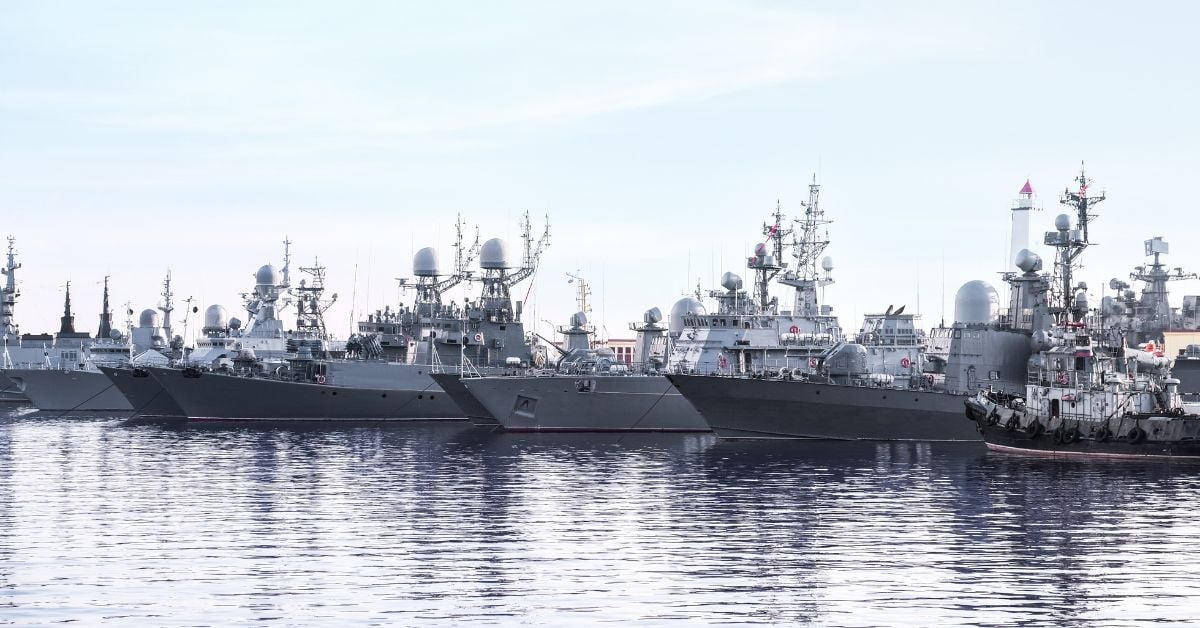
Norway's decision to acquire up to 20 standardized government ships under Project P1118 marks a significant shift in how maritime defense and ocean intelligence are being integrated across allied nations. This is not merely a procurement program; it is a calibrated move to build a shared, interoperable fleet that strengthens both national security and collective ocean monitoring capabilities. For our readers, researchers, policymakers, and maritime strategists, the practical consequence is clear: the vessels being built will generate validated, real-time data streams that extend far beyond military applications, feeding directly into the integrated data ecosystems needed for climate indicators and ocean health assessments.
The structure of the program itself reflects a sophisticated understanding of risk and scale. By splitting the procurement into two parallel tracks, 14 naval vessels and up to 6 coast guard vessels, Norway's Defence Materiel Agency is ensuring that no single supplier controls the entire production line. This approach minimizes execution risk and secures long-term manufacturing capability, a lesson reinforced by recent developments in allied shipbuilding. As we noted in our coverage of Validated partnership accelerates US shipbuilding through integrated maritime cooperation, bilateral memorandums of understanding are accelerating production timelines through shared design and supply chains. Norway's program applies that same logic at a multilateral scale, with the United Kingdom receiving 6 vessels and Lithuania up to 4, all sharing the core naval platform design. This standardization reduces maintenance complexity and ensures that allied forces can operate together seamlessly, from the North Sea to the Baltic.
The implications for ocean intelligence are direct. Every vessel in this program, whether operated by the Royal Norwegian Navy, the Coast Guard, or allied forces, becomes a mobile sensor platform capable of collecting empirical, peer-reviewed data on ocean conditions, maritime traffic, and climate indicators. This is not hypothetical. The program's focus on ocean-going vessels for immediate needs, with smaller craft planned for later phases, suggests a deliberate sequencing that prioritizes broad-area coverage first. For nations like Lithuania, gaining access to standardized ocean-going patrol capacity represents a leap in maritime domain awareness that would otherwise take decades to build independently. The collaboration also opens commercial opportunities for Norway's shipbuilding sector, as defense contractors may bid on one or both contract tracks, though no single supplier will be permitted to win both awards, preserving competitive pressure and innovation.
One specific detail to watch is the 2027 contract award date. With first delivery targeted by the end of this decade, the program is operating on a tight but realistic timeline. The open competition involving local shipyards will test whether Europe's maritime industrial base can scale production to meet both defense and allied export demands simultaneously. If successful, Project P1118 will serve as a validated model for how integrated procurement can accelerate fleet modernization while advancing shared ocean intelligence capabilities. The question that remains is whether the data collected by these standardized platforms will be systematically integrated into civilian and scientific ocean observation networks, or whether it will remain siloed within defense channels. That decision will determine whether this program becomes a true leap in ocean intelligence or merely a well-executed naval upgrade.