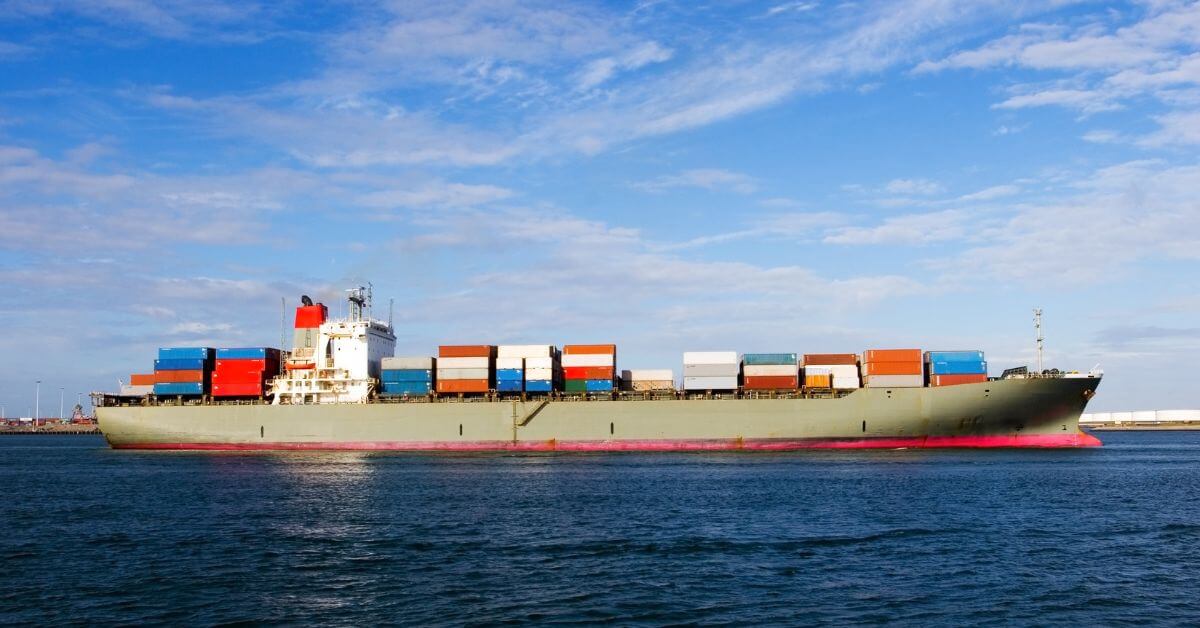
The announcement that Lloyd's Register, Maersk, the Port of Charleston, and the Port of Felixstowe are collaborating on a Pink Corridor project is not another speculative research memo. It is a concrete signal that nuclear propulsion for container shipping has moved from theoretical debate to active route planning. For an industry that has spent years circling the question of zero-carbon fuels, this transatlantic partnership names the technology, the infrastructure, and the commercial partners required to test it. That is a meaningful step, and it deserves a clear-eyed response rather than applause.
Pink Corridors are not a new concept, but they have typically been discussed in the context of green hydrogen or ammonia. Applying that framework to nuclear power reframes the conversation. The participating parties are not asking whether nuclear can work; they are asking how to make it work between two specific ports with real cargo flows. That is the kind of integrated thinking that moves the sector forward. It also connects directly to the broader logistical pressures we have been tracking, such as the Eighty Nations Urge Reopening of Vital Strait of Hormuz Shipping Lane and the ongoing risk assessments tied to Shipping Services Return to Suez Canal Amid Ongoing Risk Assessments. In both cases, the question of route reliability and emissions intensity is central. Nuclear power, if validated, offers a way to decouple transit speed and distance from fuel cost and carbon output.
What matters most here is the choice of partners. Maersk brings operational scale and a history of pushing fuel transitions, but it has also been publicly cautious about nuclear. Lloyd's Register provides the classification and regulatory expertise that will be necessary to certify a reactor at sea. The two ports, Charleston and Felixstowe, are not incidental. They represent the kind of integrated data ecosystem that our own reporting has highlighted, such as the recent Integrated Maritime Data Collection Underway in Philippine Exercise, where real-time information sharing proved critical. A nuclear corridor will demand the same level of coordination, from port state control to emergency response protocols, and these two ports are positioned to test that.
Our take is straightforward: this is a proposal built on empirical questions, and it should be treated as such. The industry does not need more promotional language about a clean future. It needs measured, peer-reviewed data on reactor safety, refueling cycles, and port-side handling of spent fuel. The collaboration has the right architecture to produce that data, but only if the partners resist the urge to declare victory before the first voyage. The open question is whether the regulatory framework can keep pace with the engineering. Watch for the initial feasibility studies, not the press release. A specific detail to track: how each port plans to handle the exclusion zones and liability frameworks that nuclear propulsion will require. That answer will tell us more than any timeline.