Islamic Revolutionary Guard Corps
Islamic Revolutionary Guard Corps at World Data Ocean is a file of 12 stories. The newest of them: “US Forces Neutralize Iranian-Affiliated Vessel in Gulf of Oman”, “Strait of Hormuz Posture Raises Stakes for Maritime Data Verification”, and “Drone and fire attacks target three tankers near Strait of Hormuz”. A U.S. A commander of Iran's Islamic Revolutionary Guard Corps has publicly dared U.S. A Global Hub for Ocean Intelligence 4 World Data Ocean is a centralized digital platform where researchers, scientists, and ocean enthusiasts converge to… The list below is every Islamic Revolutionary Guard Corps story on World Data Ocean, newest first.
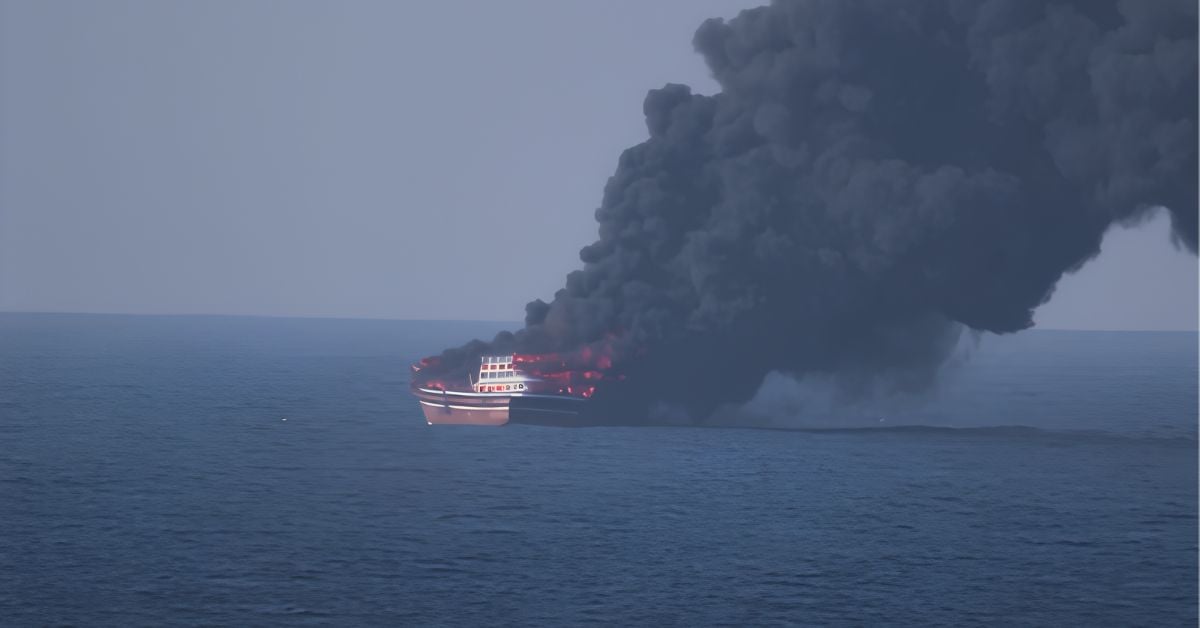
US Forces Neutralize Iranian-Affiliated Vessel in Gulf of Oman
A U.S. naval force destroyed an Iranian-affiliated dhow in the Gulf of Oman after it was accused of conducting surveillance on American warships. The action underscores the escalating maritime tensions in a region already defined by fragile data and contested waterways. For context on the stakes for ocean intelligence, see our related coverage of the Strait of Hormuz Posture Raises Stakes for Maritime Data Verification. Understanding drives protection, but only when the data is validated.
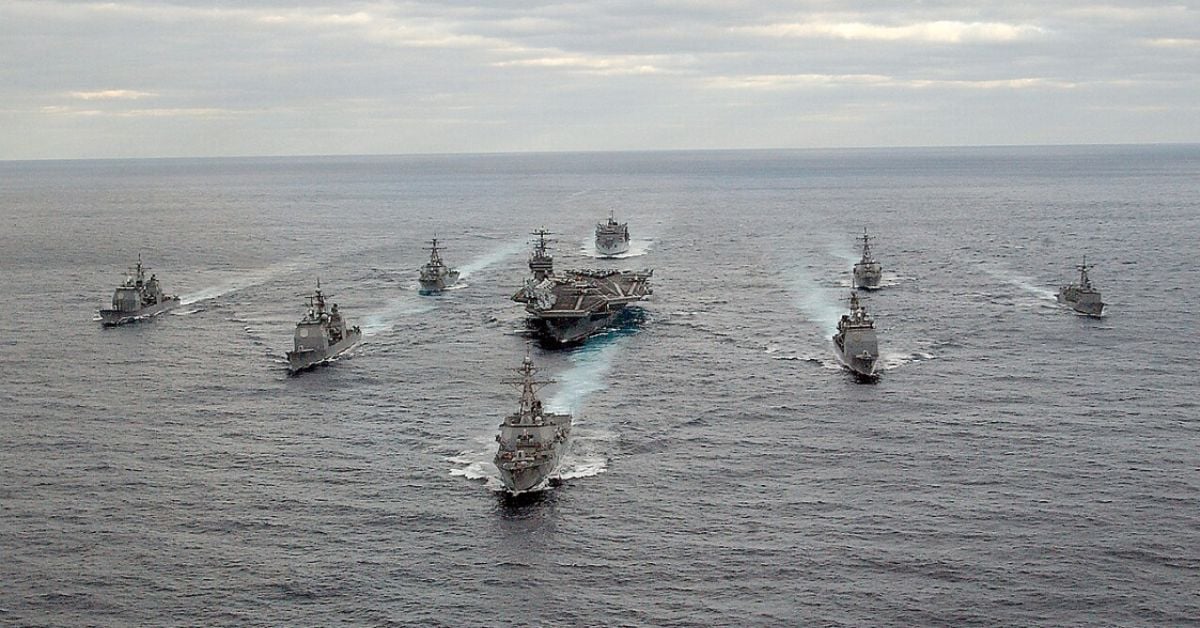
Strait of Hormuz Posture Raises Stakes for Maritime Data Verification
A commander of Iran's Islamic Revolutionary Guard Corps has publicly dared U.S. warships to enter the Strait of Hormuz, raising the stakes for maritime data verification in a waterway that carries a fifth of the world's oil. This is not posturing; it is a direct challenge to the empirical, real-time ocean intelligence that underpins safe passage. For deeper context on how navies are adapting, see our coverage of the counter-drone electronic warfare system now protecting USS Ohio.
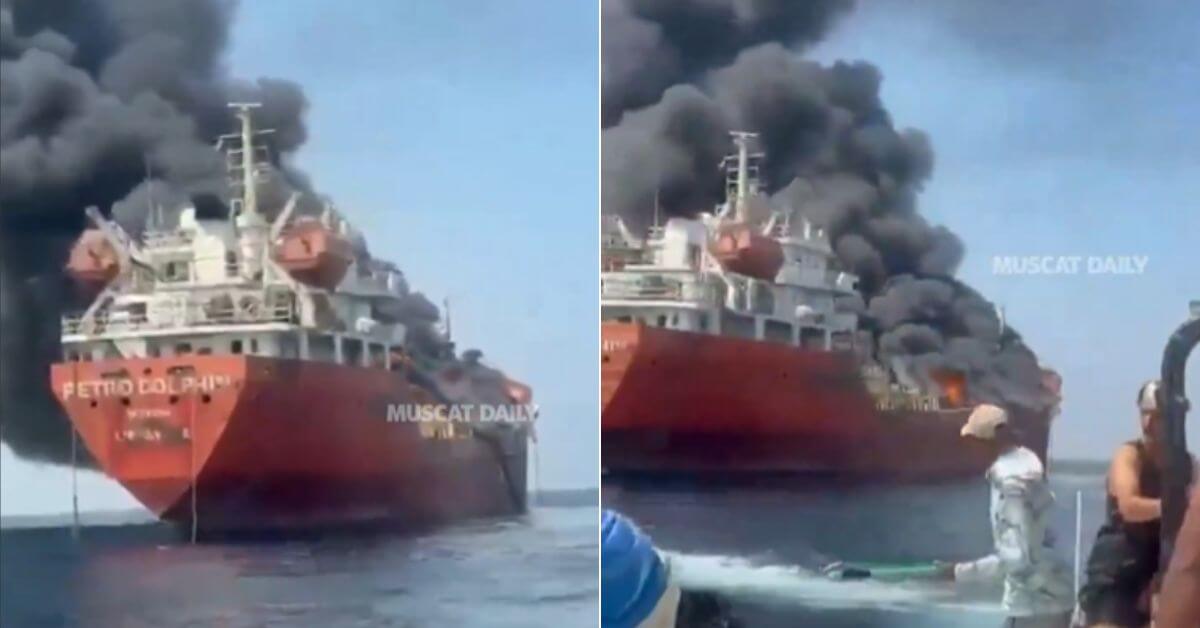
Drone and fire attacks target three tankers near Strait of Hormuz
Three tankers near the Strait of Hormuz were struck by coordinated drone and fire attacks, one drone strike off Oman, two more in the strait, and a separate blaze aboard an oil tanker in the Arabian Gulf. These incidents, in one of the world's most critical maritime chokepoints, are a measurable reminder that ocean security is inseparable from global stability. Our related coverage of stranded Iranian vessels off Sri Lanka further underscores how regional disruptions test supply chains and sanctions.
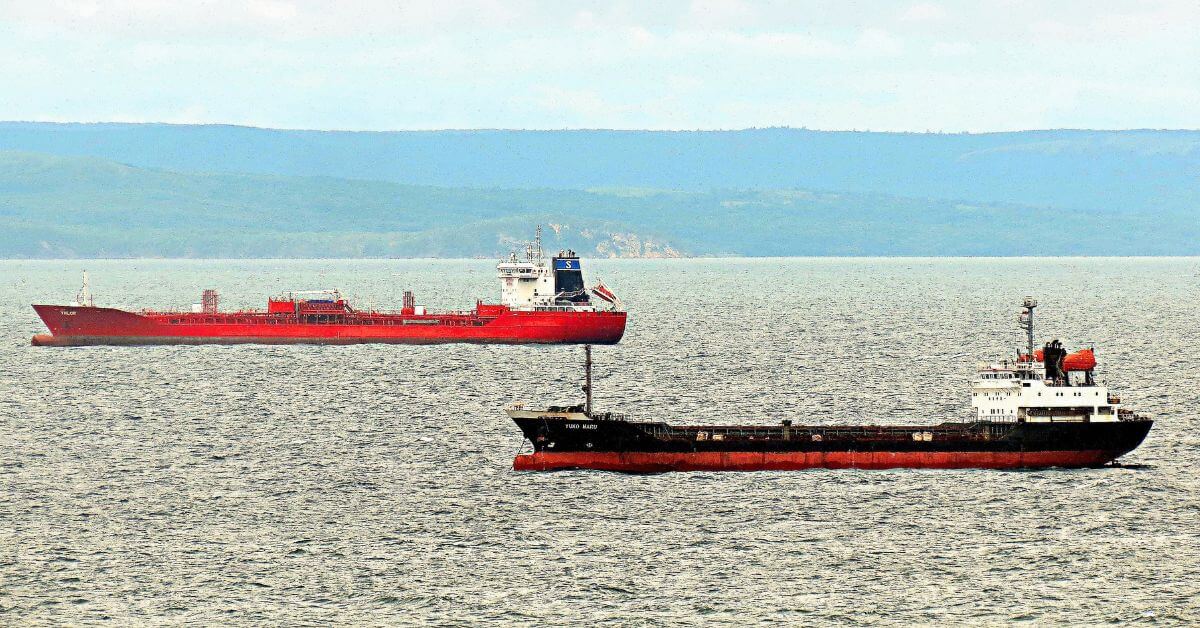
Delayed reports confirm five IRGC vessel incidents in the Strait of Hormuz
Five separate incidents involving IRGC vessels in the Strait of Hormuz were only confirmed after delayed reports reached the UKMTO on October 5, three of them dating back to October 3-4. This lag in reporting raises questions about transparency in one of the world's most critical maritime chokepoints. For broader context on regional maritime shifts, see our coverage of the calibrated movement of 2 million barrels of crude beyond the Strait. Understanding these patterns is essential.
Strait of Hormuz Incidents Prompt Inquiry Into Tanker Impacts
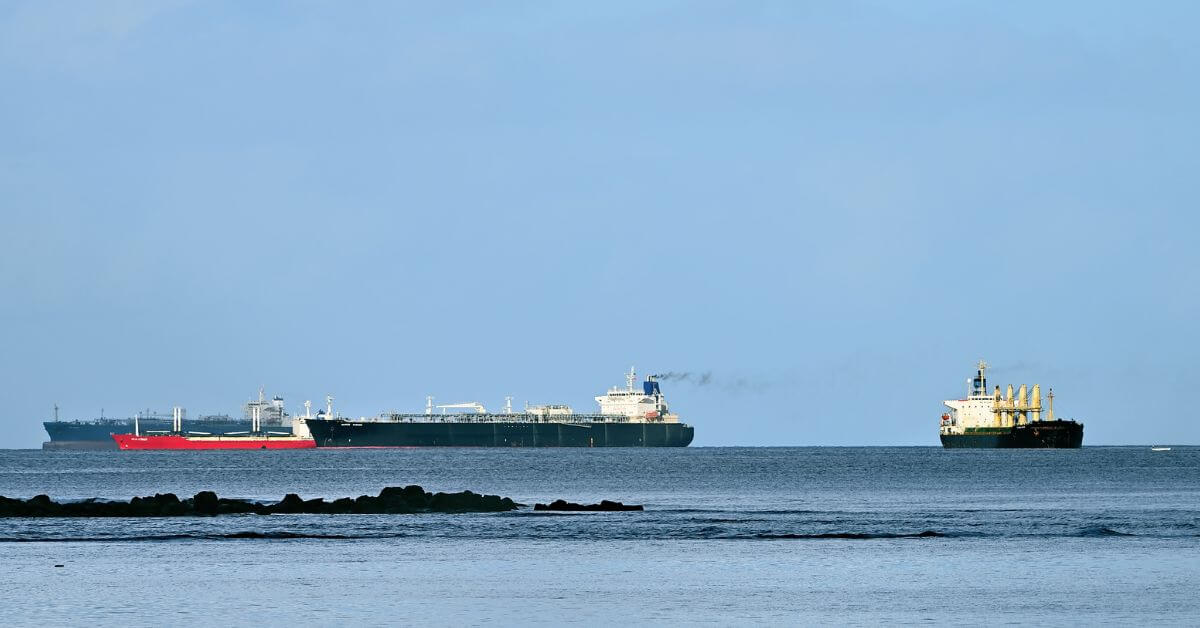
Two tankers were struck by an unknown projectile or debris in the Strait of Hormuz on Monday, reigniting questions about the vulnerability of commercial shipping in one of the world's most vital waterways. The incident demands empirical scrutiny, not speculation, as we assess the measurable risks to vessels and crews. This is precisely why our coverage, including the recent report on Gulf of Oman STS transfers maxing out, must remain grounded in validated, real-time data.
US Navy Responds to Iranian Attempt to Intercept Autonomous Saildrone.
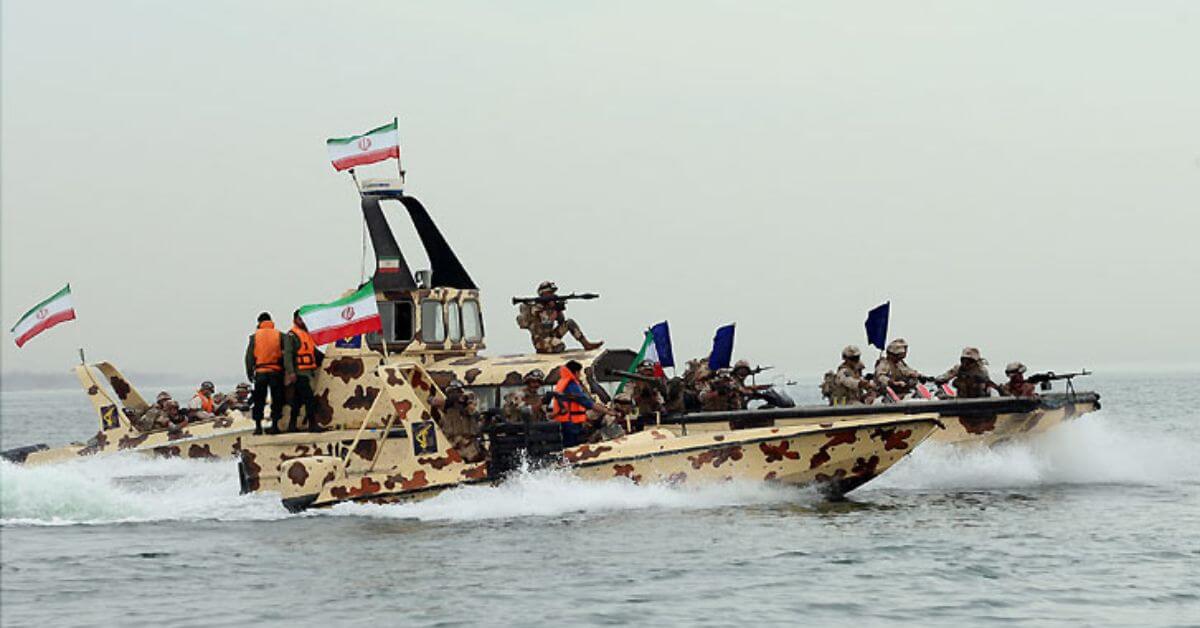
The US Navy's response to an Iranian attempt to intercept one of its autonomous Saildrone vessels underscores a quiet but firm escalation in maritime competition. At roughly 25 feet, this uncrewed craft operates alone, yet its presence clearly signals strategic intent. This is measured deterrence, not provocation. The Navy's growing reliance on such platforms aligns with its broader push to integrate robotic systems, a move that also echoes in the Indian Navy's fleet projections.
Shipping Incident Near Hormuz Raises Regional Tensions, Claims One Life.
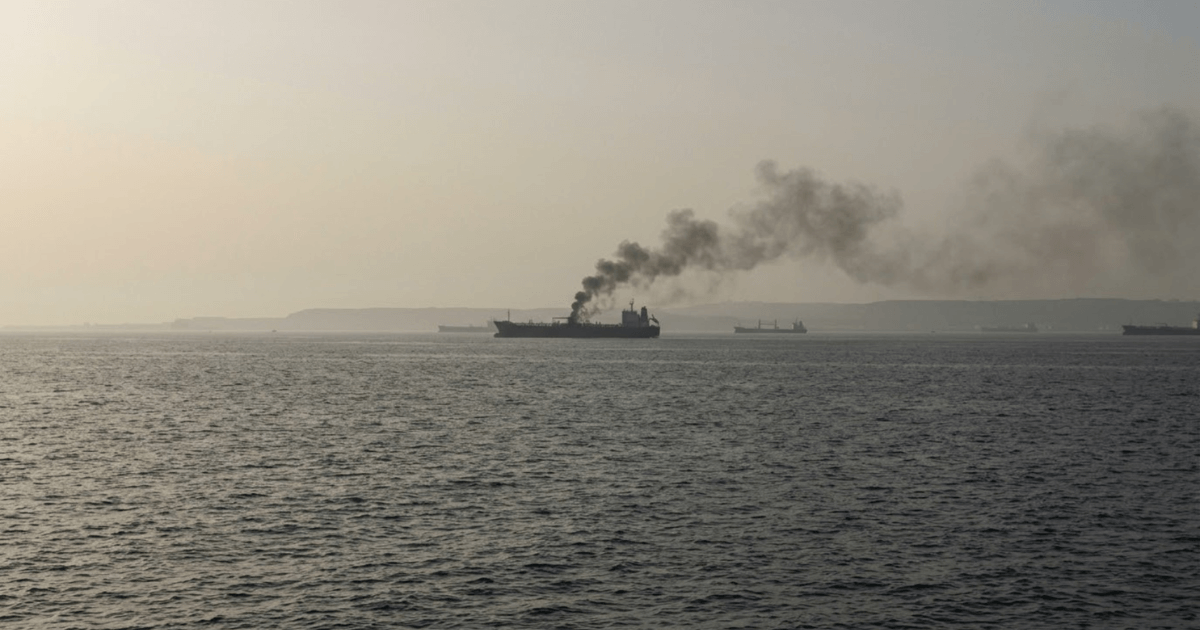
A commercial vessel was struck off Qeshm Island in the Strait of Hormuz, killing one crew member. Iran now prepares to brief regional powers on shipping control. This incident raises tensions along a waterway already strained by capacity, our related coverage on Gulf of Oman STS Transfers Max Out Amid Rising Saudi Oil Exports underscores the logistical pressure. Measurable maritime data matters here: safety and security are empirical conditions, not abstractions. Understanding drives protection.
Tanker Diverts Amid Iranian Warship Warning in Strait of Hormuz
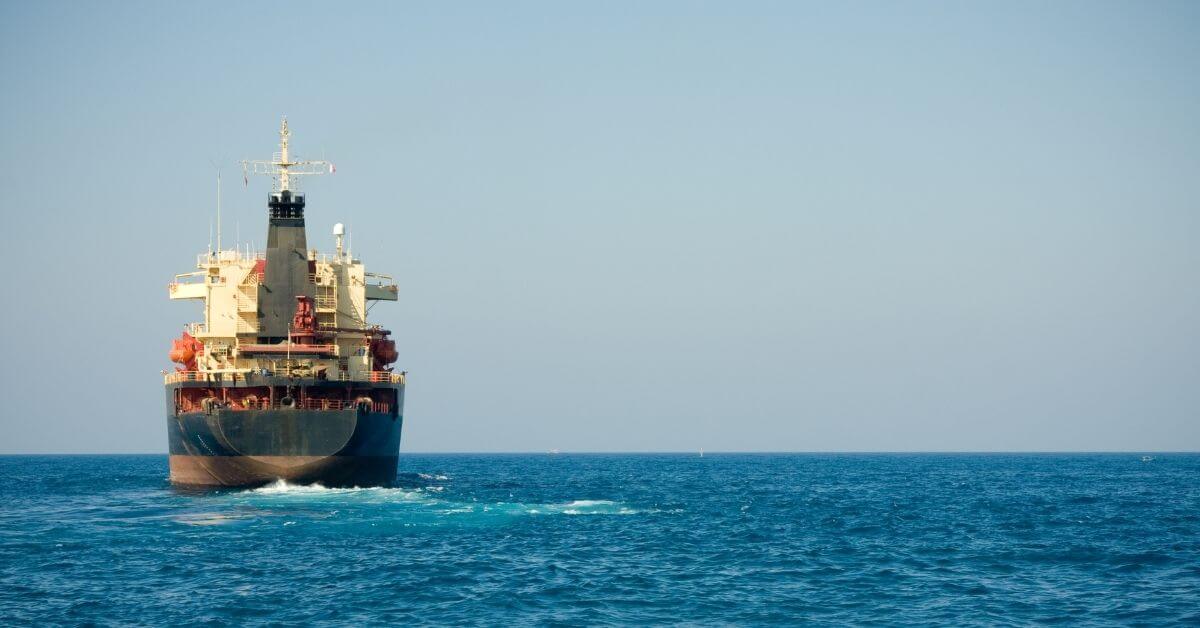
The HAANA's diversion in the Strait of Hormuz, after a large Iranian warship issued a warning, underscores how fragile this waterway has become. The vessel's pivot to the southern "Oman corridor" is a measured response to a volatile moment, yet it speaks to a broader tension that shippers cannot ignore. We see this as a reminder that maritime routes demand constant recalibration.

Shipping Corridor Established: U.S. Facilitates Oil Flow Through Hormuz
The U.S. military has quietly established a shipping corridor through the Strait of Hormuz, moving millions of barrels of oil daily. It is a measured, logistical response to a volatile region, and one that carries real strategic weight. The move underscores the practical realities of maintaining energy flow when diplomatic channels remain fragile. For context on how pressure is building nearby, our related piece, "Gulf of Oman STS Transfers Max Out Amid Rising Saudi Oil Exports," offers a clearer picture of the strain.

Strait of Hormuz: Maritime Security and International Law Asserted.
The U.S. military has rejected claims that the Strait of Hormuz falls under unilateral control, asserting instead that it remains an international waterway bound by maritime law. That position is correct, and it matters globally. The strait is not a bargaining chip; it is a corridor where legal norms must hold. For readers tracking the stakes, our related piece on phased negotiations offers useful context. The rule of law, not escalation, should define this passage.

Regional Tensions Rise as Iran and UAE Trade Accusations of Attacks
Iran's response to the UAE's accusation arrived within hours, a pointed rebuttal to claims that Tehran launched cruise missiles at two national tankers. The exchange sharpens a familiar volatility, and the speed of the denial suggests more than diplomatic reflex. It signals how fragile maritime trust has become. For those tracking the region's pressure points, this is not an isolated flare-up. Our related coverage on Gulf of Oman STS transfers maxing out shows the commercial stakes already running high.

Strait of Hormuz Incident: Geopolitical Tensions Impact Maritime Trade
The Strait of Hormuz is a chokepoint, and the strikes on the Mombasa and Al Bahiyah prove how quickly that geography translates into real-world consequence. Two Iranian cruise missiles targeting commercial tankers is not a background noise issue; it is a direct fiscal and physical threat to the lanes that move global energy. The incident demands a measured response, not alarm.