gulf
18 stories filed under gulf on World Data Ocean. The newest of them: “HMS Dragon's return narrows Royal Navy presence in the Gulf to one vessel”, “Projectile Strike on Tanker Off Qatar Coast Yields Reported Casualties”, and “Longest carrier deployment in decades signals shifting maritime demands”. HMS Dragon's return to Portsmouth after seven months in the Gulf leaves just one Royal Navy vessel in the region, a narrow presence that demands scrutiny. Multiple projectiles struck an oil tanker off Qatar's northern coast, with casualties now reported among the crew. A Global Hub for Ocean Intelligence 4 World Data Ocean is a centralized digital platform where researchers, scientists, and ocean enthusiasts converge to… The list below is every gulf story on World Data Ocean, newest first.
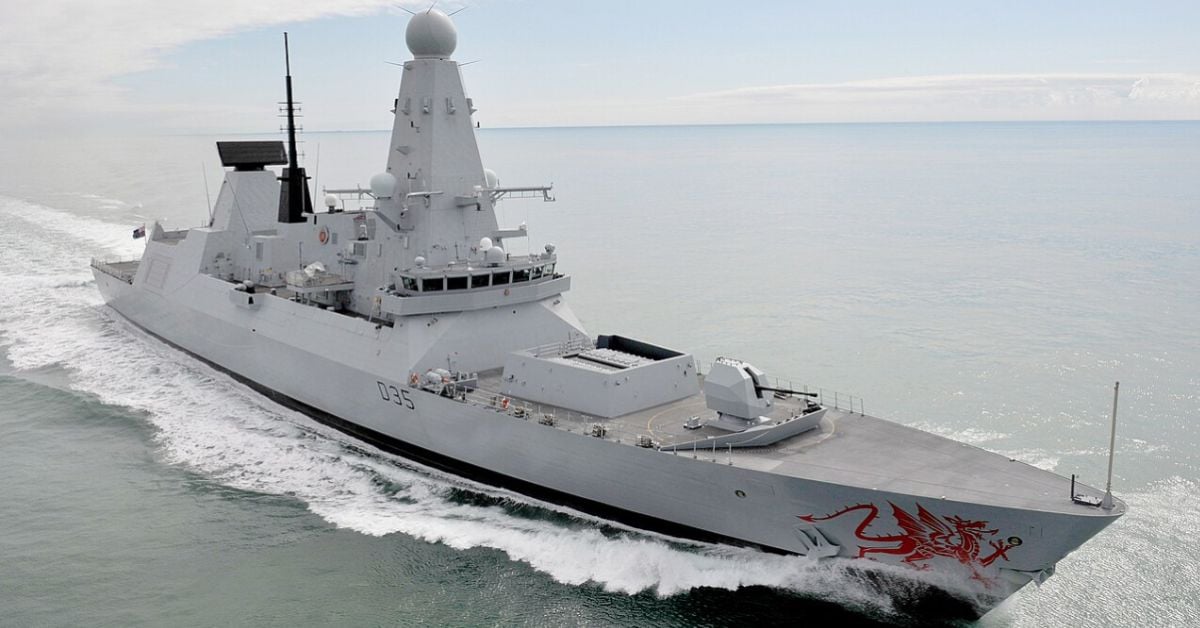
HMS Dragon's return narrows Royal Navy presence in the Gulf to one vessel
HMS Dragon's return to Portsmouth after seven months in the Gulf leaves just one Royal Navy vessel in the region, a narrow presence that demands scrutiny. This reduction comes as maritime threats persist, evidenced by recent drone and fire attacks targeting tankers near the Strait of Hormuz. For deeper context on those escalating risks, see our coverage of the strikes on three tankers. Measured vigilance, not alarm, is the appropriate response.
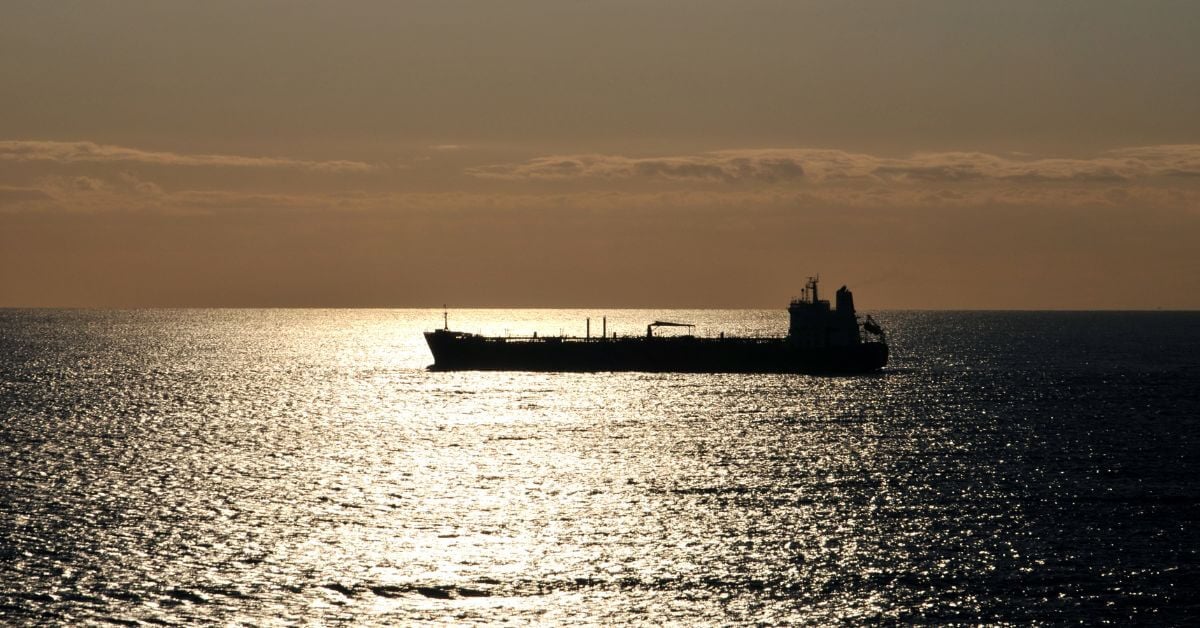
Projectile Strike on Tanker Off Qatar Coast Yields Reported Casualties
Multiple projectiles struck an oil tanker off Qatar's northern coast, with casualties now reported among the crew. This attack adds a dangerous new dimension to maritime insecurity in a region already strained by rising tensions. Understanding these threats requires calibrated, real-time observation of shipping lanes and geopolitical shifts. For deeper context on regional instability, read our coverage of rising Strait of Hormuz tensions and Iran's new maritime restrictions.
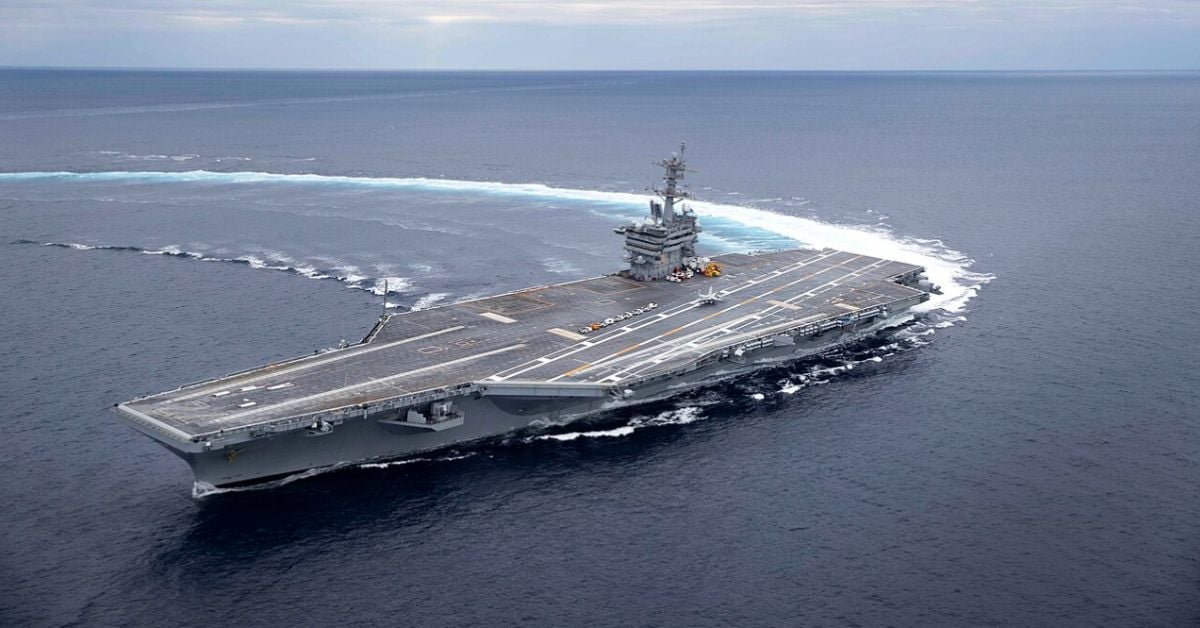
Longest carrier deployment in decades signals shifting maritime demands
A 320-day deployment is not routine; it is a signal. The USS *Nimitz*'s return to California after the longest carrier deployment in decades reflects shifting maritime demands in the Iranian theatre. Extended presence at sea validates the operational endurance of the Nimitz-class, but it also raises empirical questions about crew sustainability and fleet readiness. For deeper context on fleet modernization, see our coverage of the John F. Kennedy's 99% completion ahead of its 2027 handover.
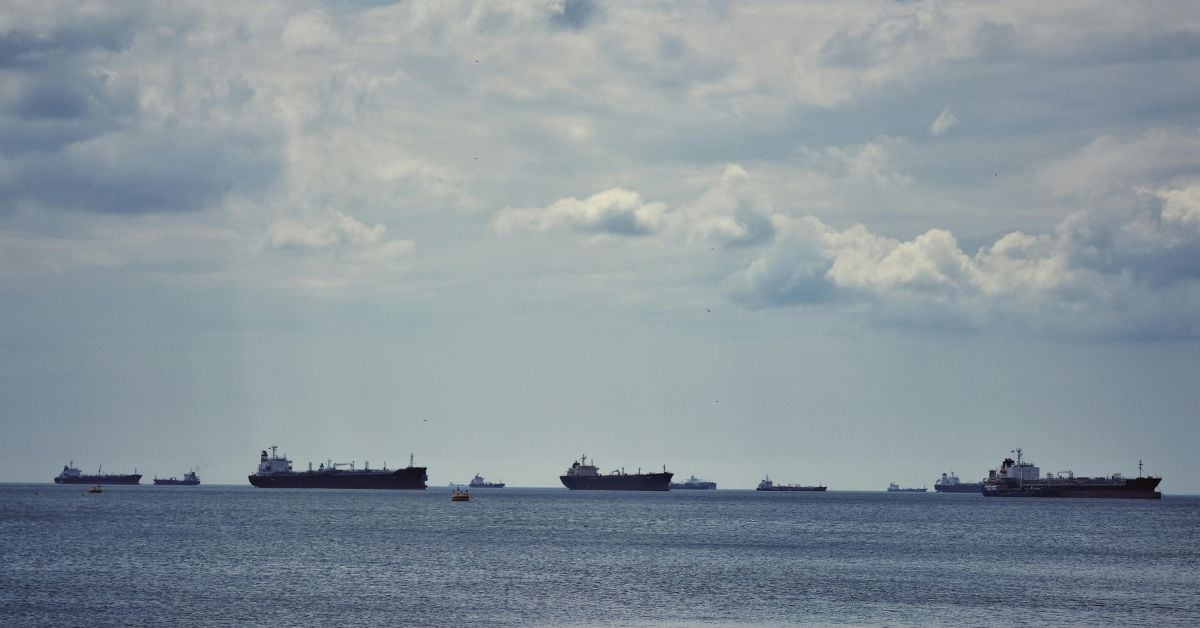
Chartering tankers through Hormuz to secure India's oil supply chains
India's refiners are chartering tankers through the Strait of Hormuz, a calculated response to rising risk in a waterway that moves a fifth of global oil. Rather than deploying their own vessels, they are shifting procurement strategy to secure supply chains with measurable precision. This is not alarm, it is calibrated adaptation. For deeper context on how these disruptions are reshaping global routes, see our related coverage of rising Red Sea crude flows.
Gulf of Mexico Ecosystems Demonstrate Measurable Evolutionary Shifts
The Gulf of Mexico is no longer just a body of water; it is a living laboratory. New observations confirm measurable evolutionary shifts across its ecosystems, a direct signal that climate pressure is rewriting biological rules in real time. This is empirical evidence, not speculation, of adaptation under our watch. We track these changes because understanding them is the first step toward protecting what remains.
Strait of Hormuz Incidents Prompt Inquiry Into Tanker Impacts
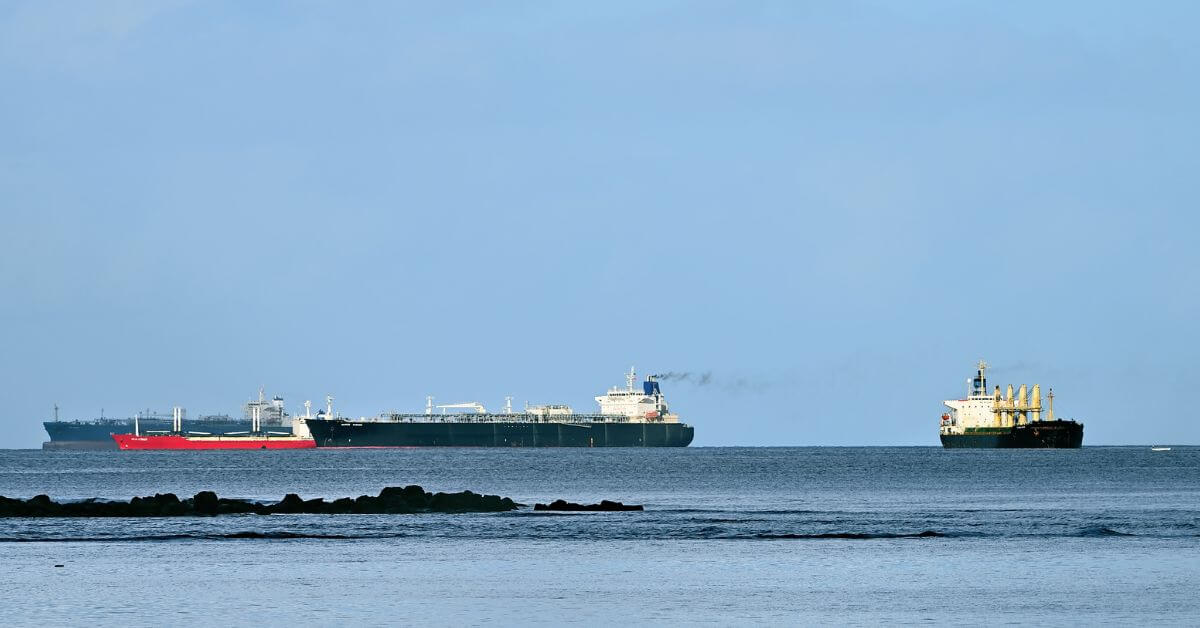
Two tankers were struck by an unknown projectile or debris in the Strait of Hormuz on Monday, reigniting questions about the vulnerability of commercial shipping in one of the world's most vital waterways. The incident demands empirical scrutiny, not speculation, as we assess the measurable risks to vessels and crews. This is precisely why our coverage, including the recent report on Gulf of Oman STS transfers maxing out, must remain grounded in validated, real-time data.
Iranian Warship IRIS Lavan Extended Stay in Indian Port Raises Questions.
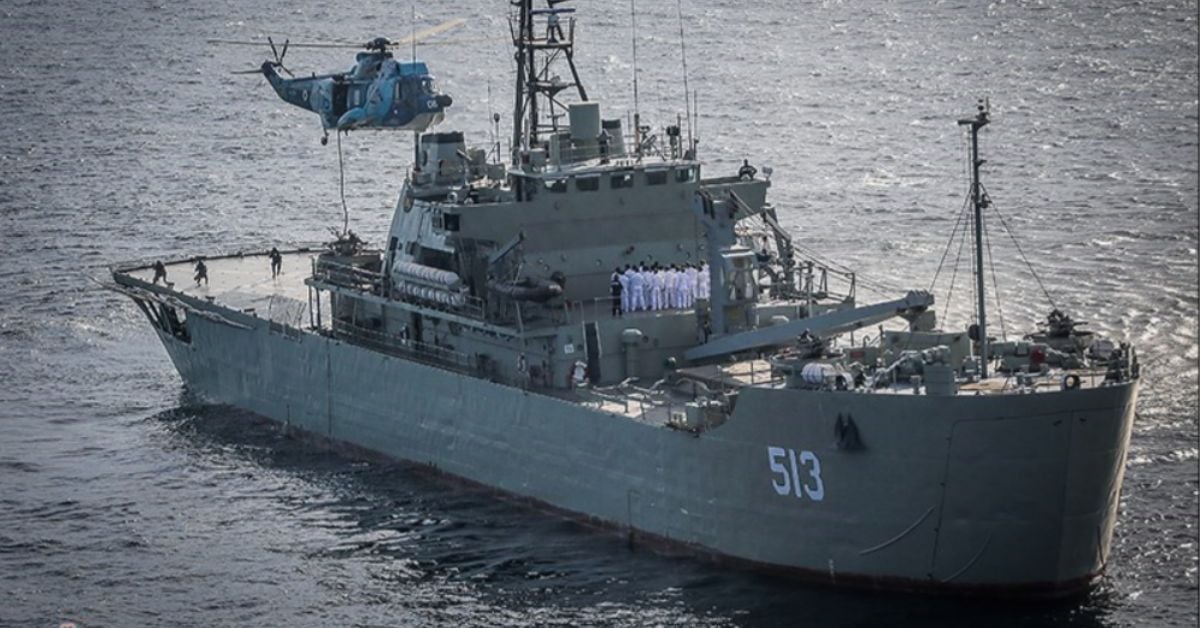
Six months after seeking emergency docking, Iran's amphibious landing ship IRIS Lavan remains anchored in India's Port of Kochi. That is not a routine port call; that is a statement. Extended stays carry weight in maritime geopolitics, and this one deserves scrutiny. For readers tracking the region's shifting dynamics, our related piece on integrated subsea infrastructure highlights how the Indian Ocean is becoming a strategic corridor. The Lavan's presence adds a layer to that picture, one worth watching closely.
Escalation in Strait of Hormuz: Maritime Traffic Disrupted by Reported Attacks
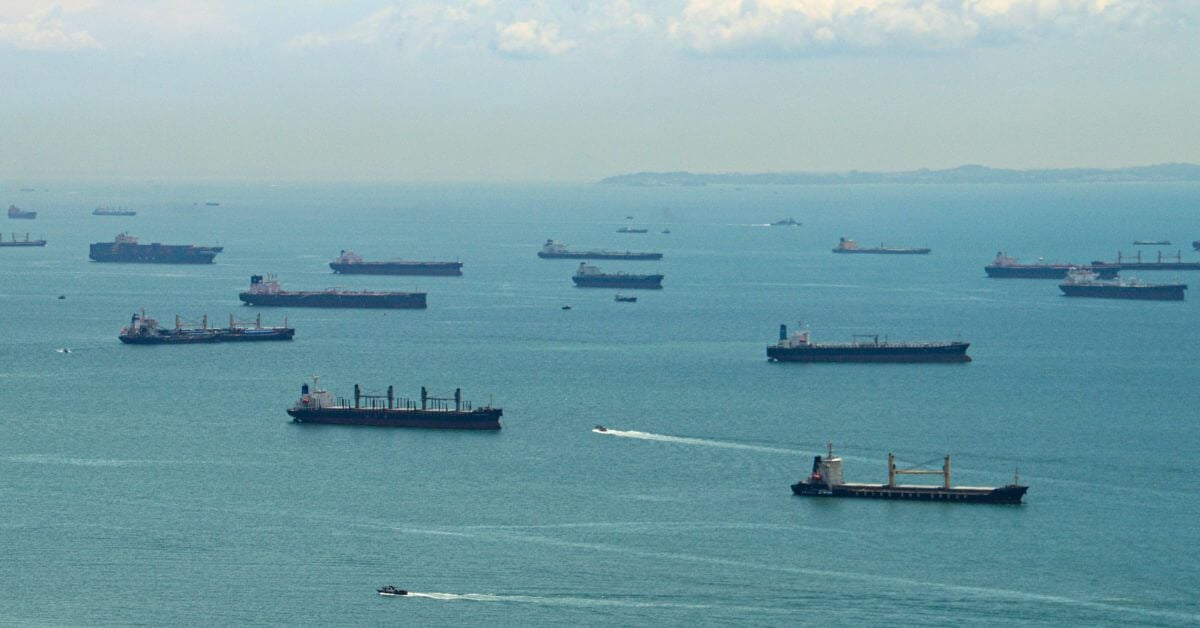
Reports of multiple merchant vessels struck in the northern Gulf and Gulf of Oman signal a dangerous escalation in the Strait of Hormuz. Maritime traffic is now disrupted, and the immediate consequences for global energy flows are measurable. This is not a moment for alarmist speculation, but for empirical observation. For deeper analysis on regional capacity pressures, readers may consult our related report on Gulf of Oman STS transfers maxing out amid rising Saudi oil exports.
Geopolitical Shifts: Strait of Hormuz Renaming Proposal Sparks Debate
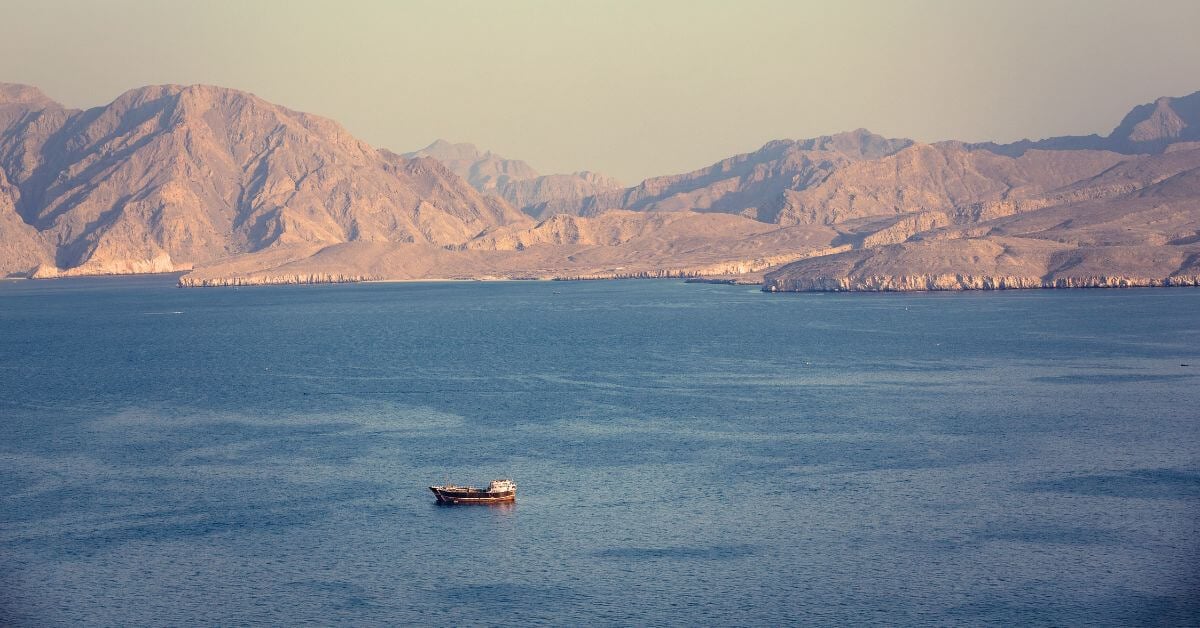
A proposal to rename the Strait of Hormuz has injected geopolitical friction into one of the world's most vital maritime chokepoints. President Trump asserted U.S. control over the strait on Truth Social, questioning whether it should be rebranded. The debate is more than symbolic; it carries real implications for shipping and energy security. For context on the region's mounting pressures, our piece on Gulf of Oman STS transfers maxing out offers a grounded look at the logistical strains nearby. Measured analysis matters here, not hyperbole.

Real-Time Data from The Ocean Race Illuminates Gulf Stream Changes
The Gulf Stream is slowing, and now the sailors racing through it are helping to measure exactly how. Competitors in The Ocean Race Atlantic will collect climate data from these weakening currents, turning a grueling contest into a live oceanographic survey. This is the kind of integrated, real-time observation we need most. It is empirical, immediate, and driven by people already at the mercy of the sea.

Shipping Traffic in Strait of Hormuz Declines Amid Geopolitical Tensions
Tracking shipping through the Strait of Hormuz has become a sharper exercise in reading the gaps. Recent data shows a decline in transiting vessels, but the figures carry a caveat: some ships have switched off their transponders while crossing this critical waterway. That means the true volume is likely higher than reported, a reminder that geopolitical tension distorts even our most reliable metrics.

Escalating Tensions: Sanctions Aim to Preserve Stability in the Hormuz Strait.
Sanctions targeting the Hormuz Strait are designed to reinforce the existing US blockade, not replace it. Treasury Secretary Bessent stated these measures could prevent a return to large-scale military conflict, a goal that demands precision over posturing. This is strategic pressure, carefully calibrated. For context on regional energy flows, our related coverage of Gulf of Oman STS transfers offers useful perspective. The objective remains stability, achieved through measured economic deterrence rather than escalation.

Shipping Routes Shift: Chinese Tankers Navigate Geopolitical Risks.
Chinese and Hong Kong-owned tankers are now turning to ship-to-ship transfers in the Gulf of Oman and near Fujairah, a quiet but telling adjustment to shifting geopolitical pressures. The maneuver is practical, measured, and speaks to how rapidly maritime strategy adapts when routes tighten. This is not alarmism; it is logistics under constraint. For deeper context on how regional chokepoints are evolving, our related coverage on Gulf of Oman STS transfers maxing out offers useful grounding.

Charting New Maritime Pathways: Iran and Oman Negotiate Hormuz Route.
Iranian Foreign Minister Abbas Araqchi confirmed that a deal with Oman would establish new shipping routes through the Strait of Hormuz once conditions are met. The negotiation signals a practical step toward stabilizing a waterway critical to global energy flows. Diplomatic progress here matters, though implementation will test both sides. For context on how pressure is building in nearby waters, our piece on Gulf of Oman STS transfers offers useful background. Measured agreements are welcome, but the real measure lies in execution.

Oman Proposes Transit Fees for Strait of Hormuz, Awaits Response.
Oman's proposal to levy transit fees on Strait of Hormuz traffic introduces a pragmatic, if contentious, lever into one of the world's most vital shipping lanes. The move underscores how maritime chokepoints are becoming instruments of economic statecraft. Iran's simultaneous denial of talks with Washington, paired with its conditional pledge to hold fire, keeps the region's temperature measured but uncertain. Measured dialogue, not alarm, is the path forward.

Caspian Sea Incident: Escalation Risks Amidst Maritime Trade Disruptions
A cargo ship carrying steel from Russia's Astrakhan Port to Iran's Anzali Port has been struck by Ukrainian forces, marking a sharp escalation in a conflict that increasingly reaches beyond the Black Sea's western waters. This is not merely a tactical blow; it is a signal. The Caspian corridor, long treated as a secondary front, now carries real risk for commercial shipping.

Shipping Costs Surge as Gulf Attacks Impact Crew Availability.
The loss of seafarers' lives in Gulf attacks is no longer a distant risk; it is a measurable cost. Shipping companies are facing surging recruitment expenses as crew availability tightens, a direct consequence of vessels becoming targets in contested waters. This is not abstract market pressure; it is operational reality. The human toll is reshaping commercial calculations. For deeper context on how regional instability compounds these pressures, our coverage of phased negotiations to ease Strait of Hormuz restrictions offers a relevant parallel.

US Imposes Shipping Fee in Strait of Hormuz, Challenging International Law
The United States has announced it will reimpose its Iranian blockade and levy a 20% fee on cargo shipments transiting the Strait of Hormuz, a directive the International Maritime Organization has declared legally baseless. This unilateral move challenges the rules-based order that governs global shipping. Forcing a fee on a critical chokepoint risks escalating tensions, not resolving them. The IMO's objection is clear: no legal foundation exists for such an action. Our related coverage on phased negotiations to ease Hormuz restrictions offers essential context.