emissions reduction
8 stories filed under emissions reduction on World Data Ocean. The newest of them: “Predicting maritime ammonia leaks through a validated digital twin system”, “Advancing LNG Shipping: Hybrid Designs for Enhanced Efficiency and Sustainability”, and “Integrated Carbon Capture Validates Ocean-Climate Link at Yara Facility”. A validated digital twin now targets ammonia leaks at sea. Hybrid electric propulsion is moving LNG carriers beyond incremental gains. A Global Hub for Ocean Intelligence 4 World Data Ocean is a centralized digital platform where researchers, scientists, and ocean enthusiasts converge to… The list below is every emissions reduction story on World Data Ocean, newest first.
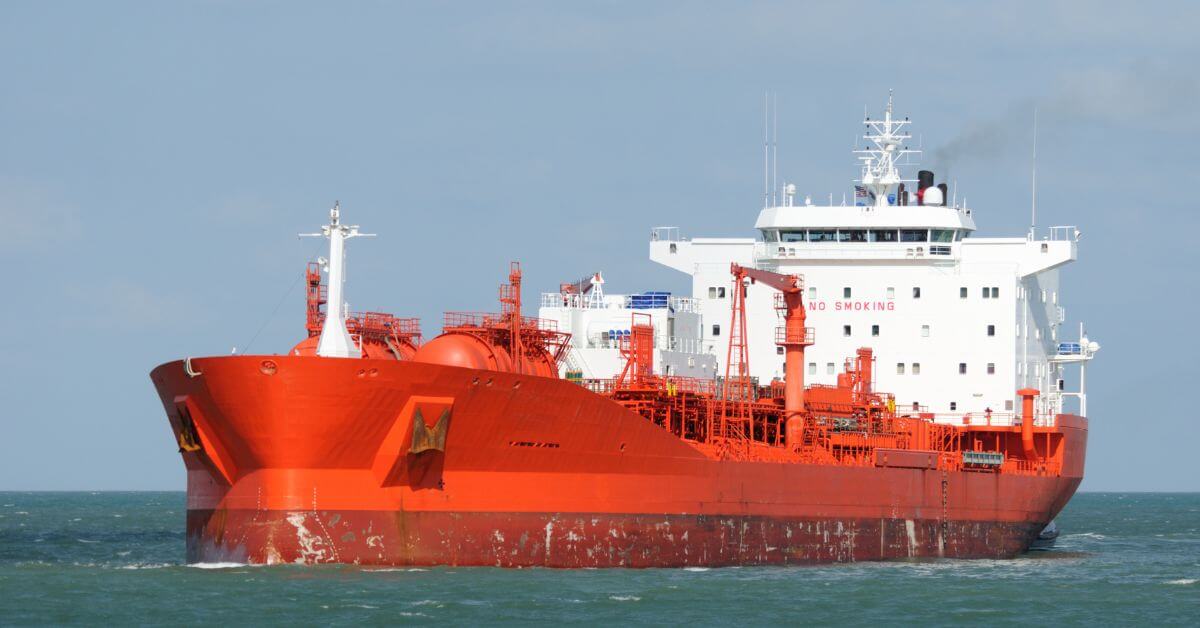
Predicting maritime ammonia leaks through a validated digital twin system
A validated digital twin now targets ammonia leaks at sea. The American Bureau of Shipping, HD Korea Shipbuilding & Offshore Engineering and Siemens are building a system that turns predictive modeling into a measurable safety layer for maritime operations. This is not theoretical. Empirical, real-time validation is what makes a digital twin useful. For related context on how vessels already gather ocean intelligence, see "Cruise fleet expands its role as a calibrated platform for ocean intelligence."
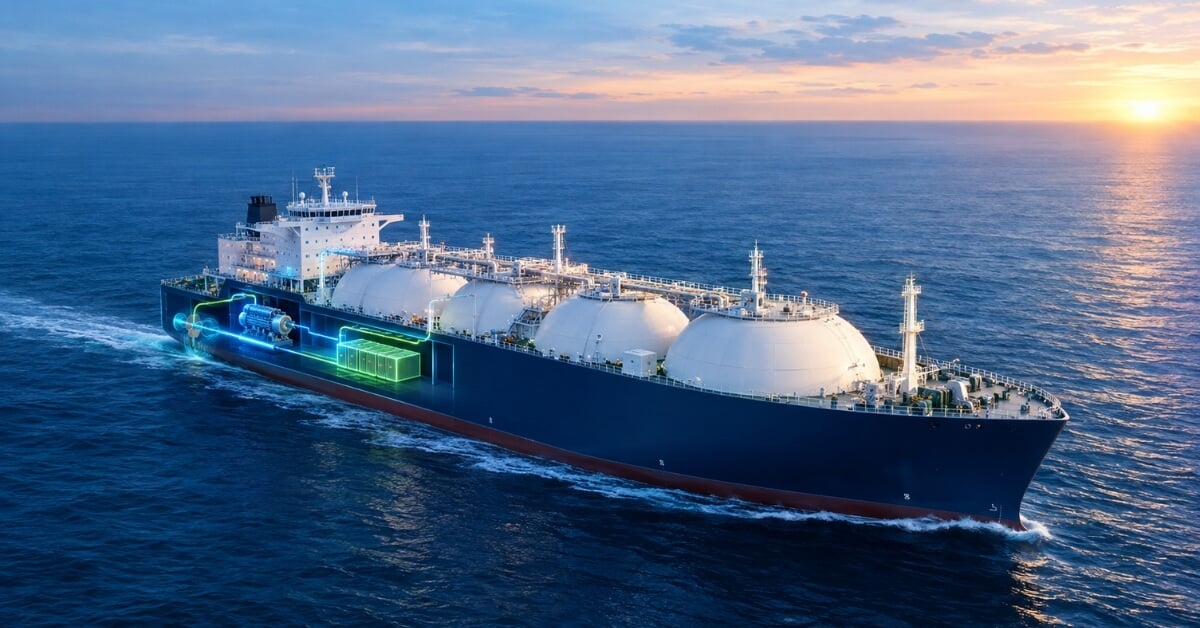
Advancing LNG Shipping: Hybrid Designs for Enhanced Efficiency and Sustainability
Hybrid electric propulsion is moving LNG carriers beyond incremental gains. Lloyd's Register, with HD KSOE and HD Hyundai Heavy Industries, is targeting a new generation of designs where efficiency and sustainability converge. This collaboration treats vessel architecture as an integrated system, not a sum of parts. For those tracking how maritime innovation addresses climate indicators, this is a measured, empirical step forward.

Integrated Carbon Capture Validates Ocean-Climate Link at Yara Facility
At Yara Sluiskil, Europe's largest ammonia and fertilizer plant now captures and liquefies up to 800,000 tons of CO₂ annually. This integrated carbon capture system validates a measurable, empirical link between industrial operations and ocean-climate indicators. It is science with purpose. For deeper context on shifting global commodity flows, see our coverage of Russian terminals adapting for grain exports. Understanding drives protection, and this facility proves the mechanism works.
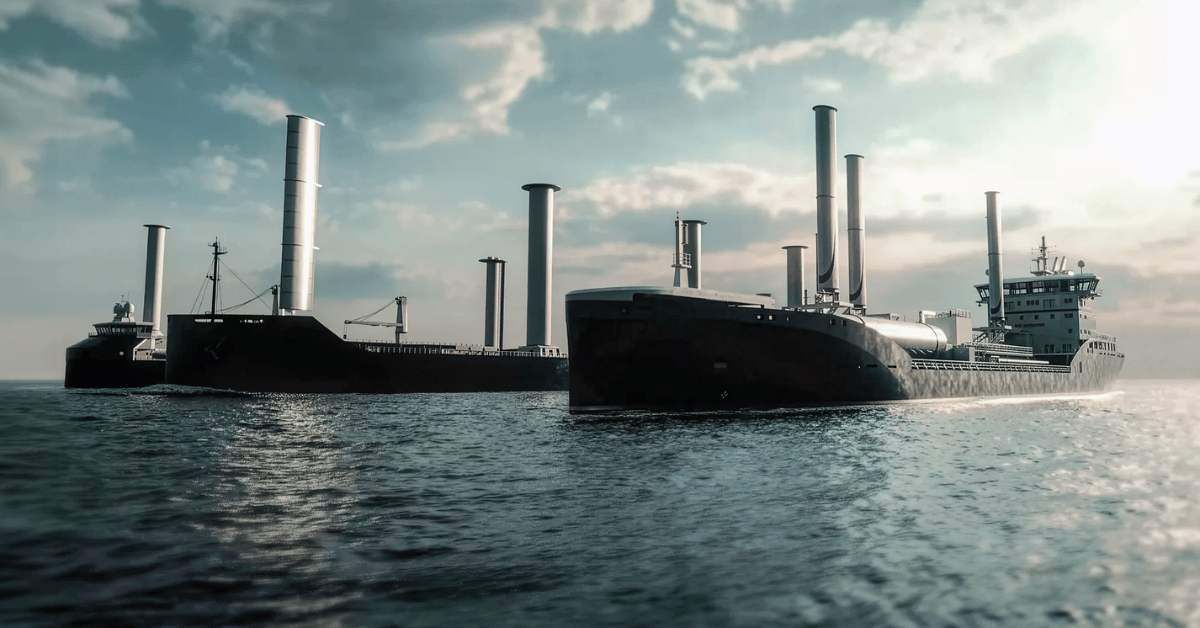
Wind-Assisted Shipping: Norway's Project Drives Fuel Efficiency and Emission Reduction
Norway's new NOK 68 million project treats wind as a measurable asset, not a romantic notion. Integrating wind propulsion directly into ship systems is a calibrated step toward validated fuel savings and real emission cuts. This is empirical progress, not hype. Understanding drives protection. For more on how integrated systems reshape ocean intelligence, see our coverage of "Integrated Subsea Cables Enhance Data Transmission Across the Indian Ocean."
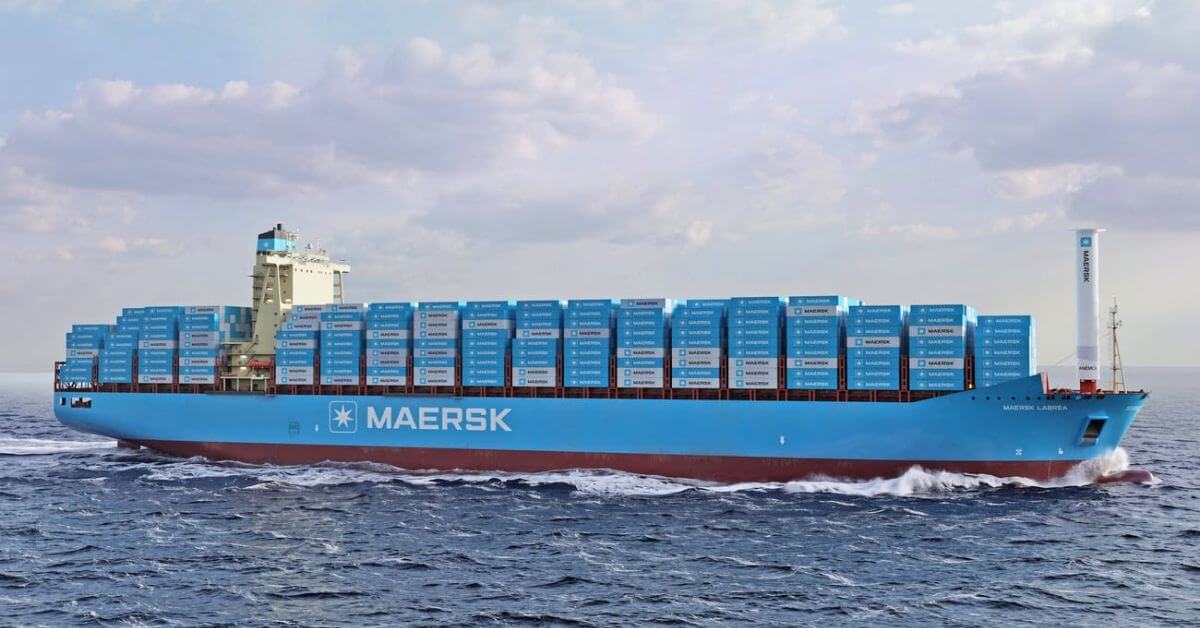
Data-Driven Wind Propulsion: Maersk Integrates Rotor Sail Technology
Anemoi has already fitted its Rotor Sail technology across bulk carriers, and now Maersk is integrating that same system into its fleet. The move signals a practical step toward measurable fuel efficiency, not a gesture. Wind propulsion is no longer a concept study; it is operational hardware earning its place beside conventional power. For readers tracking maritime risk and resilience, our coverage of the drone strike near the Strait of Hormuz shows how quickly operational realities shift.

Callao Port Integrates Shore Power, Advancing Sustainable Maritime Operations
Callao's South Terminal now runs on shore power, making it DP World's third facility to do so, alongside Canada's Prince Rupert and Vancouver ports. The move grounds maritime operations in measurable, real-time emission reductions. It is a practical step toward cleaner ports, one that aligns operational efficiency with climate indicators rather than promise. For readers tracking port electrification, our coverage of the Chattogram Port lease dispute offers a useful counterpoint on labor and governance tensions in global terminal management.

Portsmouth Port Powers Cruise Ships, Advancing Sustainable Maritime Operations
Portsmouth Port's shore power system is on track to connect three cruise vessels simultaneously later this year, a move that grounds sustainable maritime operations in measurable action. This is the kind of practical, forward-looking infrastructure the industry needs, not as a gesture, but as a working standard. Shoreside electrification cuts emissions where ships berth, and that is a tangible step. For broader context on maritime security efforts, our piece on the Coast Guard's recent cocaine interdictions offers a parallel view of ocean stewardship in action.
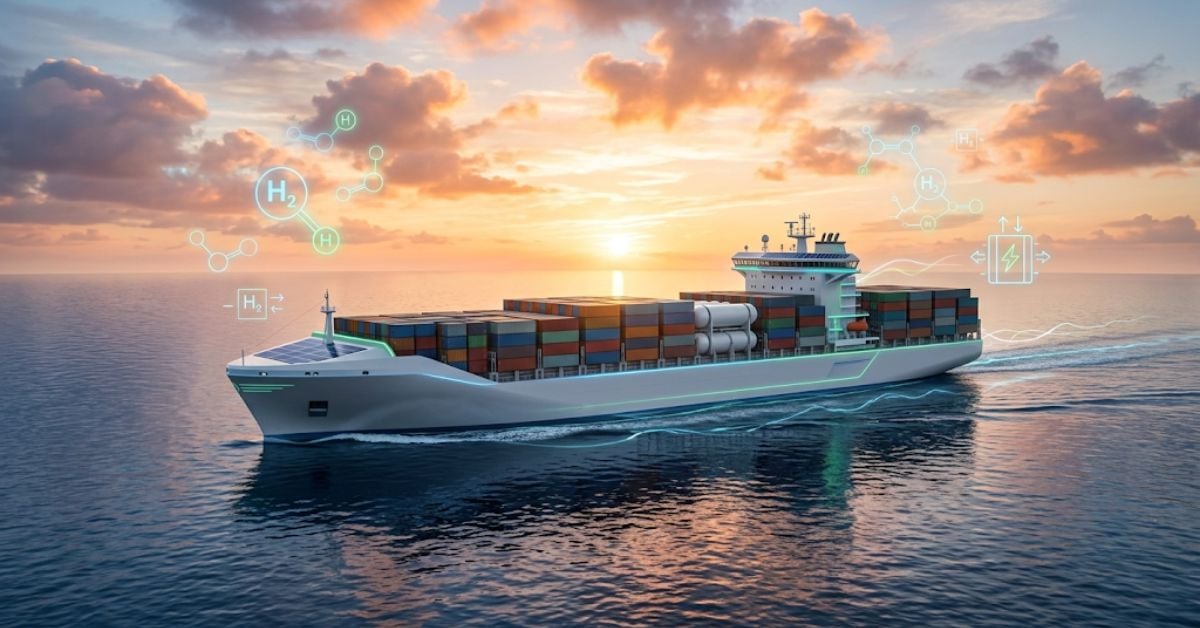
Fuel Cells Chart a Course for Decarbonizing Maritime Shipping
Fuel cells are moving from the laboratory to the load plan. As FuelEU Maritime regulations tighten, the technology is shifting from a promising concept to a commercial reality. We see this as a practical, flexible pathway for cutting emissions across the fleet. The maritime sector needs actionable solutions, and this is one that warrants close attention. For broader context on how these pressures intersect, our coverage of Integrated Ocean Governance offers a wider lens on the challenges ahead.