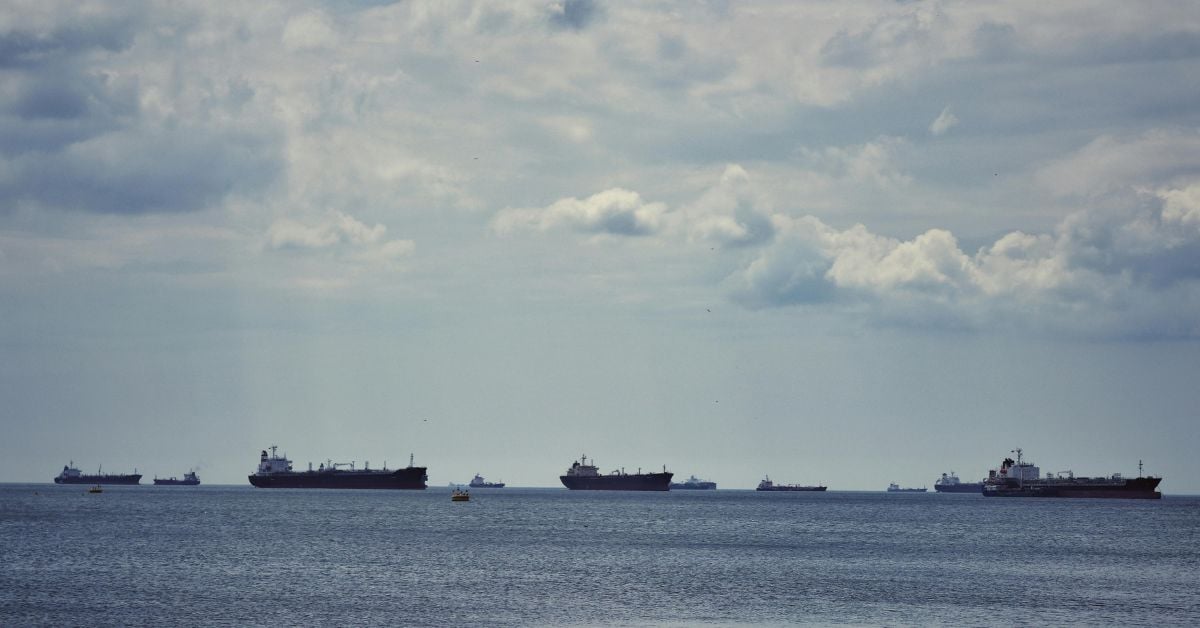
The stranding of 19 Iranian cargo vessels 24 nautical miles off Sri Lanka's coast is not a logistical footnote; it is a calibrated test of how far sanctions enforcement can stretch before maritime law and humanitarian duty collapse under the weight of geopolitical calculus. Colombo's refusal to resupply these ships, driven by the risk of U.S. penalties, is a rational decision for a nation that leaned on Washington for its IMF bailout and agricultural relief. But rational does not mean just. The crew members aboard those vessels are running out of food and fresh water, and the government's silence is a policy choice with measurable consequences.
This is where the US seizes 620,000 gallons of fuel in sanctions enforcement across two states story becomes a necessary comparison. The United States is actively interdicting Iranian fuel shipments at American ports, and it is simultaneously tracking vessels off Sri Lanka's western shores. The message to Colombo is implicit but unambiguous: assist Tehran, and your own trade infrastructure becomes a target. Sri Lanka's shipping agents and repair firms have already absorbed that lesson, refusing requests from Dubai-based intermediaries because approval processes could "risk their operations." That is not paranoia; that is the empirical reality of a sanctions regime that punishes enablers with the same severity as primary actors.
What makes this standoff more than a diplomatic headache is its ripple effect on global supply chains. These Iranian vessels are not idle pleasure craft; they carry corn and industrial equipment bound for Tehran. Their immobility disrupts food security and manufacturing inputs, which in turn feeds the kind of divergent population trajectories that reshape global climate indicators we track across regions. When a nation cannot import grain because its ships are floating prisons of sanctions compliance, the pressure does not stay local. It compounds into broader economic strain, and the data on that strain will show up in trade balances and food price indices long after the anchors are weighed.
The deeper problem is that Sri Lanka is being asked to choose between two forms of survival. The U.S. helped it through a food crisis and an IMF program; Iran remains a reliable trading partner. There is no clean answer here, and pretending otherwise would be dishonest. But there is a specific detail worth watching: the U.S. Embassy in Colombo reportedly informed local authorities they were tracking the vessels and instructed officials to tell businesses to deny resupply requests. Sri Lanka says it never received a formal warning from Washington. That gap between informal pressure and documented demand is the opening for legal challenge, and it is the exact space where a nation could argue for humanitarian exemptions under international maritime law. The crew's condition, described by repair workers who brought their own food because the sailors could not spare fresh water, is the evidence that should compel an inquiry. The question is not whether Sri Lanka will act; it is whether the U.S. will tolerate an action that is both legally defensible and morally unavoidable. Watch for the next vessel inspection report, and whether Colombo finally issues a written request for resupply on humanitarian grounds. That paper trail will define the limits of sanctions, not the rhetoric around them.