cargo ships
cargo ships at World Data Ocean is a file of 16 stories. The newest of them: “Maritime fees signal friction in trade amid climate and shipping integration”, “Malaysia restricts tanker traffic and bunkering in new Strait marine protected zone”, and “Black Sea Maritime Attacks Injure Two Indian Seafarers, Urge Immediate Action”. A $200,000 fee per Spanish cargo ship arriving at U.S. Malaysia has taken a measured but decisive step in its newest marine protected zone, restricting tanker traffic and bunkering while imposing speed limits on all vessels. A Global Hub for Ocean Intelligence 4 World Data Ocean is a centralized digital platform where researchers, scientists, and ocean enthusiasts converge to… The list below is every cargo ships story on World Data Ocean, newest first.
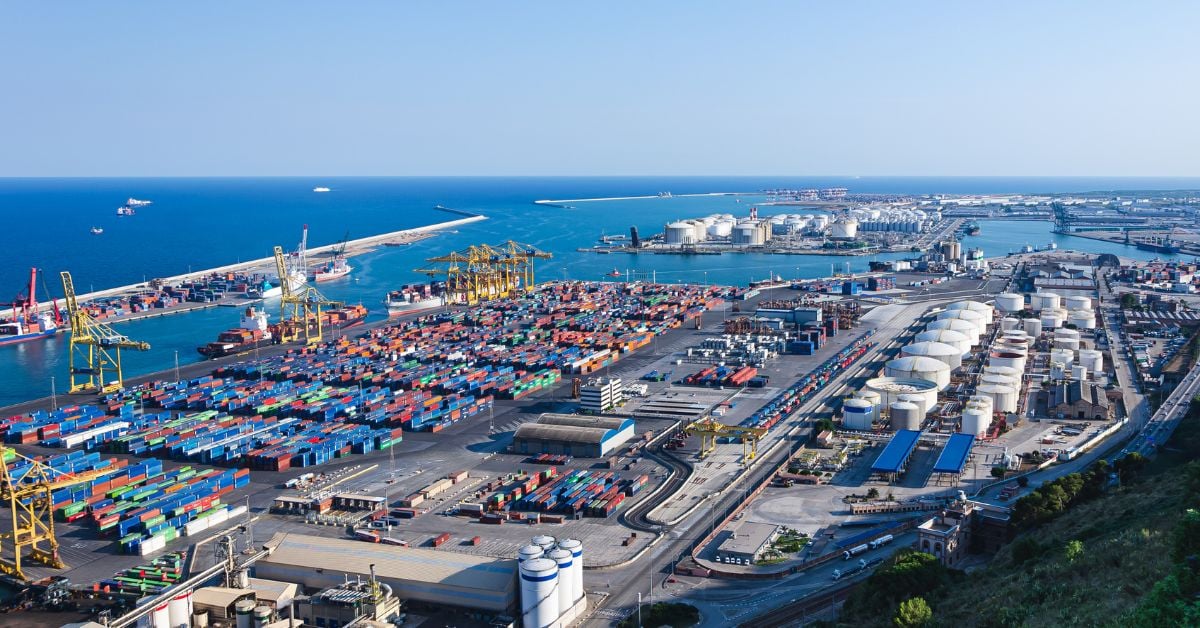
Maritime fees signal friction in trade amid climate and shipping integration
A $200,000 fee per Spanish cargo ship arriving at U.S. ports signals growing friction where maritime trade meets climate policy and shifting alliances. The U.S. Federal Maritime Commission's move injects measurable cost into a system already under pressure from sanctions enforcement and fleet integration. These rising barriers demand calibrated responses. For deeper context, our coverage of the Panama Registry's removal of three tankers tied to Iranian oil illustrates how maritime governance is tightening globally.
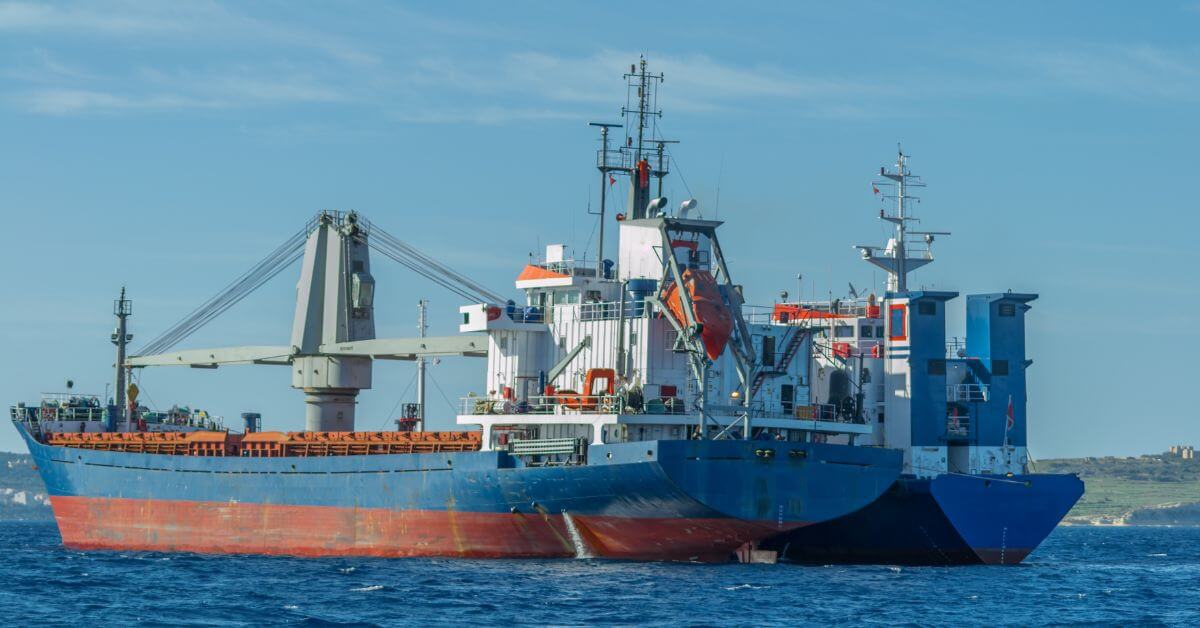
Malaysia restricts tanker traffic and bunkering in new Strait marine protected zone
Malaysia has taken a measured but decisive step in its newest marine protected zone, restricting tanker traffic and bunkering while imposing speed limits on all vessels. Large cargo ships and oil tankers are now forbidden from entering the Strait. This is a calibrated move to protect critical marine habitat without shutting down commerce entirely. For those tracking how citizen science can inform ocean policy, our piece on identifying an unidentified marine object from citizen observations in Tarifa offers a parallel example of community-driven data collection.
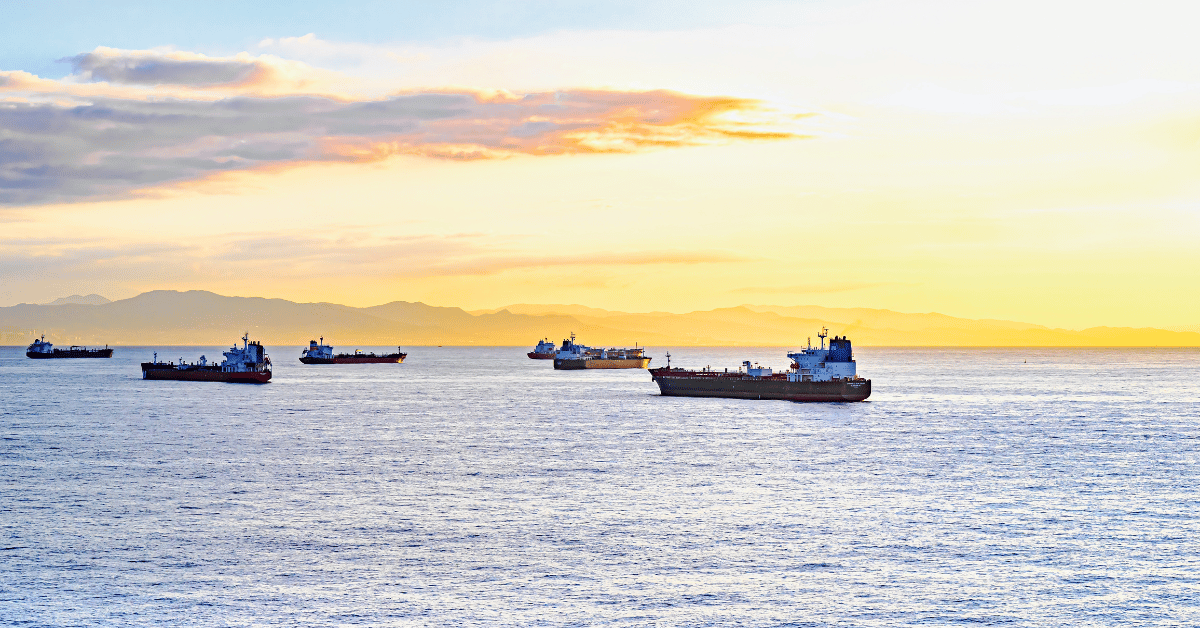
Black Sea Maritime Attacks Injure Two Indian Seafarers, Urge Immediate Action
Two Indian seafarers were injured in separate attacks on commercial vessels in the Black Sea, prompting India's Ministry of External Affairs to demand an immediate halt to hostilities. The MEA flagged a sharp escalation: four ships came under fire within 48 hours, a pattern that threatens the crew, cargo, and the region's fragile maritime order. This is not abstract geopolitics; it is measured, real-world harm. For deeper context on regional response, see our related piece on India's proposed maritime truce.
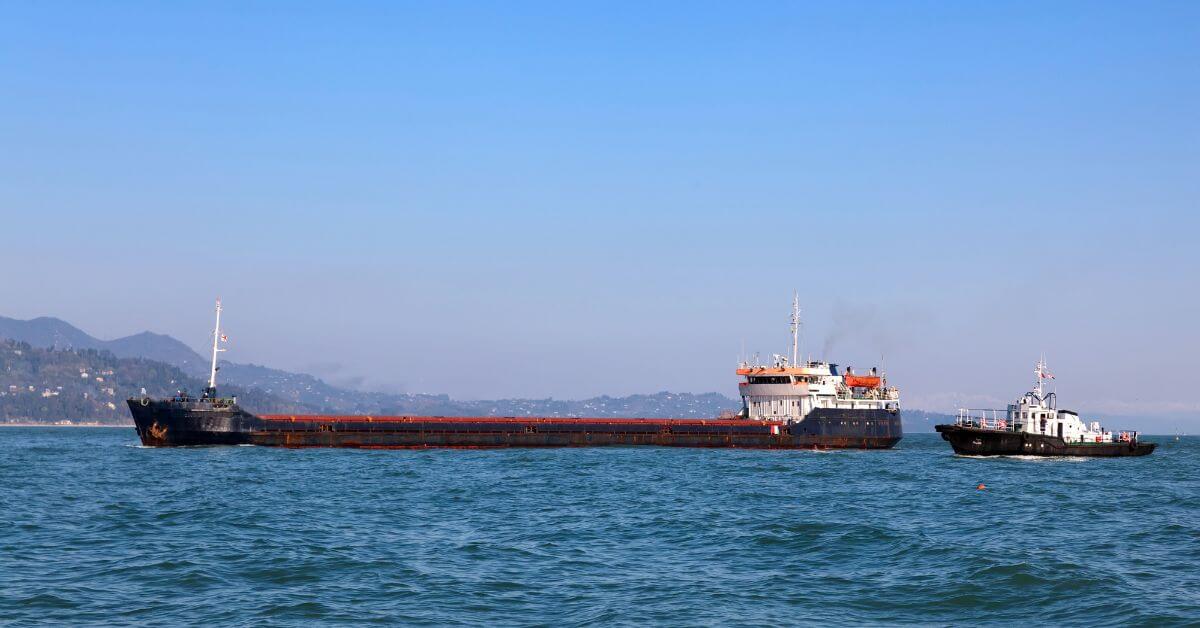
Collision in Valderhaugfjorden Triggers Maritime Detainment for Investigation
A collision involving three vessels in the narrow waters of Valderhaugfjorden, near Ålesund, has triggered a formal maritime detainment for investigation. Such incidents in constrained channels demand precise, empirical analysis of navigational data and human factors. The event underscores the persistent risks in congested sea lanes. For a parallel examination of maritime security challenges, our coverage of the delayed reports confirming five IRGC vessel incidents in the Strait of Hormuz offers further context.
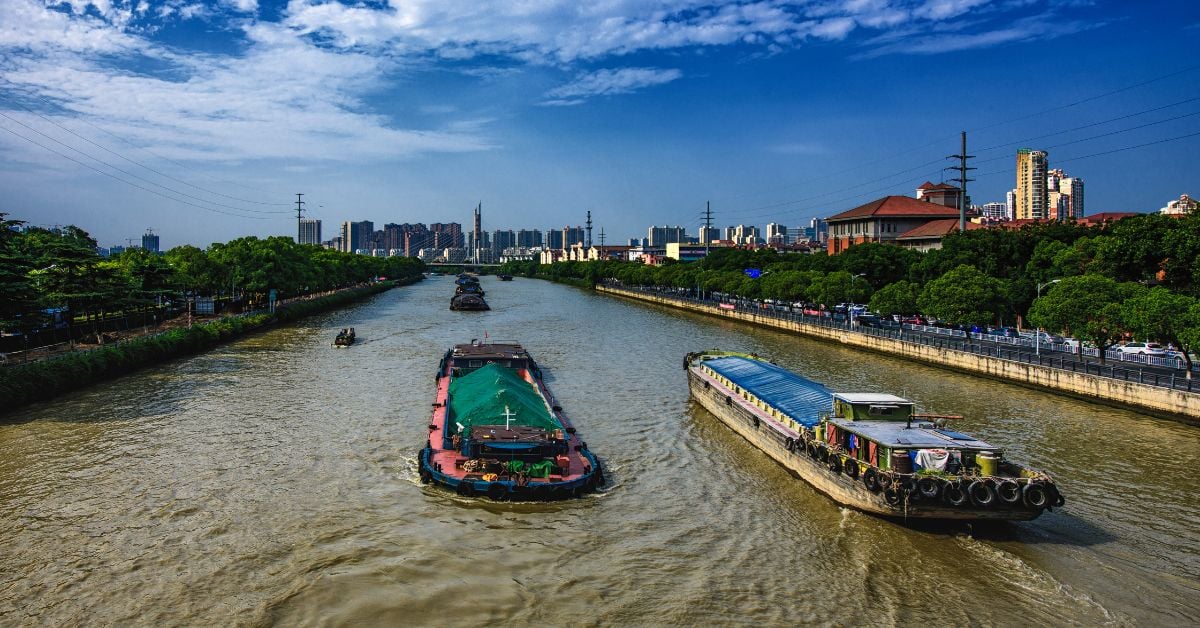
Integrated waterway connects China’s interior to Southeast Asian trade routes.
The Pinglu canal is engineered for ships up to five thousand tonnes, a scale that speaks to its ambition. It will carve a direct line from China's interior to Southeast Asian markets, trimming over 5 billion yuan in annual shipping costs. That is not a marginal efficiency; it is a structural shift in regional logistics. We see this as a deliberate move toward integrated waterway intelligence.
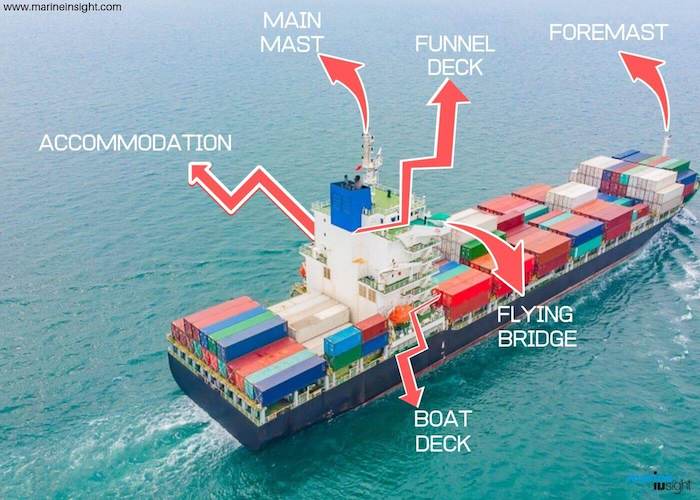
Understanding Ship Anatomy: Key Components and Maritime Terminology
A ship's anatomy is a study in precision, where every component from bow to stern serves a purpose. The hull provides the foundation, the deck frames operations, and the bow and stern define direction and stability. Understanding these elements is not just technical knowledge; it is the language of maritime safety and efficiency. We break down the core parts and essential terminology clearly.
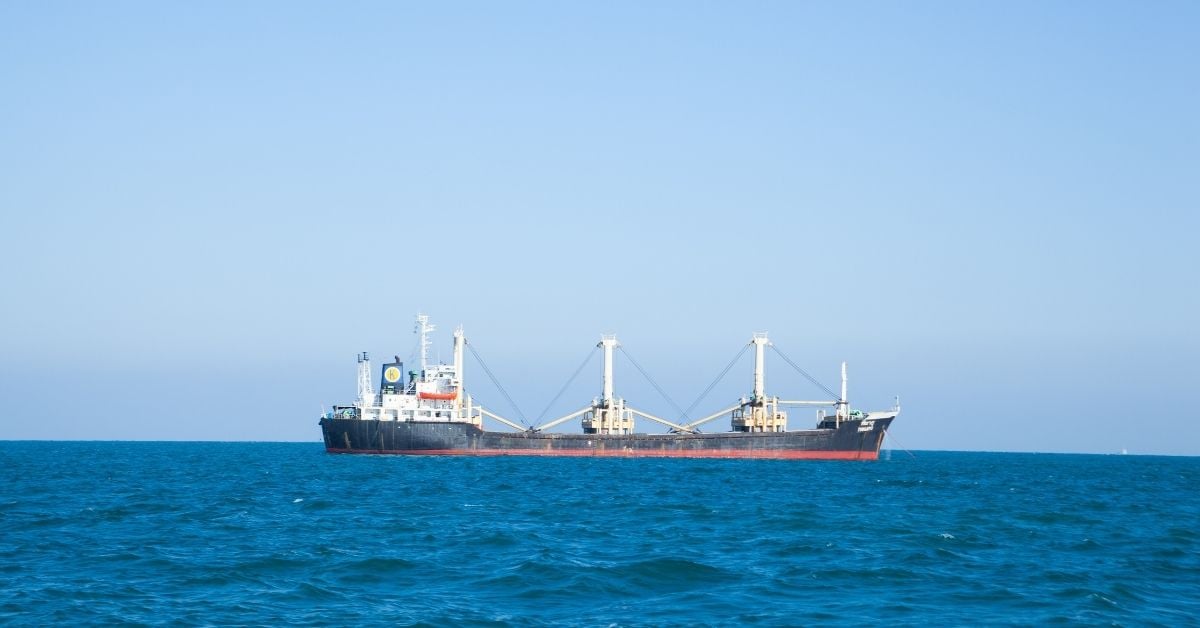
Joint Forces Intervene: Maritime Security Operation Frees Hijacked Vessel
The Turkish Navy and Somalia's Armed Forces concluded a decisive 10-day operation, neutralizing 14 pirates and freeing a hijacked vessel. This is what coordinated maritime security looks like when measured action meets clear objectives. The operation underscores a practical truth: effective ocean stewardship requires persistent, joint commitment, not just policy. For broader context on regional maritime pressures, our related coverage on Gulf of Oman STS transfers offers valuable perspective. This success signals a calibrated, reliable approach to protecting vital sea lanes.
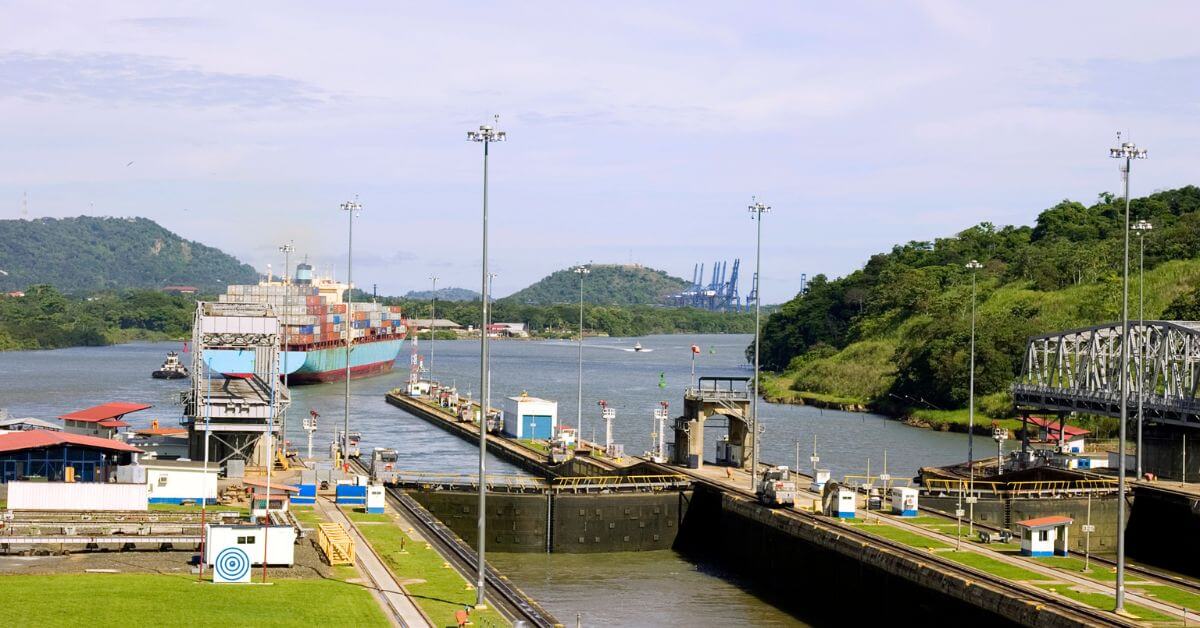
Record Canal Transit Fee Reflects Growing Demand for Ocean Routes
A $5.3 million bid for a single Panama Canal transit slot signals more than deep pockets; it reflects a strategic response to tightening global routes. SK Gas has secured passage for its LPG carrier G. Spirit on Sept. 1, paying a premium that underscores the growing value of reliable ocean corridors. This is the cost of certainty in a constrained system. As demand intensifies, such investments become necessary.

Attacks Target Key Ukrainian Black Sea Port Infrastructure.
Russia's latest strikes on Ukrainian Black Sea port infrastructure, including Pivdennyi and Odesa, along with fuel storage at Chornomorsk, underscore a deliberate strategy to disrupt maritime export capacity. These are not incidental hits; they are calibrated pressure on a critical economic artery. The pattern echoes broader efforts to constrain Ukraine's access to global markets, as seen in our related piece, "Russia Calibrates Export Revenue for Northern Sea Route Icebreaker Fleet." For now, the resilience of these ports remains the counterweight to Moscow's campaign.

Validated Practices Enhance Cargo Tank Cleaning Safety and Efficiency
Cargo tank cleaning carries hidden risks that demand more than trial and error. ChemServe and Witherby Publishing Group have answered with a new handbook grounded in validated practices, offering operators a clear path to safer, more efficient procedures. This is practical guidance for a high-stakes operation, and we support it. For broader context on maritime infrastructure gains, our coverage of the integrated waterway connecting China's interior to Southeast Asian trade routes is worth a look.

Connecting Inland Rivers: China's Pinglu Canal Project Advances.
Guangxi's Pinglu Canal is set to open, and with it comes a direct line from inland rivers to the sea. This is infrastructure with a purpose: it shortens routes, cuts logistics costs, and ties southern China more tightly to global trade flows. The project is a practical step toward integrated river-sea connectivity, not a symbolic one. For readers tracking regional shifts, our coverage of record port activity reflects the same momentum.

Black Sea Maritime Traffic Targeted in Coordinated Russian Strikes
Russia's overnight strike on Black Sea maritime traffic was a coordinated display of reach, with missiles launched from land, sea, and air alongside strike drones. The Defence Ministry's account confirms a deliberate escalation aimed at ports and vessels, a pattern that demands measured scrutiny. This is not hyperbole; it is the reality of contested waters. For broader context on how Moscow sustains such operations, our related piece on Russia's Northern Sea Route icebreaker funding offers a telling glimpse into its strategic priorities.

Norwegian Star's Arrival Highlights Aberdeen's Growing Cruise Capacity
The Norwegian Star's arrival in Aberdeen's South Harbour, carrying 2,366 guests from Newhaven, signals more than a routine call. It marks a measurable expansion of Scotland's maritime infrastructure, a development worth tracking closely. As cruise capacity grows, so does the need for integrated port intelligence that supports both economic vitality and environmental responsibility. This is not isolated growth; it parallels broader ocean security efforts, such as those detailed in our coverage of recent Coast Guard interdictions.

Asia Sees Seven-Year Low in Ship Robberies During First Half of 2026
Armed robbery against ships in Asian waters fell to its lowest level in seven years during the first half of 2026, a measurable sign of progress in maritime security. The decline validates sustained patrols and regional coordination, though it is no cause for complacency. Fewer incidents mean safer sea lanes, but the trend must hold across a full year to carry real weight. For broader context on regional naval strategy, our coverage of India's expanded fleet projections offers a useful counterpoint.

Trade Focus Alters Transit Fees in Gulf Region
President Trump's plan to pivot toward direct trade and investment agreements with Gulf allies signals a calculated shift in regional economics. By prioritizing bilateral deals, the administration aims to recalibrate transit fees and commercial leverage, a move that could yield mutual gains if executed with precision. The timing is telling, given the strain on Gulf of Oman STS transfers, as detailed in our related coverage. Trade policy here is not abstract; it is measured in barrels, routes, and renegotiated terms.

Ukraine’s Naval Strikes Target Russian Shipping, Disrupting Maritime Trade
Ukraine's latest naval strikes hit five tankers, five dry cargo ships, and a tugboat under Operation "MoLoChKa," a direct challenge to Russian shipping lanes. The action underscores how maritime trade has become a battlefield lever, not just a logistical footnote. It is a calibrated escalation, measured in hulls and cargo holds, aimed at disrupting supply lines that fuel the war effort.