autonomous underwater vehicles
World Data Ocean keeps autonomous underwater vehicles in one place: 35 stories so far. The section currently leads with “Glider acoustics reveal ocean front dynamics shaping zooplankton and fish migration”, “Counter-Drone Electronic Warfare Now Protects Guided-Missile Submarine USS Ohio”, and “A mothership for underwater drones signals a new era in ocean intelligence”. Autonomous glider acoustics now offer a validated, high-resolution window into ocean front dynamics. The USS Ohio now carries counter-drone electronic warfare capabilities, marking a measured evolution in undersea force protection. A Global Hub for Ocean Intelligence 4 World Data Ocean is a centralized digital platform where researchers, scientists, and ocean enthusiasts converge to… The list below is every autonomous underwater vehicles story on World Data Ocean, newest first.

Glider acoustics reveal ocean front dynamics shaping zooplankton and fish migration
Autonomous glider acoustics now offer a validated, high-resolution window into ocean front dynamics. By equipping a Slocum glider with multi-frequency sensors, researchers captured biophysical patterns that traditional ship surveys miss, revealing how upwelling fronts shape the vertical distribution of zooplankton and fish. This integrated data ecosystem, confirmed against ship-based observations, proves that autonomous platforms can reliably chart these complex, real-time interactions. For deeper ocean intelligence, see our coverage of "Retrofitting the Fleet: Measurable Steps Toward a Decarbonized Ocean."
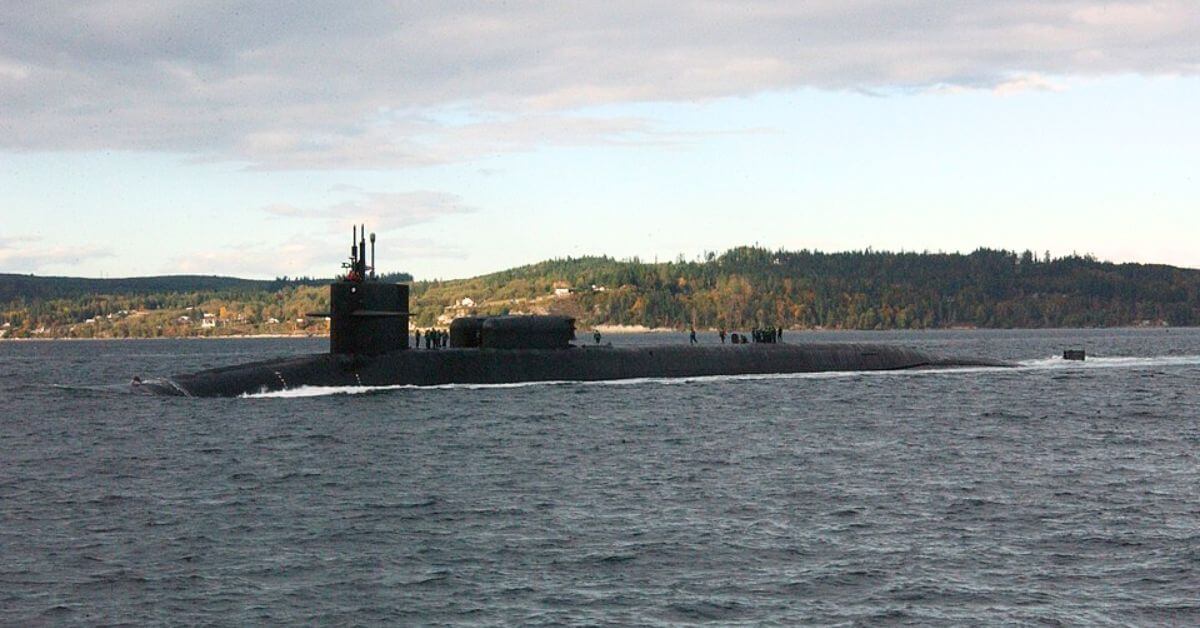
Counter-Drone Electronic Warfare Now Protects Guided-Missile Submarine USS Ohio
The USS Ohio now carries counter-drone electronic warfare capabilities, marking a measured evolution in undersea force protection. A guided-missile submarine's value has always depended on stealth and precision; adding layered defense against uncrewed threats reflects a realistic assessment of modern battlespace risks. The Navy continues integrating validated, real-time systems across its fleet, from forward-deployed destroyers to strategic assets. Readers tracking allied uncrewed target engagement in the Gulf of Bothnia will recognize the pattern: maritime defense is adapting, empirically, to what drones have changed.
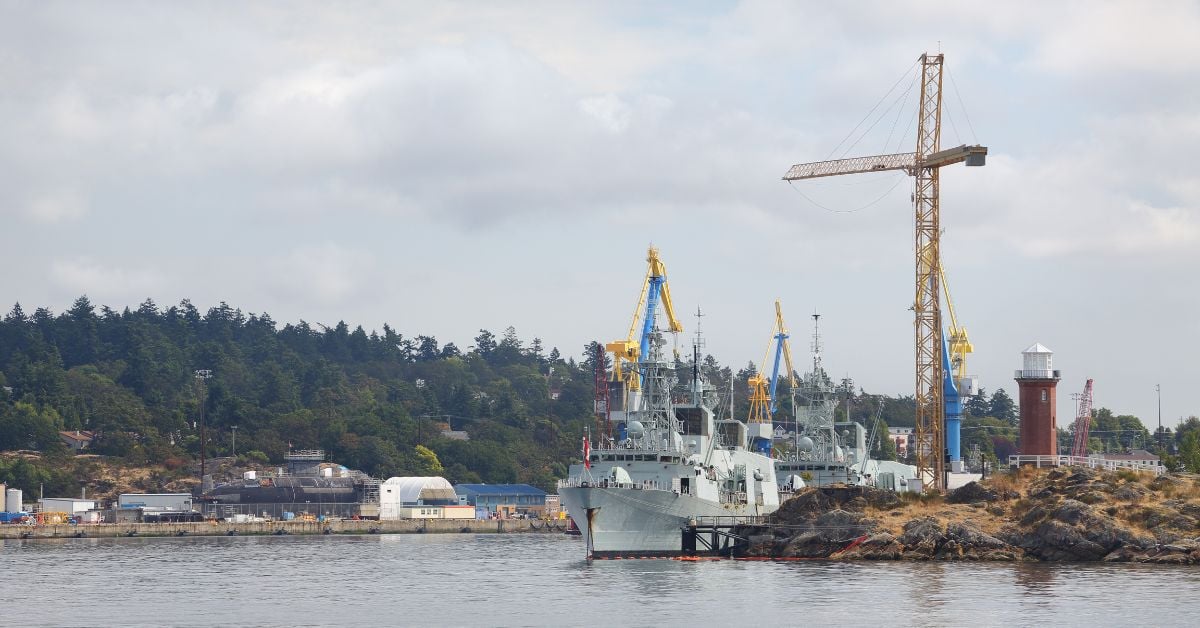
A mothership for underwater drones signals a new era in ocean intelligence
A 5,000-ton mothership designed to deploy underwater drones is taking shape in Beijing, signaling a new era in ocean intelligence. This vessel represents a calibrated leap in our capacity for real-time, integrated data collection from the sea. Understanding drives protection, and this platform promises to deliver the empirical, validated observations we urgently need. For deeper context on autonomous observation, see our coverage of the "4500-Meter Autonomous Robot Extends South China Sea Observation Reach."
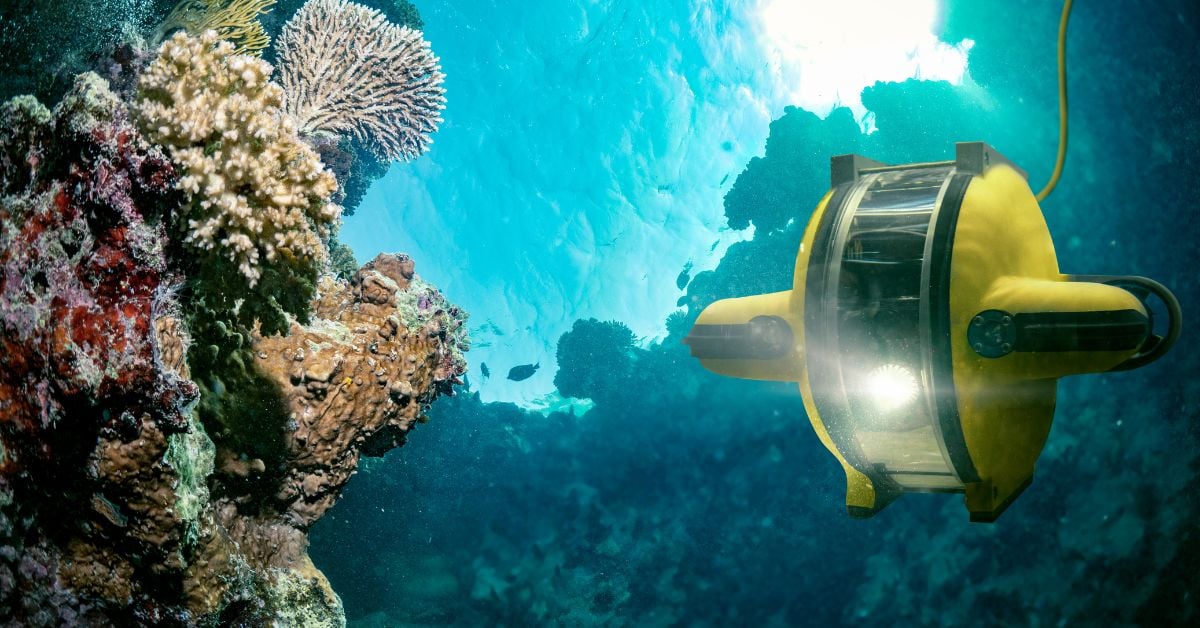
4500-Meter Autonomous Robot Extends South China Sea Observation Reach
China's new autonomous robot operates at depths of 4,500 meters, extending our observational reach into the South China Sea. This is measurable progress, empirical, validated engineering that adds real-time data from a region critical to climate indicators. The robot doesn't alarm; it informs. Understanding drives protection. For deeper context on naval ocean intelligence, see our coverage of the second U212NFS submarine's keel-laying. From the ocean floor to the surface, the integrated data ecosystem grows.
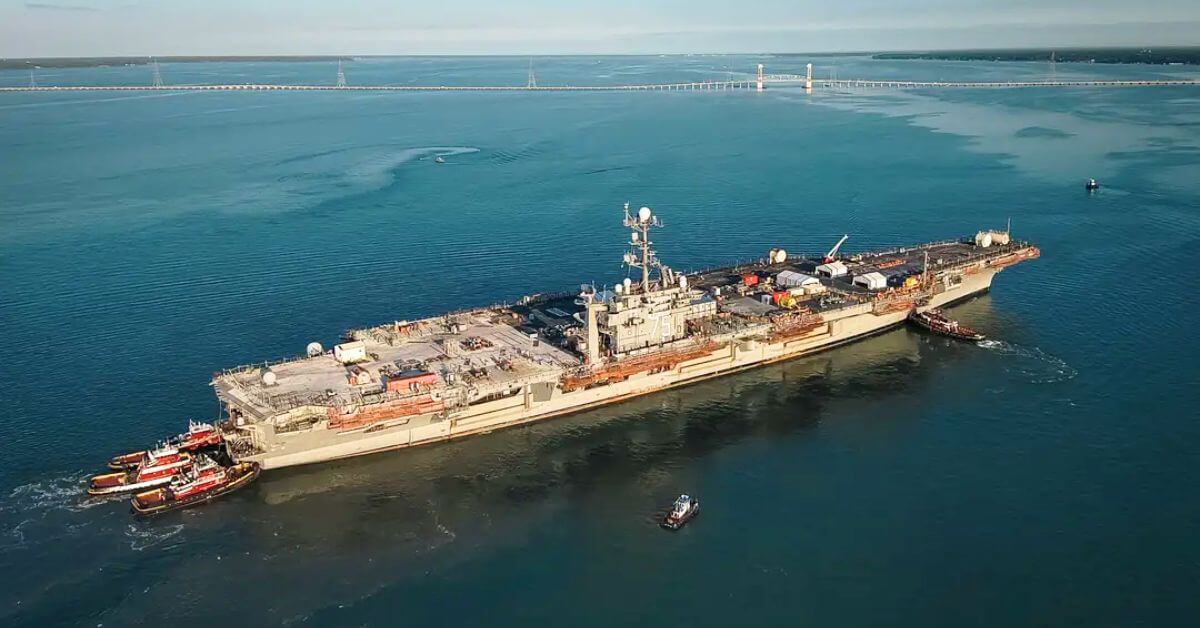
A $5.1 Billion Overhaul Begins for Carrier Truman at Newport News
The USS Harry S. Truman has arrived at Newport News Shipbuilding for a nearly $5.1 billion overhaul, a measured, necessary investment in sustained naval readiness. This refueling and complex overhaul ensures the carrier remains operational for another half-century, a validation of long-term strategic planning. Such commitments to maintaining existing platforms are as critical as developing new capabilities, a theme explored in our coverage of next-generation naval aviation.
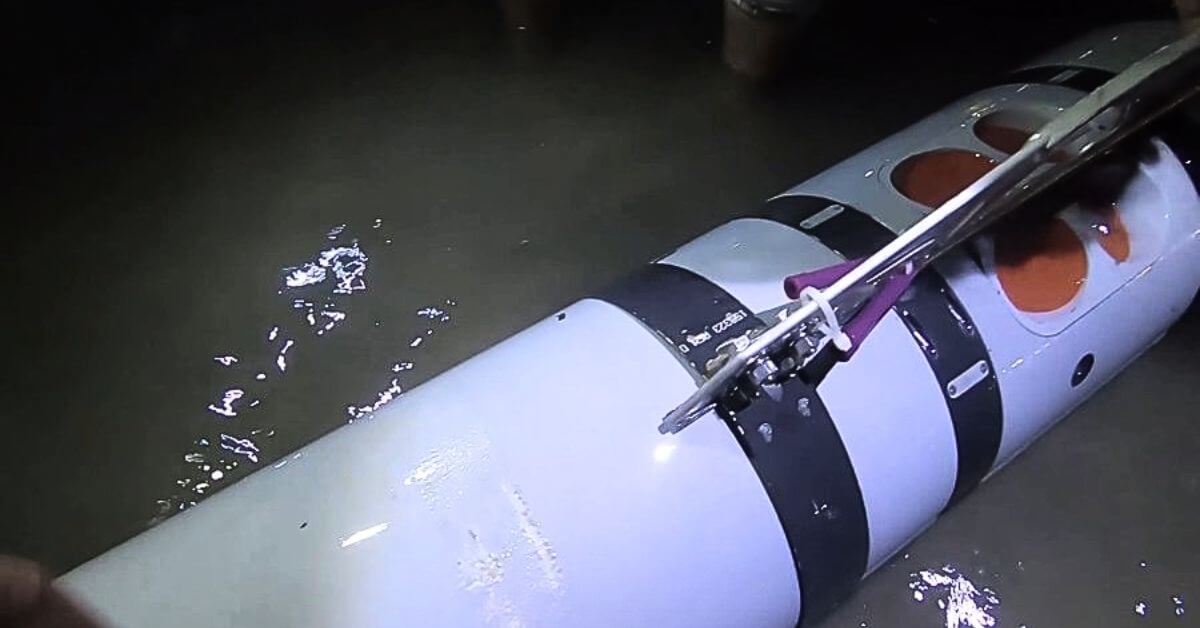
Second US underwater drone reported seized in Strait of Hormuz
Iran's Islamic Revolutionary Guard Corps Navy claims to have seized a second US military underwater drone in the Strait of Hormuz. This is a measurable escalation in a waterway where tensions are already calibrated to the breaking point. Validated reporting on these incidents is essential, not alarmist speculation. For broader context on maritime pressures in this region, readers may explore our related coverage of Gulf of Oman STS transfers. Understanding these events demands empirical clarity, not reaction.
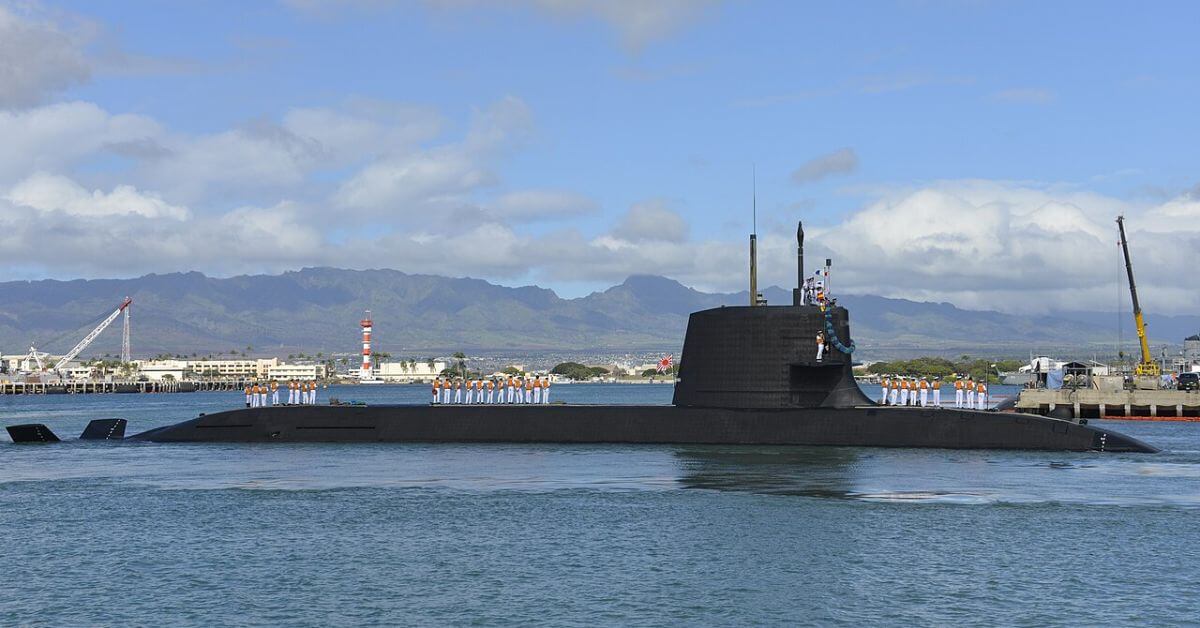
Quantum Sensors on Drones Enhance Underwater Surveillance Capabilities
Quantum sensors mounted on low-cost drones could bring a new layer of precision to underwater surveillance, operating directly from warships near the sea surface. This is practical innovation with measurable impact. The approach pairs validated technology with operational simplicity, strengthening maritime awareness where it matters most. For broader context on regional maritime pressures, our coverage of Gulf of Oman STS transfers offers useful perspective. Understanding drives protection, and this capability moves that principle closer to real-world deployment.
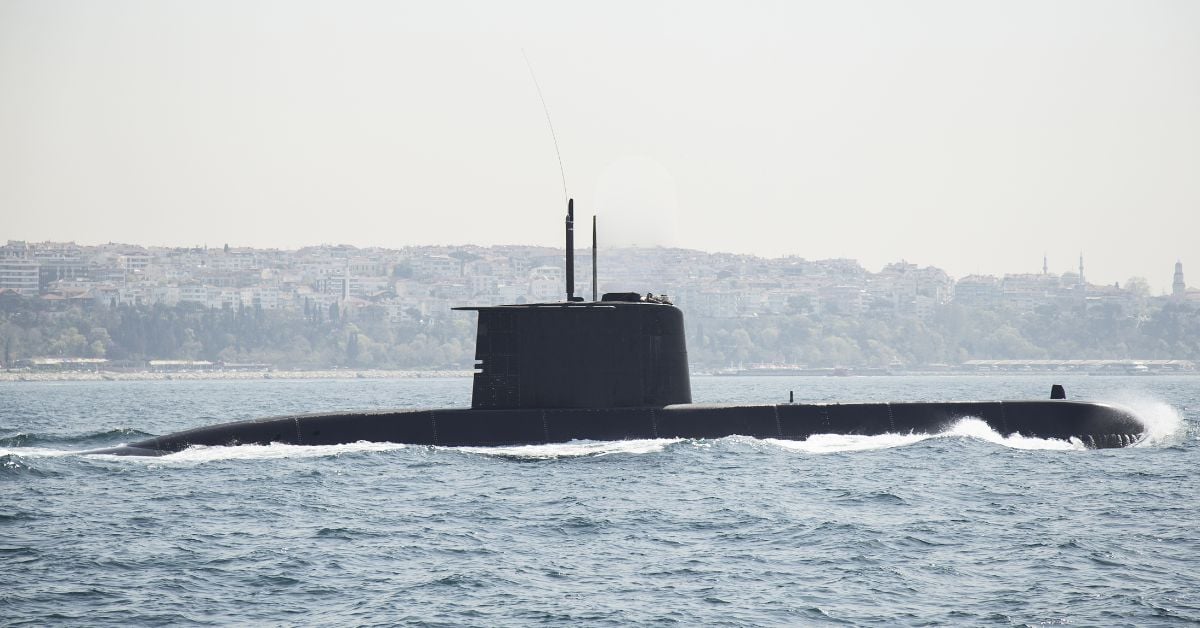
Autonomous Drone Encounter Highlights Growing Maritime Technology in the Hormuz Strait
The underwater drone detected near the Hormuz Strait is likely Anduril's Dive-D, a calibrated, autonomous system built for defense. This sighting underscores a measurable shift: maritime technology is no longer confined to surface vessels. Empirical observation of such platforms matters, because understanding drives protection. For deeper context on regional shipping pressures, see our coverage of "Gulf of Oman STS Transfers Max Out Amid Rising Saudi Oil Exports." The strait's future demands integrated, peer-reviewed intelligence, not alarm.
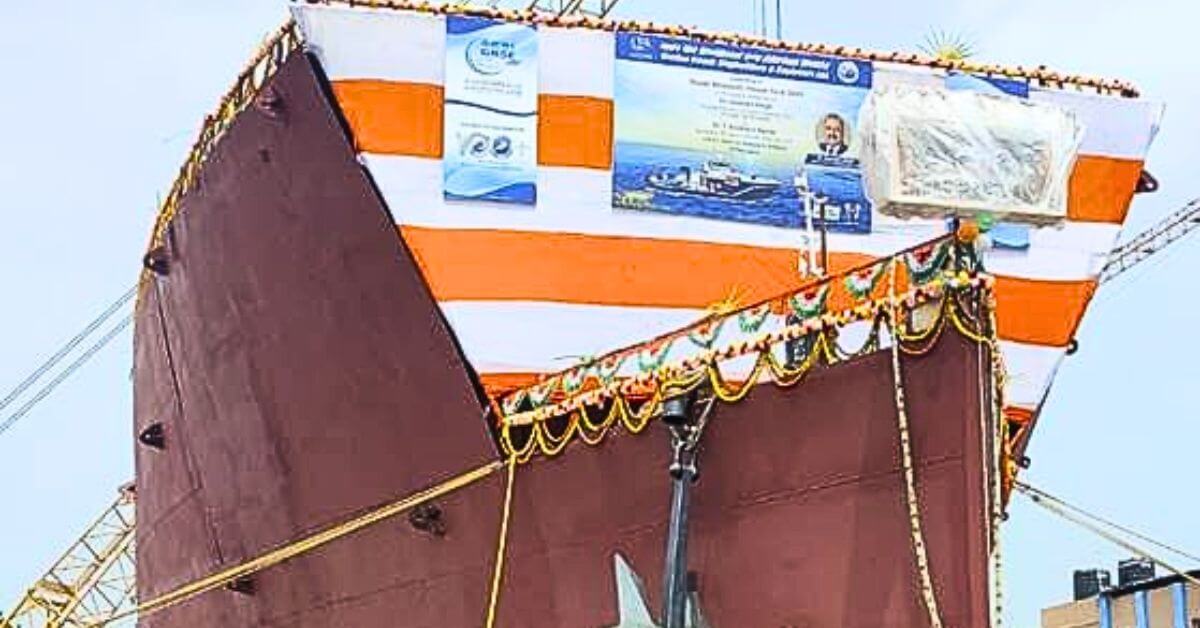
Advancing Ocean Intelligence: Indian Navy Launches ORV Sagar Manthan
The Indian Navy's launch of ORV *Sagar Manthan* at Rishi Bankim Shipyard marks a calibrated step forward for ocean intelligence. This state-of-the-art research vessel will strengthen our capacity for empirical, real-time observation of climate indicators. Understanding drives protection, and this vessel delivers the integrated data ecosystem we need. For another perspective on how subsea infrastructure supports such missions, see our article on integrated subsea cables enhancing data transmission across the Indian Ocean.
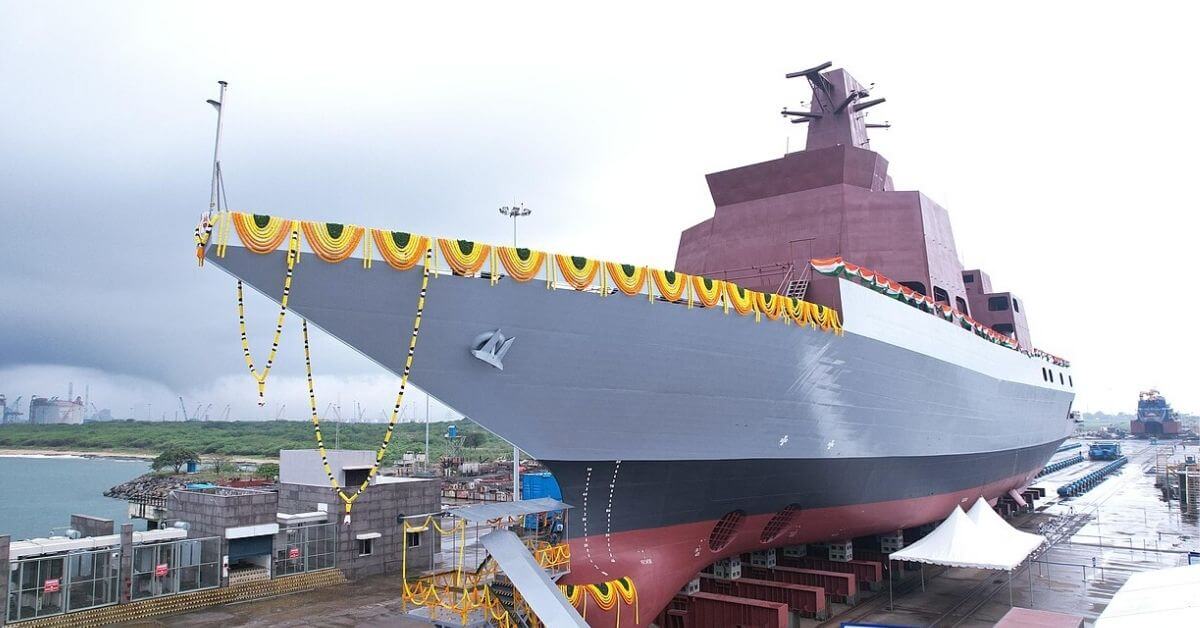
Advancing Maritime Capabilities: India's New Multi-Purpose Vessel Deploys.
India's new multi-purpose vessel brings a practical edge to maritime training, launching and recovering aerial, surface, and underwater targets for gunnery and anti-submarine exercises. That capability matters: realistic drills depend on reliable assets, not just theory. It is a measured step toward readiness, consistent with the Indian Navy's broader push to expand its fleet by 2040-2045, as outlined in our piece on India's projected naval growth. Calibrated investment like this keeps capabilities honest and operational.

Autonomous Vessel Launches Fleet for Ocean Data Collection.
One autonomous vessel has proven it can serve as a mobile command hub, deploying and supporting multiple autonomous assets during a single mission. The trial demonstrates a practical step toward scalable ocean data collection, where one platform coordinates a fleet of instruments in real time. This is the kind of integrated capability that turns raw marine data into actionable intelligence. For more on related maritime innovation, our coverage of the Indian Navy's ORV Sagar Manthan offers useful context.
Optimized Image Filtering Streamlines Underwater Seabed Mapping
Underwater robots capture thousands of overlapping images during seabed surveys, but most of that visual data is redundant. This methodology filters out the noise, decoding and rectifying images before discarding those that add nothing new. The result is a 49.91% reduction in image load and a 30% faster processing time, all while keeping feature persistence above 0.97. That is efficient, measurable, and practical. For those interested in how we scale ocean observation, our piece on integrating citizen science offers a complementary view.

Autonomous Vehicle Launches Payload Underwater, Marking a Technological Advance.
A submerged payload launch is a hard problem, and Raytheon and Composite Energy Technologies just demonstrated it with the HADALUS unmanned undersea vehicle. The test proves that autonomous platforms can handle complex, high-stakes operations below the surface without direct human control. That is a meaningful step for undersea warfare, where reliability is everything. For readers tracking broader progress, our coverage of the Navy's new integration center for autonomous systems offers useful context on where this technology is headed.

AI-Driven Mine Sweeping: South Korea Advances Autonomous Naval Technology
South Korea's recent mine-sweeping exercise in Busan, led by Hanwha Systems, signals a deliberate step toward autonomous naval operations. This is not about replacing crews outright but about reducing risk where it matters most. The integration of AI into such precise, high-stakes tasks reflects a broader momentum across allied navies, as seen in the US Navy's push for autonomous systems integration. Measured, empirical progress like this strengthens maritime security without the hype.

Autonomous Robotics to Bolster U.S. Mineral Supply Chain from the Ocean
The ocean floor holds minerals the U.S. supply chain cannot afford to ignore, and a new hub is stepping in to secure them. Autonomous robotics will take on the extraction work, reducing our reliance on foreign-controlled sources with measurable precision. It is a practical move, driven by the same logic that guides our broader push for ocean intelligence. For those tracking how this fits with defense priorities, our article on Navy Accelerates Autonomous Systems Integration offers useful context on the operational side.
Coordinated Robotics Expand Oceanographic Data Collection Capabilities
Recent advances in multi-robot systems are fundamentally reshaping oceanographic data collection. Autonomous missions now offer increased spatial coverage, extended durations, and safer access to challenging environments compared to traditional ship-based methods—all while significantly reducing costs. Unique oceanic conditions—a dynamic 3D fluid environment, communication limitations, and extended mission lengths—demand specialized coordination strategies. Our analysis contextualizes terrestrial and aerial robotics advancements within these oceanographic requirements, spanning surface, deep-sea, and transitional applications.

Rasa: Pioneering Green Hydrogen Waste Collection for a Cleaner Ocean
A significant advancement in ocean stewardship has occurred with the launch of *Rasa*, the world’s first waste collection vessel, at the Port of Klaipeda. Measuring 42 meters, this innovative ship is uniquely powered by both green hydrogen and electricity, representing a crucial step toward sustainable port operations. This development underscores the growing importance of technological solutions for ocean health, aligning with World Data Ocean’s commitment to integrated data ecosystems.

Enhanced Maritime Intelligence: Philippines Gains Advanced Ocean Data Collection Capabilities
The Philippine Navy has significantly enhanced its maritime domain awareness capabilities with the receipt of four Autonomous Underwater & Surface Vehicles (AUSVs) from the United States. These Triton AUSVs, detailed by the U.S. Embassy, leverage a mesh network to collect critical data both above and below the ocean surface, bolstering real-time ocean intelligence. This strategic deployment underscores the importance of integrated data ecosystems for regional security and environmental monitoring.

Sustained Naval Readiness: HII Secures Long-Term Maintenance Contract.
The U.S. Navy has awarded Huntington Ingalls Industries (HII) a significant $418 million contract to ensure the continued operational readiness of its aircraft carriers and amphibious ships. This longitudinal commitment, extending through June 2031, encompasses maintenance and support activities conducted both within the United States and at overseas naval bases. This investment underscores the Navy’s dedication to maintaining a robust and globally responsive fleet.

Expanding Naval Capacity: India Commissions Three New Warships.
The Indian Navy is poised to significantly bolster its maritime capabilities with the imminent commissioning of three frontline warships, marking a rare event – only the second such instance in recent years. This strategic move underscores India's response to China's expanding presence in the Indian Ocean. These new platforms represent a validated investment in national security and ocean intelligence, supporting calibrated naval operations.

Expanding Maritime Intelligence: Navy Integrates Submersibles and Underwater Drones
The U.S. Navy is advancing its covert maritime operations by testing SEAL-operated submersibles integrated with underwater drones. This strategic initiative aims to enhance the safety and operational range of SEAL teams while minimizing risks in heavily defended maritime zones. By leveraging cutting-edge technology, the Navy seeks to redefine the parameters of covert missions. For further insights into military advancements, explore our article "Indian Navy To Induct 45 Warships In Next Four Years, Targets 200-Ship Fleet By 2035."

Monitoring the Indo-Pacific: China Expands Undersea Sensor Network.
China is developing an extensive network of undersea sensors in the Pacific Ocean aimed at tracking U.S. Navy nuclear submarines, strengthening its sea-based nuclear deterrent. This initiative underscores the growing strategic competition in the Indo-Pacific region as nations enhance their maritime capabilities. The deployment of these sensors reflects a commitment to advanced maritime surveillance technologies. For further insights into the evolving landscape of naval technology, explore our article on Hanwha Ocean's discussions with Microsoft and Google regarding future AI warships.

Navy Integrates Orca UUVs: A Shift in Indo-Pacific Maritime Strategy
The U.S. Navy has officially transitioned the Boeing Orca Extra Large Unmanned Underwater Vehicle from an experimental prototype to a key component of its fleet acquisition strategy, reflecting a strategic shift to enhance maritime capabilities in the Indo-Pacific region amid rising tensions with China. This investment in 16 Orca drones underscores the Navy's commitment to integrating advanced technology in its operations. For further insights into maritime strategies, explore our article on "India Launches $1.

Extended Endurance: Autonomous Submarine Monitors Strait of Hormuz for Months.
A European defense technology company has unveiled the world's largest, longest-endurance unmanned submarine, capable of operating underwater for up to four months. This advanced drone submarine can efficiently scan the strategic Hormuz Strait for naval mines within a 24-hour period, enhancing maritime security and operational capabilities. As nations confront evolving underwater threats, innovations like this submarine are crucial. For further insights into emerging naval technologies, explore our article on the U.S. Navy’s development of a long-range anti-submarine warfare weapon system.