vessel design
World Data Ocean keeps vessel design in one place: 6 stories so far. The section currently leads with “Validating wind propulsion designs to advance measurable decarbonization at sea”, “Advancing Sustainable Shipping: Ethanol-Fuelled Tanker Project Gains Momentum”, and “Advancing LNG Shipping: Hybrid Designs for Enhanced Efficiency and Sustainability”. Wallenius Marine launches WinPrOVeDD, a project to validate wind propulsion designs that measurably decarbonize vessel operations. A 50,000 dwt ethanol-fuelled MR tanker is moving from concept toward classification, with K Shipbuilding and Lloyd's Register now assessing feasibility ahead of an AiP. A Global Hub for Ocean Intelligence 4 World Data Ocean is a centralized digital platform where researchers, scientists, and ocean enthusiasts converge to… The list below is every vessel design story on World Data Ocean, newest first.
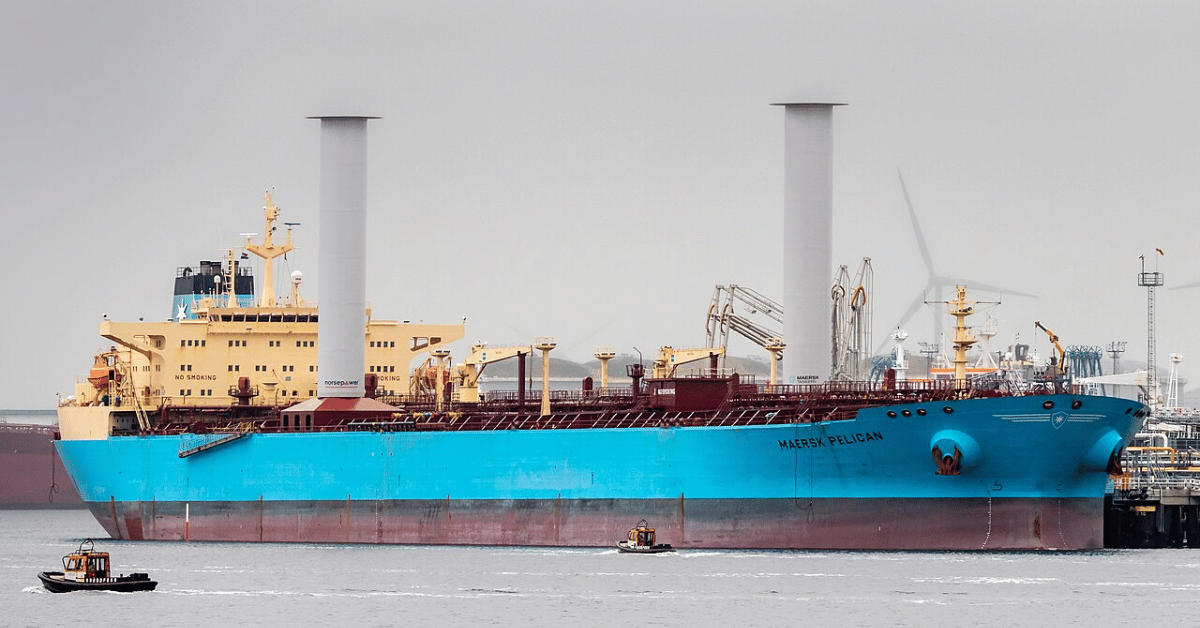
Validating wind propulsion designs to advance measurable decarbonization at sea
Wallenius Marine launches WinPrOVeDD, a project to validate wind propulsion designs that measurably decarbonize vessel operations. This isn't about theoretical promise; it's about empirical, real-world performance. By integrating calibrated data from sea trials, the program aims to transform how efficiently ships harness wind energy. Understanding drives protection, and this initiative offers a clear, measurable path forward. For context on the broader emissions challenge, see our coverage of historical CO₂ contributions by nation.
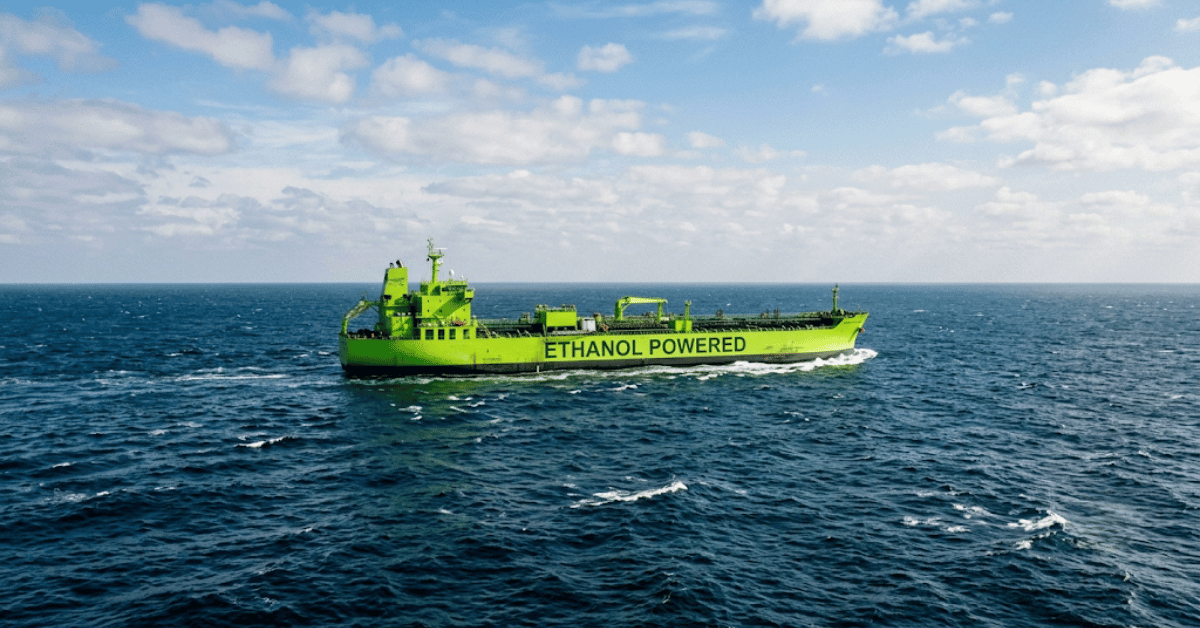
Advancing Sustainable Shipping: Ethanol-Fuelled Tanker Project Gains Momentum
A 50,000 dwt ethanol-fuelled MR tanker is moving from concept toward classification, with K Shipbuilding and Lloyd's Register now assessing feasibility ahead of an AiP. That is measured progress in a sector where fuel choice remains unsettled. Decarbonisation is not a single solution, and ethanol deserves scrutiny alongside LNG and ammonia. For context on alternative vessel design, our analysis of optimal LNG carrier capacity offers a useful comparison. We will follow this project's pathway to approval with interest.
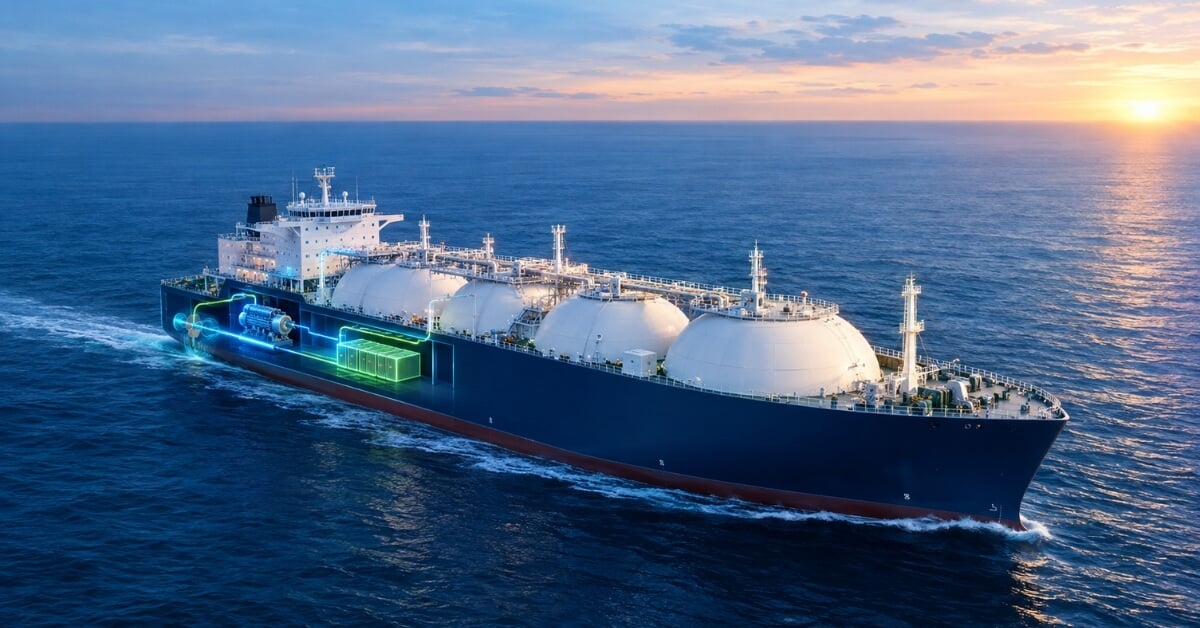
Advancing LNG Shipping: Hybrid Designs for Enhanced Efficiency and Sustainability
Hybrid electric propulsion is moving LNG carriers beyond incremental gains. Lloyd's Register, with HD KSOE and HD Hyundai Heavy Industries, is targeting a new generation of designs where efficiency and sustainability converge. This collaboration treats vessel architecture as an integrated system, not a sum of parts. For those tracking how maritime innovation addresses climate indicators, this is a measured, empirical step forward.
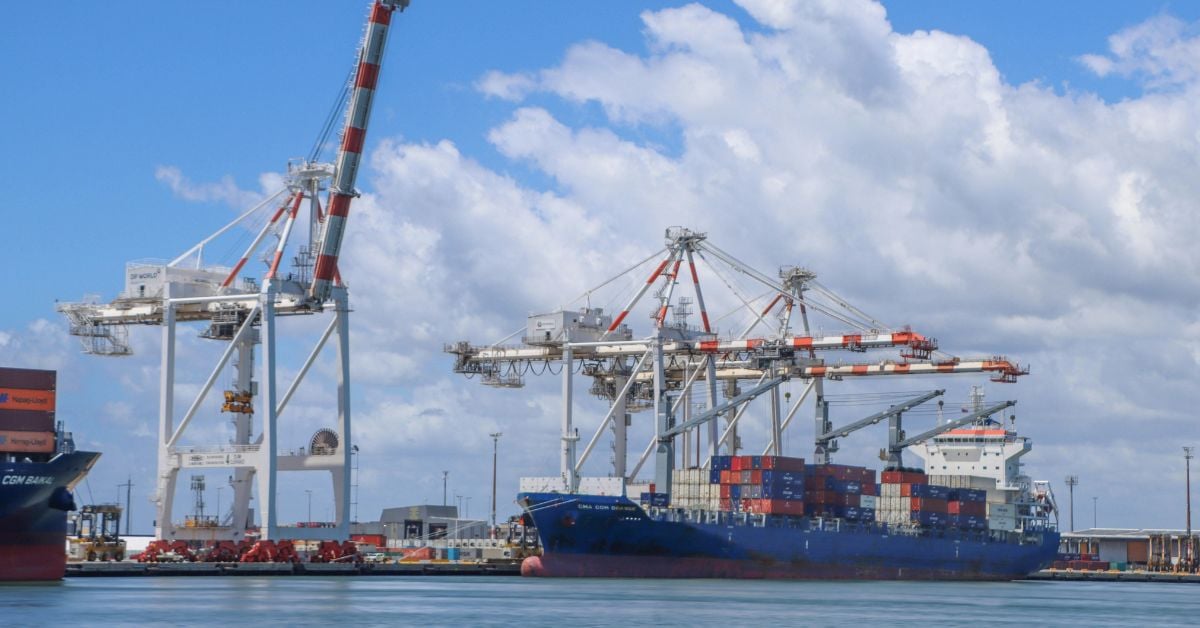
Collaborative Shipbuilding: India and Germany Advance Ocean Research Capabilities
India's Buoyancy Consultants has signed a maritime pact with Germany's Neptune Ship Design GmbH to deliver specialised container, passenger, and research vessels. This collaboration pairs Indian shipbuilding capability with German engineering precision, a combination that speaks directly to the need for measurable progress in ocean research infrastructure. It is a practical step forward, not a symbolic one. For those tracking how national capabilities expand, this is worth watching.

Layered Innovation: 3D-Printed Drone Boat Advances Ocean Data Collection
The TF-179 Drone Boat represents a shift in how we build ocean observation tools. By using robot arms to deposit material layer by layer, this U.S.-built vessel moves beyond traditional moulds, offering a more integrated approach to data collection. The precision here matters; it is a practical step toward more responsive ocean intelligence. For those tracking security and infrastructure progress, our coverage of Alaska's Base Kodiak pier project shows how we are expanding our reach in the Arctic.

AI-Driven Design: CSSC Advances Ship Engineering with Integrated Models
Ship engineers spend far too much time chasing documents across design systems. CSSC's new AI-driven approach changes that calculus, integrating models to bring technical data and design information into a single, coherent workflow. It is a practical step toward efficiency, not a flashy promise. For readers tracking how engineering and digital tools converge, our piece on Cochin Shipyard's recent design expansion offers a useful parallel. This is how shipbuilding gets smarter, one validated process at a time.