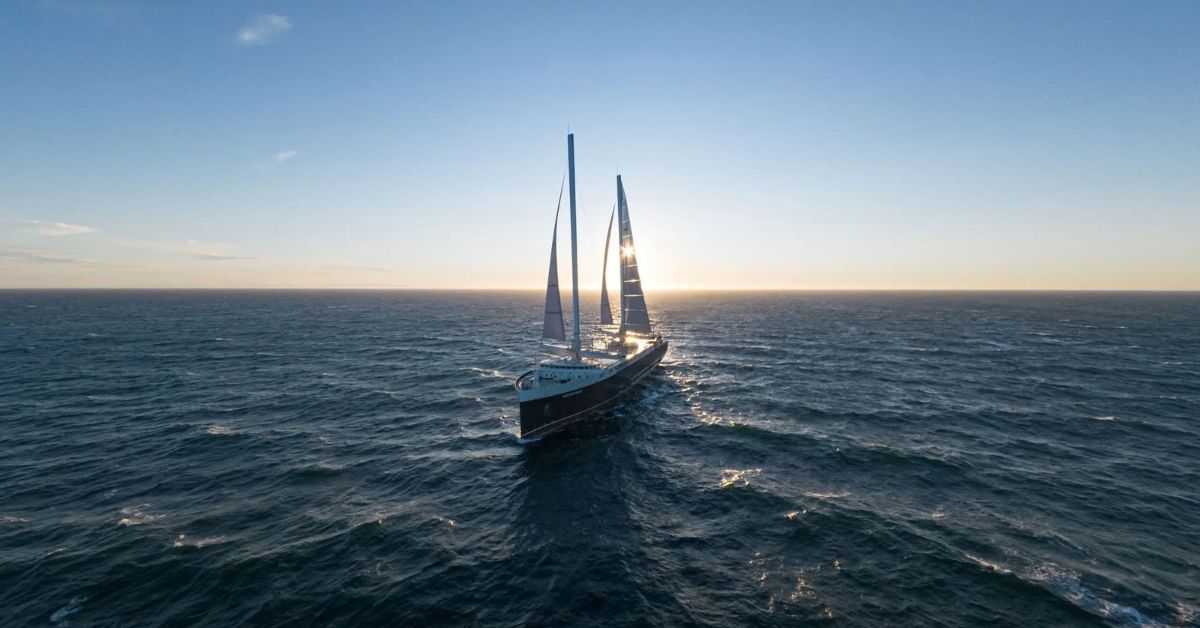
The numbers are real, and they change the conversation. Neoliner Origin has completed its first year of operation with a validated 70% fuel savings against the GLEC fleet reference, not a simulation, not a pilot-scale promise, but empirical data from 62,000 nautical miles and nine commercial transatlantic round trips. This is the kind of measurable result that moves wind propulsion from "promising concept" to "operational reality." For an industry that has struggled to decarbonize at scale, this is a calibrated signal that the integrated data ecosystem of modern shipping, fuel monitoring, route optimization, sail performance, can deliver real reductions now, not decades from now.
What makes this result particularly compelling is the context. We recently reported on how Verified savings steer first retrofit fund into Singapore taxonomy, where validated fuel savings are being used to unlock green investment. That same principle is at work here: Neoline's data is peer-reviewed against the GLEC framework, making these savings bankable for future projects. Meanwhile, Validated hybrid systems power four new vessels toward 90% lower emissions show that the industry is beginning to standardize these integrated approaches. Neoliner Origin is not an outlier, it is the leading edge of a trend where empirical performance becomes the foundation for financing and scaling.
The 70% figure is impressive, but the trajectory matters more. Neoline has set a target of 78% savings for 2027, with a path toward 80% or higher once the SolidSail rig is fully operational. Technical issues limited sail deployment in the first year, peak sail-only speed reached 16.6 knots, but full-rig time was constrained. This is exactly the kind of honest, operational data that makes longitudinal analysis valuable. The vessel faced a disrupted transatlantic market, yet still maintained service, carried over 12,000 tonnes of cargo, and added Zeebrugge as a new port of call. These are not laboratory conditions; this is real-world maritime logistics under commercial pressure.
The open question for 2027 is whether the rig repairs and scheduled maintenance in February will close the gap between demonstrated potential and consistent performance. If Neoline can deliver that 78% reduction while expanding cargo volumes, and if the financing ecosystem continues to reward validated savings, then wind-assisted propulsion will have crossed the threshold from niche to mainstream. For shippers, the takeaway is clear: the data now exists to make procurement decisions based on measured fuel reduction, not promises. That is the difference between hope and a verified course.