Fuel savings
Fuel savings at World Data Ocean is a file of 2 stories. The newest of them: “Market Shift Retires the Economic Case Against Retrofitting Older Vessels” and “Wind-Assisted Shipping: Norway's Project Drives Fuel Efficiency and Emission Reduction”. A 15-year-old tanker now carries a higher market value than a brand-new vessel, a measurable shift that retires the economic case against retrofitting older ships. Norway's new NOK 68 million project treats wind as a measurable asset, not a romantic notion. A Global Hub for Ocean Intelligence 4 World Data Ocean is a centralized digital platform where researchers, scientists, and ocean enthusiasts converge to… The list below is every Fuel savings story on World Data Ocean, newest first.
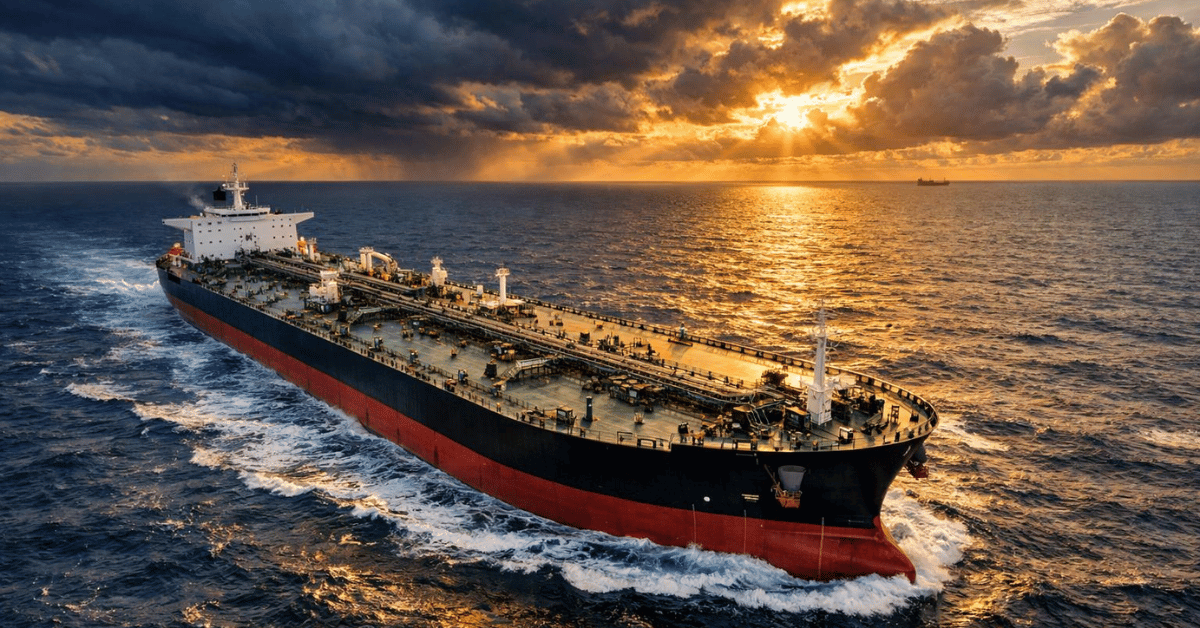
Market Shift Retires the Economic Case Against Retrofitting Older Vessels
A 15-year-old tanker now carries a higher market value than a brand-new vessel, a measurable shift that retires the economic case against retrofitting older ships. Owners have demolished their own favourite argument, and the data is clear: preserving and upgrading existing tonnage is no longer a compromise, but a validated strategy. For deeper context on evolving capacity dynamics, see *A Measured Shift in Maritime Capacity Signals Evolving Ocean Intelligence*.
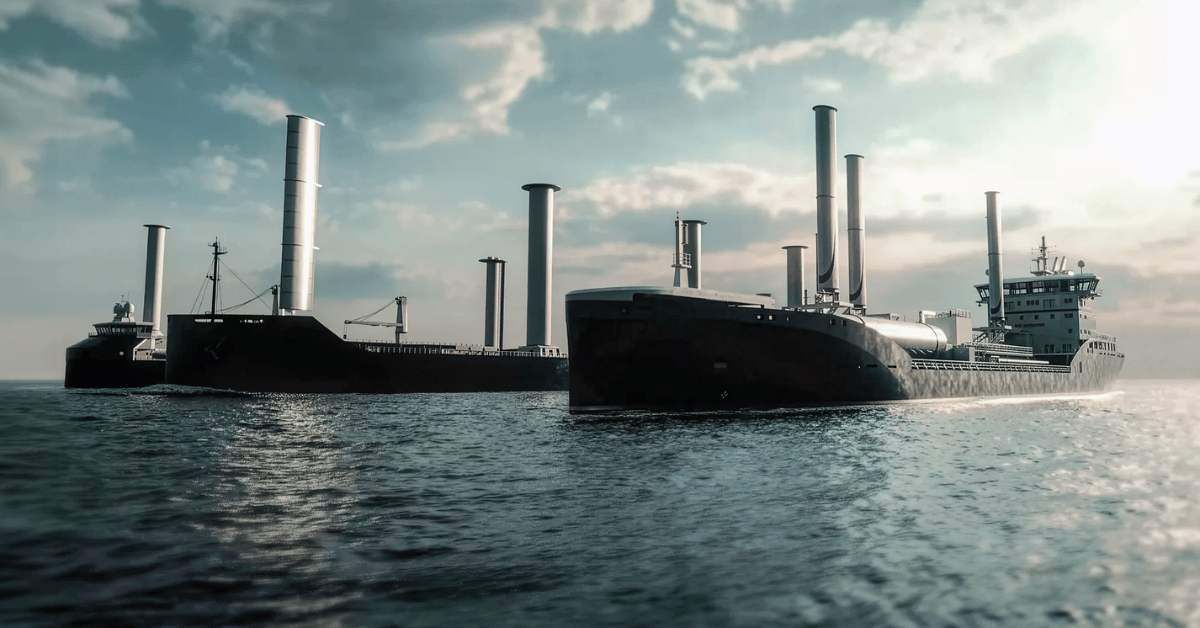
Wind-Assisted Shipping: Norway's Project Drives Fuel Efficiency and Emission Reduction
Norway's new NOK 68 million project treats wind as a measurable asset, not a romantic notion. Integrating wind propulsion directly into ship systems is a calibrated step toward validated fuel savings and real emission cuts. This is empirical progress, not hype. Understanding drives protection. For more on how integrated systems reshape ocean intelligence, see our coverage of "Integrated Subsea Cables Enhance Data Transmission Across the Indian Ocean."