energy efficiency
energy efficiency at World Data Ocean is a file of 14 stories. The newest of them: “AI and digitalisation anchor new maritime safety and emissions pact”, “Shipping alliance targets 12,000-tonne CO2 cut via second-generation biofuels”, and “Calibrated at sea: wind-powered data center validates subsea operations”. A new memorandum of understanding between China Merchants Energy Shipping and RINA anchors maritime safety and emissions management in digitalisation and AI. CMA CGM and DSV are targeting a 12,000-tonne CO₂ reduction over two years through ACT+ low-carbon shipping solutions powered by second-generation biofuels. A Global Hub for Ocean Intelligence 4 World Data Ocean is a centralized digital platform where researchers, scientists, and ocean enthusiasts converge to… The list below is every energy efficiency story on World Data Ocean, newest first.

AI and digitalisation anchor new maritime safety and emissions pact
A new memorandum of understanding between China Merchants Energy Shipping and RINA anchors maritime safety and emissions management in digitalisation and AI. This is not speculative; it is an integrated data ecosystem designed for measurable, real-world impact. As the industry seeks validated pathways to decarbonisation, this collaboration aligns with efforts like the Wallenius Marine WinPrOVeDD project, which aims to harness wind energy more efficiently through empirical design validation.
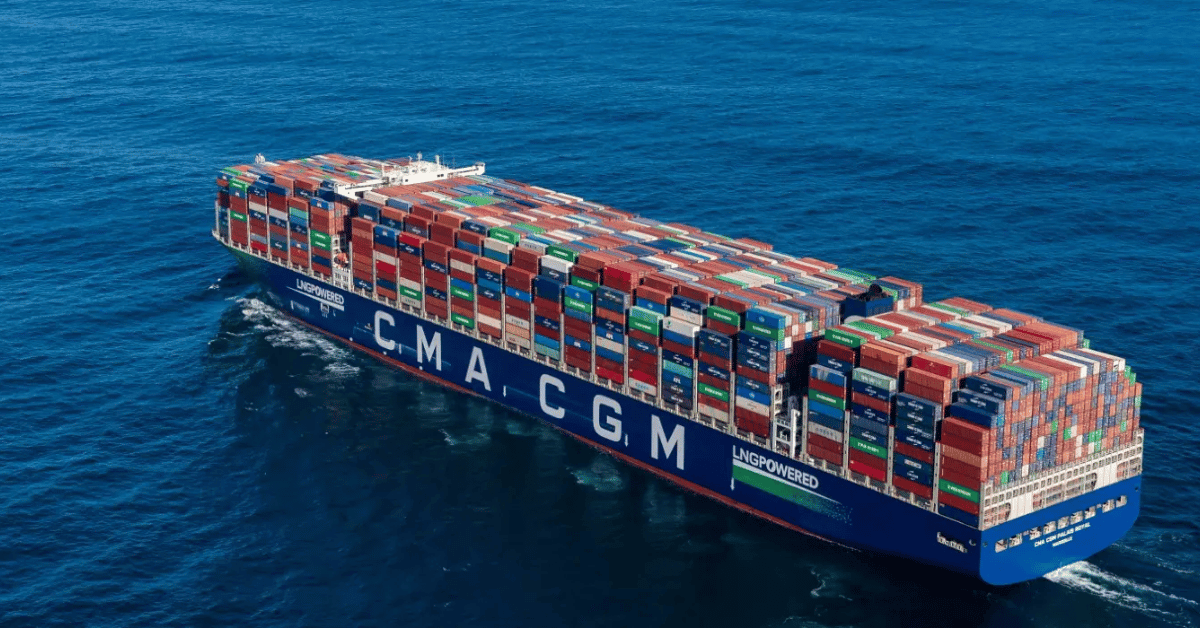
Shipping alliance targets 12,000-tonne CO2 cut via second-generation biofuels
CMA CGM and DSV are targeting a 12,000-tonne CO₂ reduction over two years through ACT+ low-carbon shipping solutions powered by second-generation biofuels. It is a measured step that pairs operational scale with validated fuel alternatives. The partnership demonstrates how logistics leaders can act on climate indicators without waiting for perfect infrastructure. For readers tracking the maritime fuel transition, our coverage of Wärtsilä's dual-fuel engine fleet offers a complementary view of the same decarbonization trajectory.
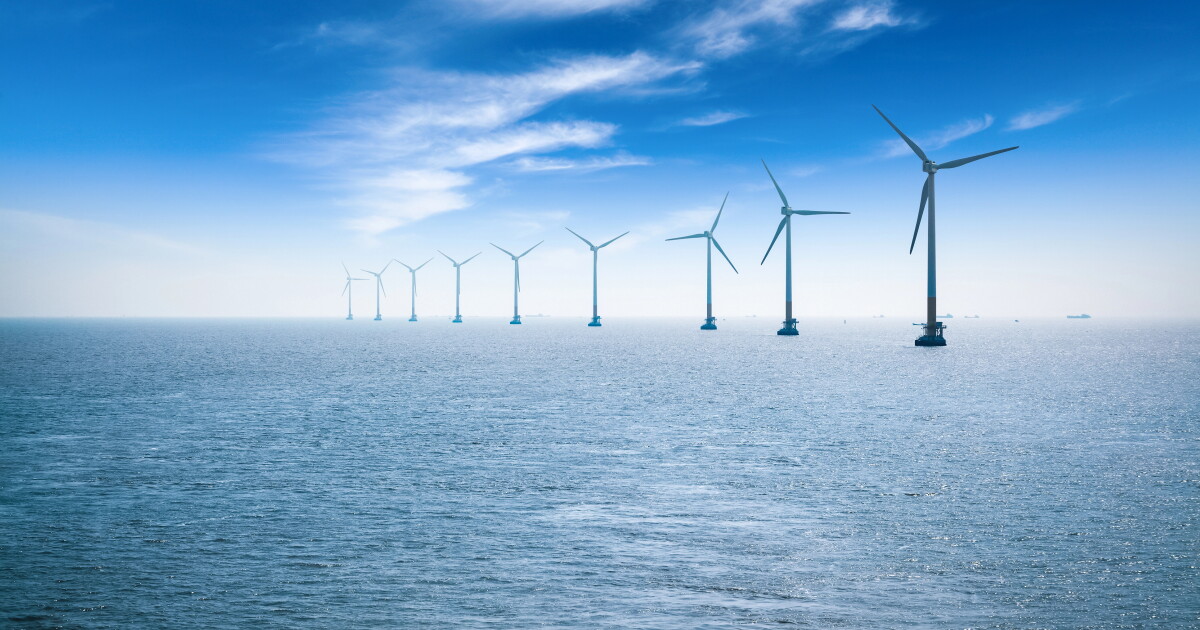
Calibrated at sea: wind-powered data center validates subsea operations
A wind-powered data center, calibrated at sea, is now validating subsea operations from the ocean floor. This is not a prototype; it is an operational, integrated data ecosystem delivering real-time, measurable results. The achievement underscores a fundamental truth: understanding drives protection. For deeper context on how shifting marine conditions challenge our assumptions, see our coverage of the shallow-water coral sighting near Naxos. From orbit to ocean floor, empirical observation remains our most calibrated instrument.
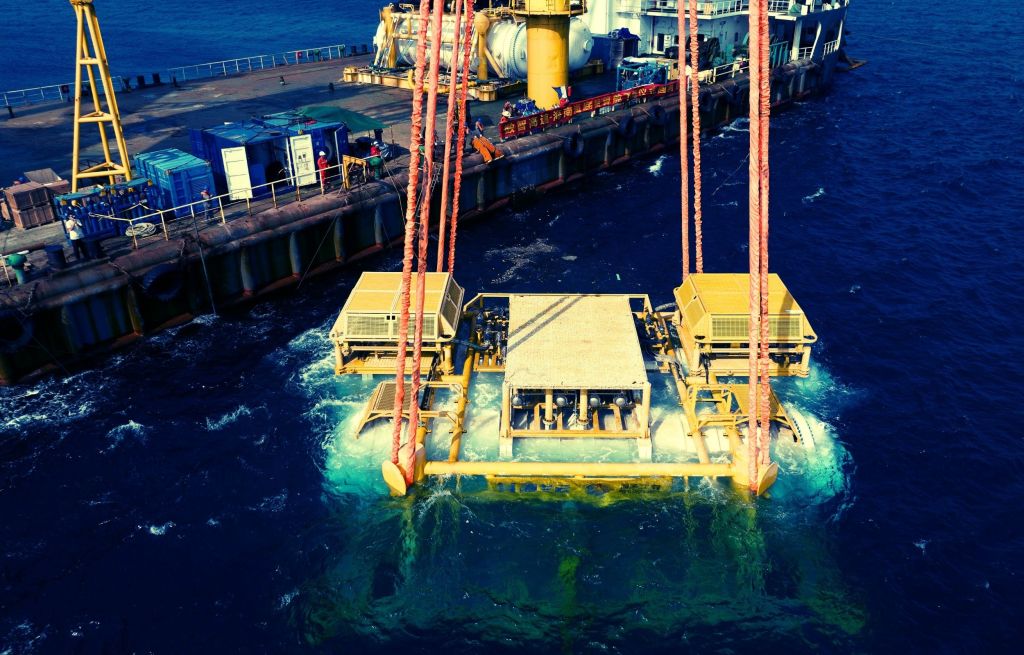
China Submerges AI Data Center in Ocean Floor Deployment
China submerges an AI data center on the ocean floor, a move that prioritizes speed and cooling efficiency over the land-based debates stalling U.S. projects. This deployment demands rigorous validation. How safe is a submerged digital infrastructure against pressure, corrosion, and real-time operational risks? The answer matters for the entire integrated data ecosystem. For deeper context on ocean system shifts, our coverage of a century of ocean intelligence revealing a measurable current slowdown provides essential reading.
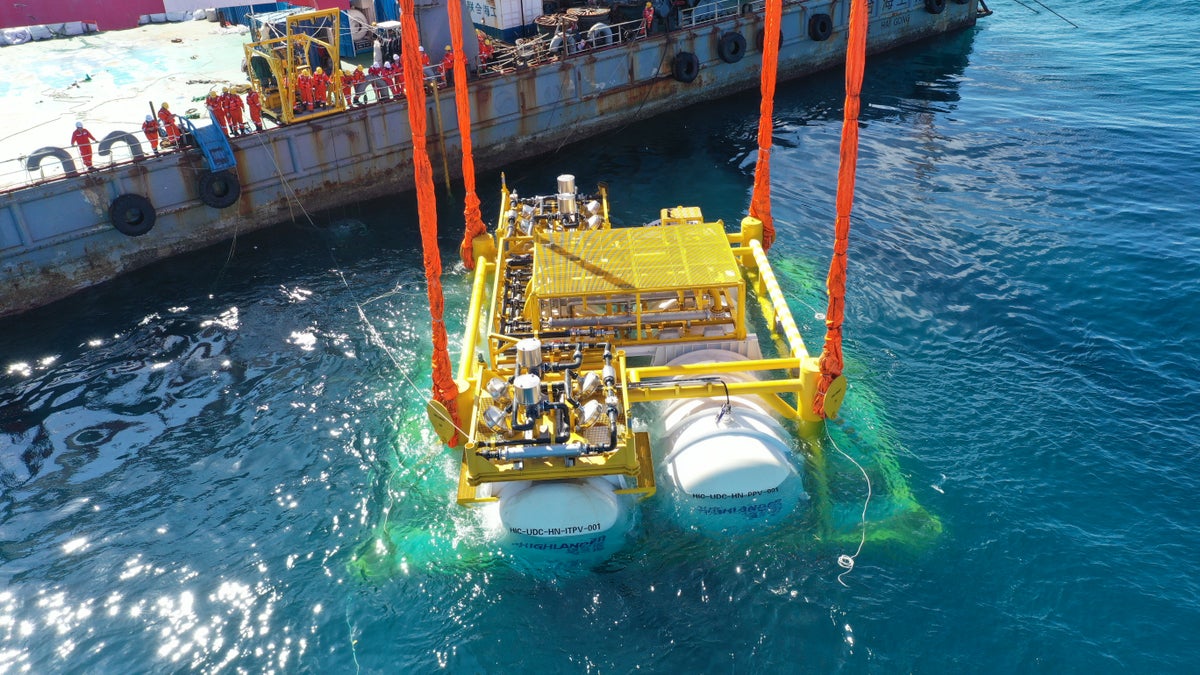
Submerged servers validate a new frontier for efficient ocean intelligence
Submerged data centers validate a new frontier for efficient ocean intelligence. China's deployment of ocean-cooled servers is not a speculative experiment, it is a measurable step toward integrating computing infrastructure with the marine environment. This approach addresses a real constraint: the energy cost of keeping processors cold. For a fuller picture of how life and energy move through these systems, see our related mapping of life's mass across oceans, land, and deep subsurface.
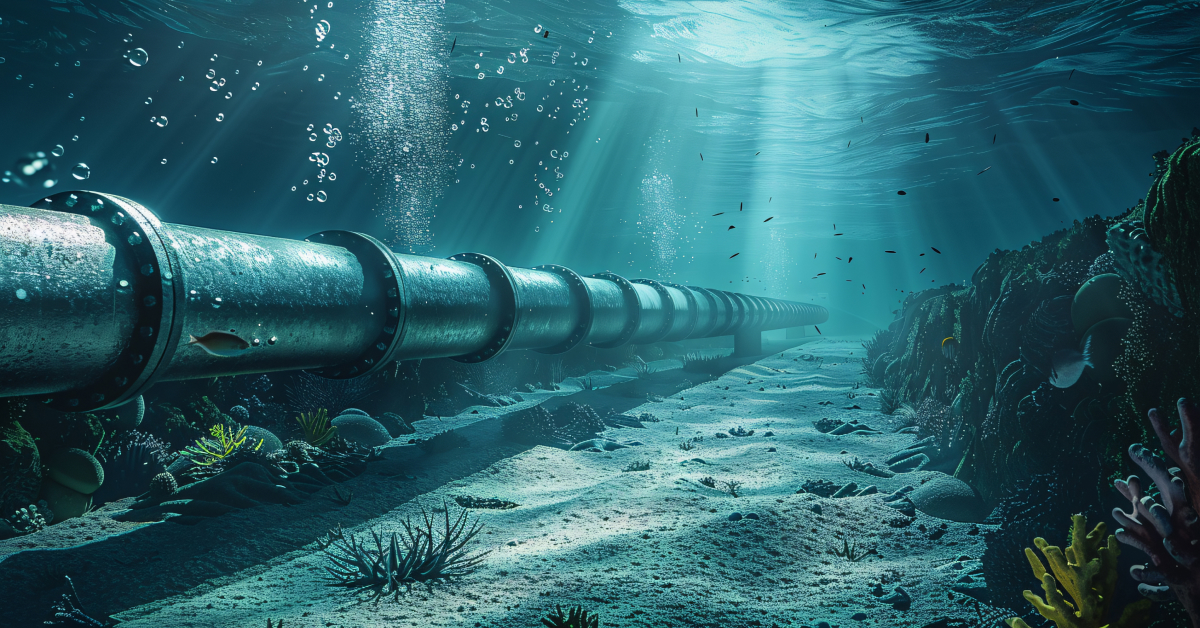
Submerging Compute: New Data from Ocean Cooling Pilots
Submerging compute hardware in the ocean is no longer theoretical. Early pilot data from ocean-cooled data centers shows validated, measurable reductions in energy use. This isn't a distant concept, it is an empirical step toward climate-resilient infrastructure. Cooling represents a staggering share of data-center energy consumption, and the ocean offers a stable, integrated thermal sink. For those tracking the broader shift, our coverage of ABB's electrification work with Ferrari Hypersail shows how innovation is redefining marine systems.
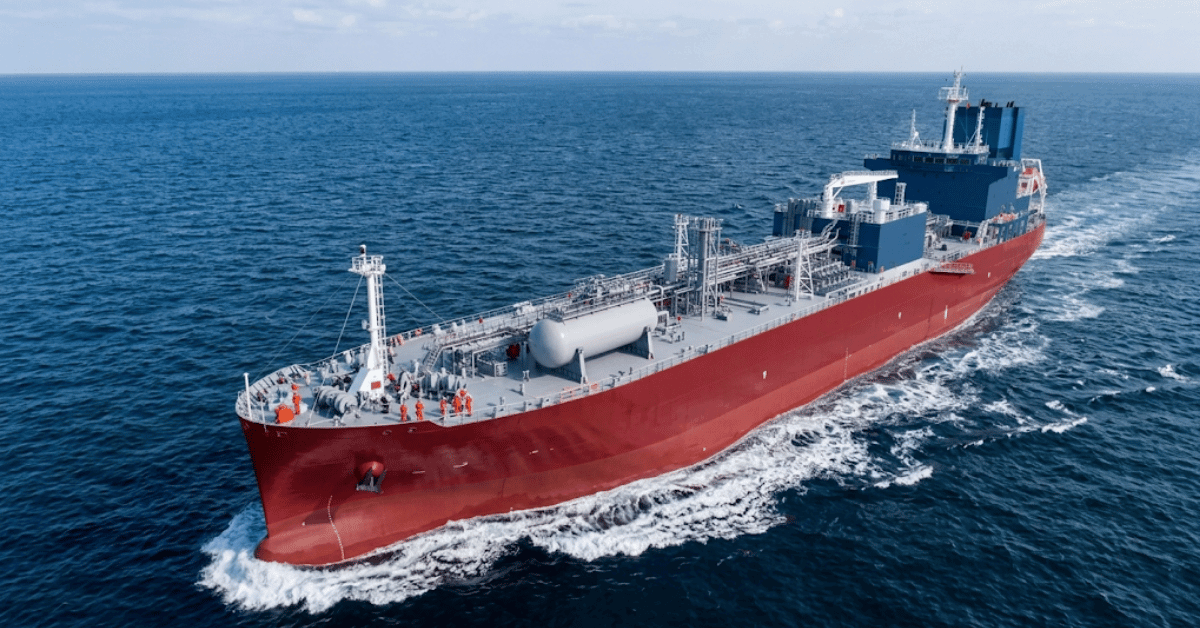
Validated Carbon Capture Offers Significant Emissions Reduction for Shipping.
Onboard carbon capture is no longer a distant concept. Lloyd's Register's latest analysis confirms that validated systems can deliver significant CO₂ emissions reductions for existing ships, offering a practical bridge while alternative fuel supply chains mature. That is a measured, credible step, not a silver bullet. The maritime sector needs every viable tool in the decarbonization toolkit, and this approach lets the current fleet act now.

Wind-Powered Data Hub Monitors Ocean Health in Real-Time, China.
In the South China Sea, the world's first wind-powered underwater data centre is now operational, marking a calibrated step toward integrating renewable energy with ocean intelligence. This is not a distant concept; it is a live, peer-reviewed example of how real-time climate indicators can be measured from the seabed. The innovation is purposeful, and its implications for global data ecosystems are significant.

Battery-Powered Cargo Ship Charts Course for Zero-Emission Shortsea Routes
Battery-powered cargo ships are no longer a concept for the distant future. Conoship has charted a practical course toward zero-emission shortsea routes, citing Scandinavian fjord conditions and designated emission-control areas as prime starting points. This is the kind of applied innovation that moves the industry forward: measurable, route-specific, and grounded in real operational constraints. It is a focused step toward cleaner seas, and we are watching closely. For more on Conoship's expanding influence in maritime design, see our piece on Cochin Shipyard's recent equity stake.

Immediate Efficiency Gains Key to Decarbonizing Shipping Operations
The EY study identifies energy efficiency and operational measures as among the most practical near-term actions for shipping, and the logic is immediate. These steps cut emissions without waiting for new fleets or alternative fuels. For an industry under pressure to decarbonize, this is where progress begins. The sector already has the tools; it needs the discipline to deploy them.

Accelerating Maritime Transition: Marine Insight and Azolla Partner for Ocean Intelligence.
Decarbonization demands more than ambition; it demands coordinated action. Marine Insight and Azolla have formed a strategic alliance to accelerate the maritime transition, pairing Marine Insight's global reach with Azolla's technical depth in vessel performance and regulatory compliance. This partnership is a practical step toward measurable progress. For those tracking the regulatory side of this shift, our related piece on validating onboard emissions data for LNG shipping offers a useful parallel. The transition is complex, but integrated data ecosystems make it navigable.

Solar-Powered Car Carrier Embarks on Global Shipping Routes
A solar-powered car carrier is set to enter global trade routes, leased to Hyundai Glovis for service connecting Asia, Southeast Asia, North America, and Europe. The move aligns with broader efforts to integrate cleaner propulsion into commercial shipping. For context on how vessel design is evolving alongside fuel efficiency, our piece on optimal LNG carrier design offers useful comparison. This deployment signals measurable progress in applying renewable energy to high-traffic ocean corridors.

Optimized Ship Speed Prediction: Integrating Physics and Data for Efficiency
In a single-voyage diagnostic study, the physics-informed hybrid-driven model (PHDM) cut average error to 3.02% MAPE, sharply outperforming both the pure Physics model at 7.58% and the data-driven model at 6.66%. The most striking gain appeared in scenario C4, where error dropped from over 13% to just 5.42%. This is not a claim of universal superiority; the authors are careful to frame results as voyage-specific.

Glovis Lighthouse: Record-Breaking Vehicle Carrier Arrives at Southampton.
A new chapter in maritime logistics began as the Glovis Lighthouse, a record-breaking vehicle carrier, arrived at Southampton's Solent Gateway facility. The vessel's maiden voyage and first European port call signal a practical step forward in global shipping efficiency. This arrival reflects the kind of measured progress that keeps supply chains moving. For broader context on how ports are adapting to shifting trade demands, our coverage of Russian Terminals Adapt for Grain Export Surge offers a useful comparison.