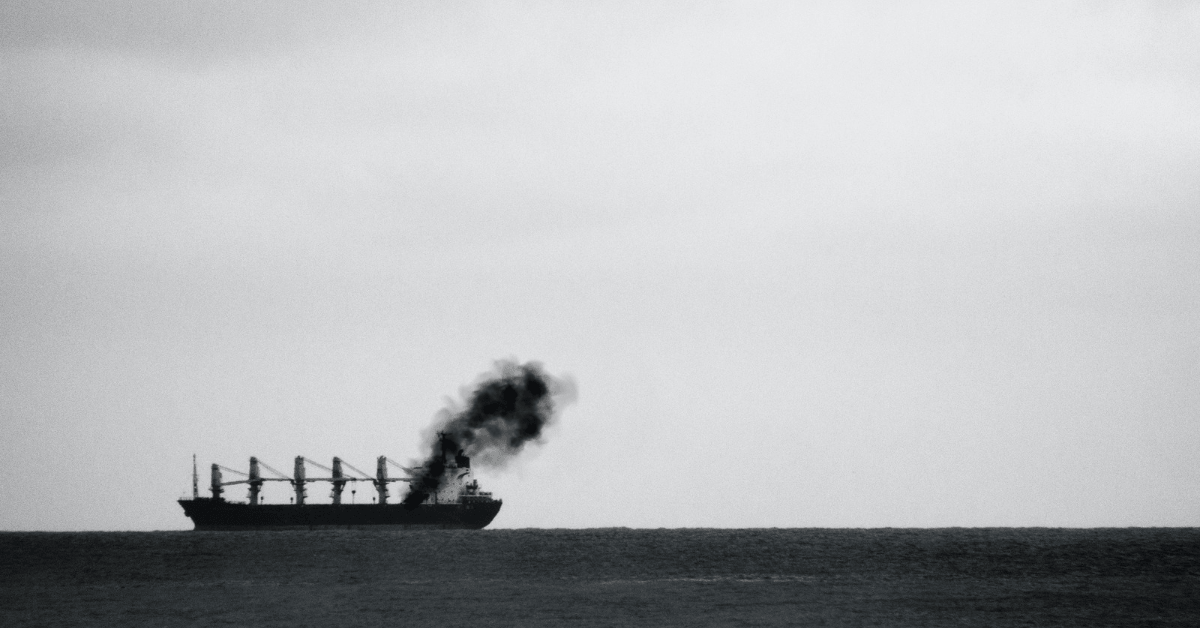
The successful rescue of 22 crew members from a burning cargo vessel in the Gulf of Oman by the UAE National Guard is a clear demonstration of professional maritime response, but it must be understood within a much darker operational context. This is not an isolated emergency; it is the latest data point in a pattern of escalating risk that has transformed one of the world's most critical shipping lanes into a hazard zone. For our readers, researchers, policymakers, and maritime professionals, this incident reinforces a sobering empirical reality: the Strait of Hormuz has become a theater where validated threats to seafarer safety are now routine, not exceptional.
The UAE National Guard's statement emphasizes readiness and commitment to protecting lives, and that capability is genuinely commendable. However, the absence of basic identifying details, the vessel's name, flag, or cargo, raises its own set of questions. This opacity is notable given that the U.S. Interdicts Cargo Vessel in Gulf of Oman Over Blockade Breach occurred in these same waters, and that the Strait of Hormuz Conflict Claims 25 Seafarers, Thousands Stranded since the US-Iran conflict escalated on February 28. We cannot draw a direct causal link between those events and this fire, the cause remains unknown, but the geographic and temporal coincidence demands scrutiny. When military forces are reported in the vicinity of a bulk carrier incident on the same day, the line between a maritime emergency and a combat-related event blurs in ways that directly affect how we assess risk.
What this means in practical terms for the global shipping community is that standard emergency protocols are no longer sufficient. A fire aboard a vessel is a known hazard with established response procedures. A fire aboard a vessel in waters where naval blockades and interdictions are active introduces variables that no crew can train for. The UAE National Guard's rescue of 22 Arab nationals mirrors their October 10 operation pulling 22 Asian seafarers from a burning oil tanker in the Arabian Gulf (internal link placeholder, use exact path from provided list). That symmetry is not coincidence; it is a measurable pattern of consistent exposure to danger. The IMO has already called for validated maritime security risks to demand calibrated protections for seafarers globally, and this event is a direct case study in why those protections must move from policy statements to operational reality.
The specific detail to watch now is the UKMTO's report of military forces involvement in an incident involving a bulk carrier. If that report is linked to this fire, it would fundamentally change the narrative from a successful rescue to a combat-related casualty event. Without a named vessel or a confirmed cause, the data is incomplete. Until it is filled, every shipping company operating through the Gulf of Oman must treat this as a warning indicator: the ocean intelligence we rely on for safe passage is only as good as the transparency of the reporting systems that produce it.