U.S. Navy Approves Rapid 3D-Printing Standards To Boost Submarine Fleet Readiness
Our take

The U.S. Navy’s recent approval of rapid 3D-printing standards for submarine design, manufacturing, maintenance, and repair represents a significant shift towards enhanced fleet readiness and a more resilient operational posture. This move directly addresses the escalating challenges highlighted in recent reports, including the substantial operational downtime and associated costs documented in U.S. Navy Loses 15,000 Operational Days As Submarine Maintenance Delays Cost $3.4 Billion. The ability to rapidly produce replacement parts and customized components on demand drastically reduces reliance on lengthy supply chains and mitigates the impact of delays, a critical factor given the increasingly complex geopolitical landscape and the demonstrated need for swift response capabilities, as evidenced by the extensive overhaul required for USS Boxer following its Middle East deployment U.S Navy’s USS Boxer Slated For Up To $180 Million Overhaul After Middle East Deployment. This isn't merely about cost savings; it's about maintaining strategic advantage in a world where maritime competition, particularly from nations like China whose port infrastructure continues to expand—as seen in Ningbo-Zhoushan’s recent overtaking of Singapore China’s Ningbo-Zhoushan Port Overtakes Singapore To Become World’s Second-Largest Container Port—demands unparalleled operational agility.
The adoption of these standards signifies a deliberate move toward integrating additive manufacturing across the submarine lifecycle. Historically, naval shipbuilding and maintenance have relied on traditional manufacturing processes and established supply networks, which can be vulnerable to disruptions and slow response times. 3D printing offers a solution by enabling on-site fabrication of critical components, reducing lead times from months to days, or even hours in some instances. This capability is particularly valuable for submarines, which operate in remote and challenging environments, far from traditional support infrastructure. The validation of these standards is a crucial step, ensuring the printed components meet stringent quality and performance requirements, a prerequisite for their integration into safety-critical systems. The emphasis on “rapid” standards highlights the Navy’s desire to accelerate the implementation of this technology, recognizing the urgency of the challenges it addresses.
Beyond immediate operational benefits, the Navy’s embrace of 3D printing fosters innovation in materials science and design. The ability to create customized parts with complex geometries opens up possibilities for improved performance and efficiency. We can anticipate a future where submarine designs are optimized specifically for additive manufacturing, leading to lighter, stronger, and more capable vessels. Furthermore, this shift towards distributed manufacturing has implications for the naval industrial base, potentially creating new opportunities for smaller businesses and regional manufacturers to participate in the supply chain. The integrated data ecosystem required to support this level of additive manufacturing will also necessitate enhanced data security protocols and rigorous validation processes, further emphasizing the importance of empirical data and peer-reviewed methodologies in ensuring the integrity of the entire system.
Looking ahead, the real-time calibration and monitoring of 3D-printed components within operational submarines will be essential. The long-term performance and durability of these parts under extreme conditions require longitudinal data collection and analysis. The development of sophisticated sensor networks and data analytics tools will be critical for proactively identifying and addressing potential issues, ensuring the continued reliability of these systems. A key question moving forward is how effectively the Navy can integrate this technology into existing workflows and training programs, fostering a culture of innovation and empowering personnel to leverage the full potential of 3D printing for enhanced ocean intelligence and operational effectiveness.
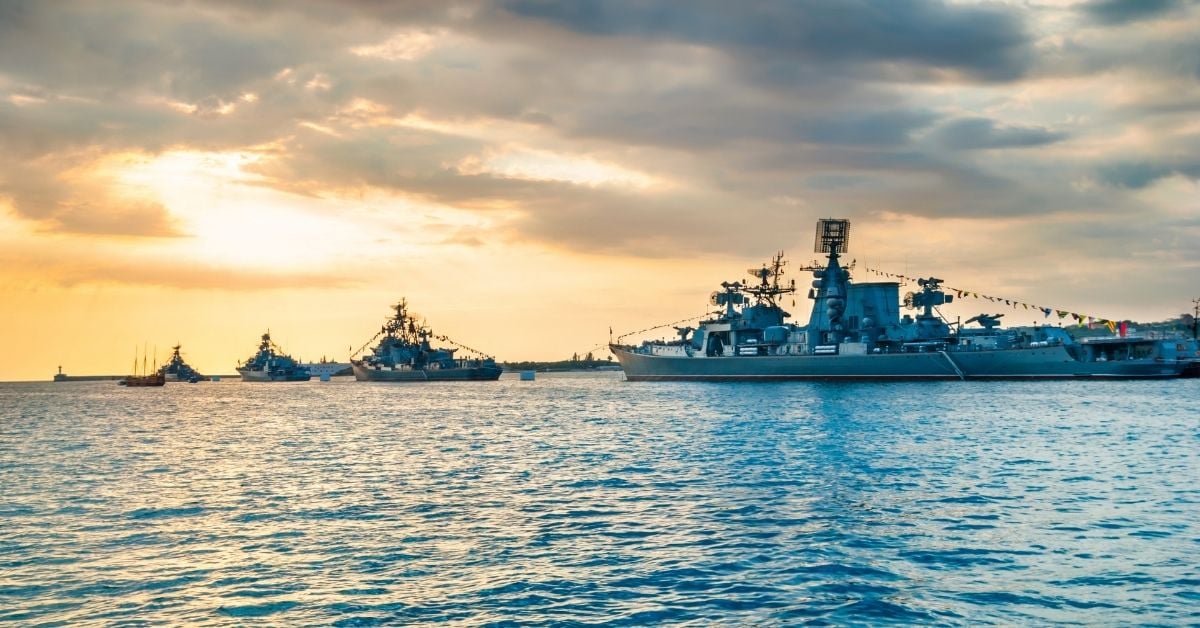
U.S Navy has introduced new technical guidelines this month to integrate 3D printing into the design, manufacturing, maintenance and repair of its submarines.
Additive manufacturing is faster, cheaper and more reliable than traditional supply chains and production methods, where parts are first produced and then tested.
It also requires several approvals and changes in design, which increase costs and delays in construction.
In 3D printing, changes can be made simultaneously, and expenses are significantly reduced, which makes it perfect for incorporation into U.S defense and shipbuilding strategy.
According to the Project Peculiar Document (PPD) 802-8436658, the Navy will replace parts, earlier built using conventional techniques, with those that would be 3D printed.
Vice Admiral Robert Gaucher, Director of Submarine Programs, said that the shift is vital to unlock 21st-century tech for the benefit of the country’s defence sector so submarines can be built rapidly and delivered on schedule.
He also added that additive manufacturing allows the sector to rise above the supply chain issues and shortage of parts and reduces the time it takes to upgrade the naval fleet, while allowing engineers, shipbuilders and suppliers to ramp up production.
3D printed metallic parts are already performing well onboard the Navy’s USS Washington and USS Nevada, and incorporating them in submarine programs could help achieve similar results.
The Navy also highlighted that switching to 3D printed components does not mean a compromise on quality or safety since additive manufacturing parts would be subjected to meet the quality control requirements of the Navy, along with rigorous tests and inspections.
The Submarine Industrial Base Program Office’s team involved in manufacturing is working to employ 3D printing to strengthen the supply chain and reduce dependency on suppliers and maximise the availability of 3D printed parts for all kinds of vessels in the fleet.
Read on the original site
Open the publisher's page for the full experience