manufacturing
8 stories filed under manufacturing on World Data Ocean. The newest of them: “From analytics to ocean intelligence: a data career pivot gains purpose”, “A Measured Step Forward for West African Maritime Infrastructure”, and “Record Port Activity Reflects Rising Chinese Exports Amid Trade Uncertainty”. A data analyst laid off as AI replaces his team, he now holds a dive license and a dream of the ocean. A 10,000-hectare deep-sea port and special economic zone in Nigeria's Ogun State signals a measured step forward for West African maritime infrastructure. A Global Hub for Ocean Intelligence 4 World Data Ocean is a centralized digital platform where researchers, scientists, and ocean enthusiasts converge to… The list below is every manufacturing story on World Data Ocean, newest first.
From analytics to ocean intelligence: a data career pivot gains purpose
A data analyst laid off as AI replaces his team, he now holds a dive license and a dream of the ocean. This isn't a career pivot into the unknown; it's a recalibration toward purpose. The path from analytics to ocean intelligence is measurable, requiring a bachelor's in biology, not a blind leap. For those questioning where to start, our guide on "Where to Study Marine Biology" aligns location with science goals. Validated steps, not guesswork.
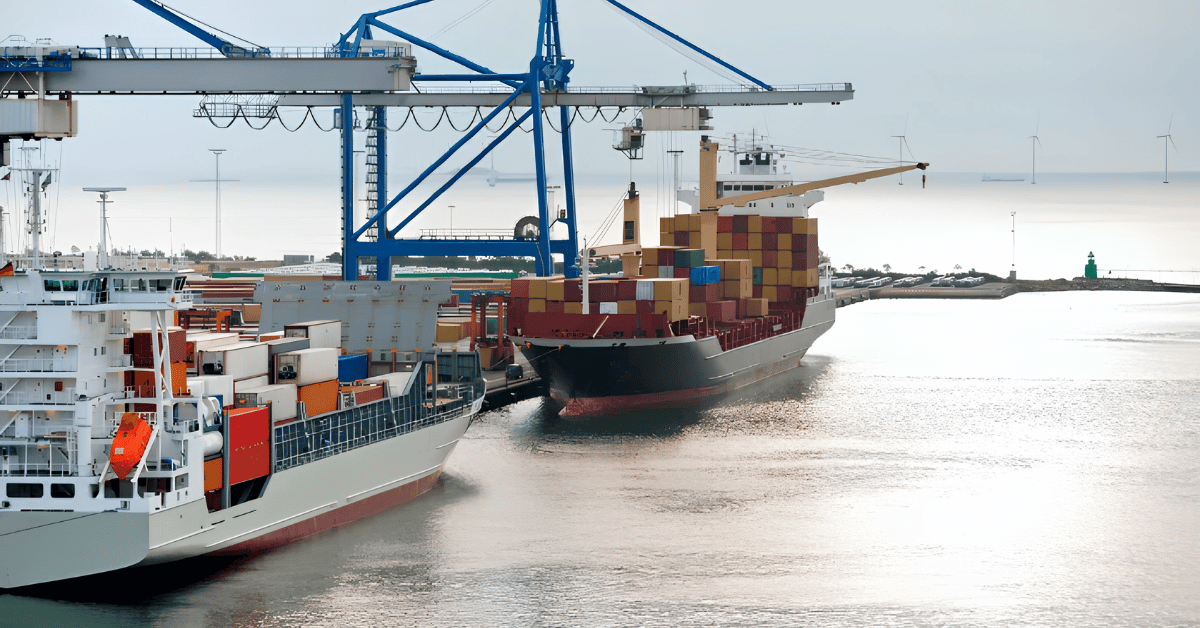
A Measured Step Forward for West African Maritime Infrastructure
A 10,000-hectare deep-sea port and special economic zone in Nigeria's Ogun State signals a measured step forward for West African maritime infrastructure. DP World, Ogun State, and Ogun Deep Sea Port have signed MoUs to explore this integrated development, one that could reshape regional trade logistics. Such projects demand empirical validation, not hype. For context on how ocean data underpins infrastructure decisions, our coverage of "Empirical ocean data powers the measurable path to energy transition" offers a parallel. Understanding drives responsible expansion.
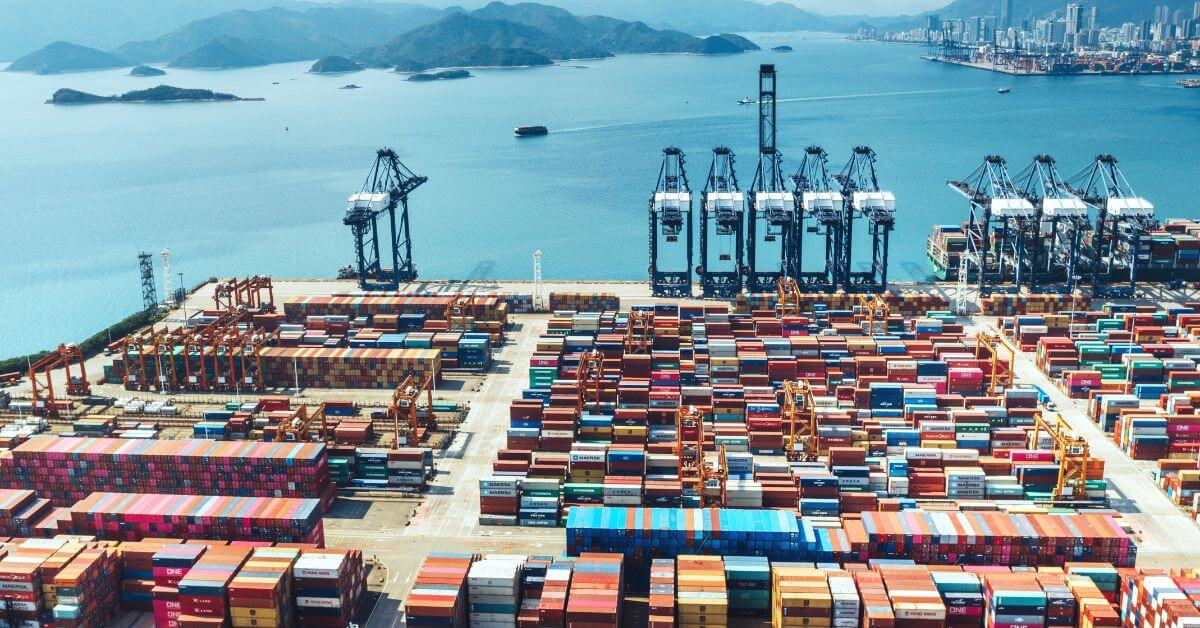
Record Port Activity Reflects Rising Chinese Exports Amid Trade Uncertainty
Record port activity tells a clear story: Chinese exports are rising even as trade uncertainty persists. The 7.279 million twenty-foot equivalent units handled in the week to September 20 marks a measurable high, one that signals resilience rather than retreat. We read this as a sign that global demand for Chinese goods remains calibrated to real needs, not speculative stockpiling. For context on how trade routes are shifting elsewhere, our piece on the Gulf of Oman STS transfers shows similar pressure points.

Accelerated Submarine Readiness: Navy Calibrates 3D-Printing Standards
The U.S. Navy's new technical guidelines for 3D printing mark a deliberate step toward standardizing additive manufacturing across submarine design, repair, and maintenance. This is not flashy hardware; it is calibrated process, and that matters. Precision in fabrication demands precision in standards, especially when operational readiness is the goal. Standardization here means fewer delays and more resilient supply chains. For context, our coverage of the *Collaborative Shipbuilding Initiative Advances Ocean Data Capabilities in India* shows similar industrial momentum globally.

On-Demand Repairs: Navy Ships Leverage 3D Printing at Sea
The USS Theodore Roosevelt printed replacement parts at sea on July 3, 2026, using a hybrid-metal 3D printer during Rim of the Pacific exercises. This is maintenance redefined: repairs happen where the ship is, not where the supply chain says it should be. The capability shortens downtime and extends operational reach, a practical answer to a persistent logistical problem. For context on how navies are adapting to broader strategic pressures, India's fleet expansion offers a useful parallel.

Layered Innovation: 3D-Printed Drone Boat Advances Ocean Data Collection
The TF-179 Drone Boat represents a shift in how we build ocean observation tools. By using robot arms to deposit material layer by layer, this U.S.-built vessel moves beyond traditional moulds, offering a more integrated approach to data collection. The precision here matters; it is a practical step toward more responsive ocean intelligence. For those tracking security and infrastructure progress, our coverage of Alaska's Base Kodiak pier project shows how we are expanding our reach in the Arctic.

Beyond the Hype: Evaluating Bamboo Toilet Paper’s True Environmental Impact
Bamboo toilet paper is often marketed as the sustainable choice, yet its environmental credentials deserve closer scrutiny. The carbon footprint data remains surprisingly thin, leaving a gap between perception and proof. We appreciate the intent behind greener consumer options, but claims need empirical backing, not just good optics. For context on how we track ecological systems, our piece on integrated subsea cables offers a parallel on data-driven decisions. The wipe debate is far from settled, and researchers are right to push for measurable answers.

Balancing Resources and Pacific Concerns: Critical Minerals Leasing Advances
Acting MMA Director Matt Giacona's warning lands with the weight it deserves: critical minerals are no longer a niche resource but a strategic lever in a competitive global arena. This move to advance leasing balances resource security with Pacific concerns, a calibration we find both pragmatic and overdue. The pressure is measurable, and the response must be equally precise. For readers tracking how resource flows reshape regions, our piece on the Gulf of Oman STS transfers maxing out offers a useful parallel. Understanding drives protection.