additive manufacturing
5 stories filed under additive manufacturing on World Data Ocean. The newest of them: “Solid rocket motor development advances next-generation naval missile capabilities”, “Accelerated Submarine Readiness: Navy Calibrates 3D-Printing Standards”, and “On-Demand Repairs: Navy Ships Leverage 3D Printing at Sea”. A $137 million contract from the U.S. The U.S. A Global Hub for Ocean Intelligence 4 World Data Ocean is a centralized digital platform where researchers, scientists, and ocean enthusiasts converge to… The list below is every additive manufacturing story on World Data Ocean, newest first.
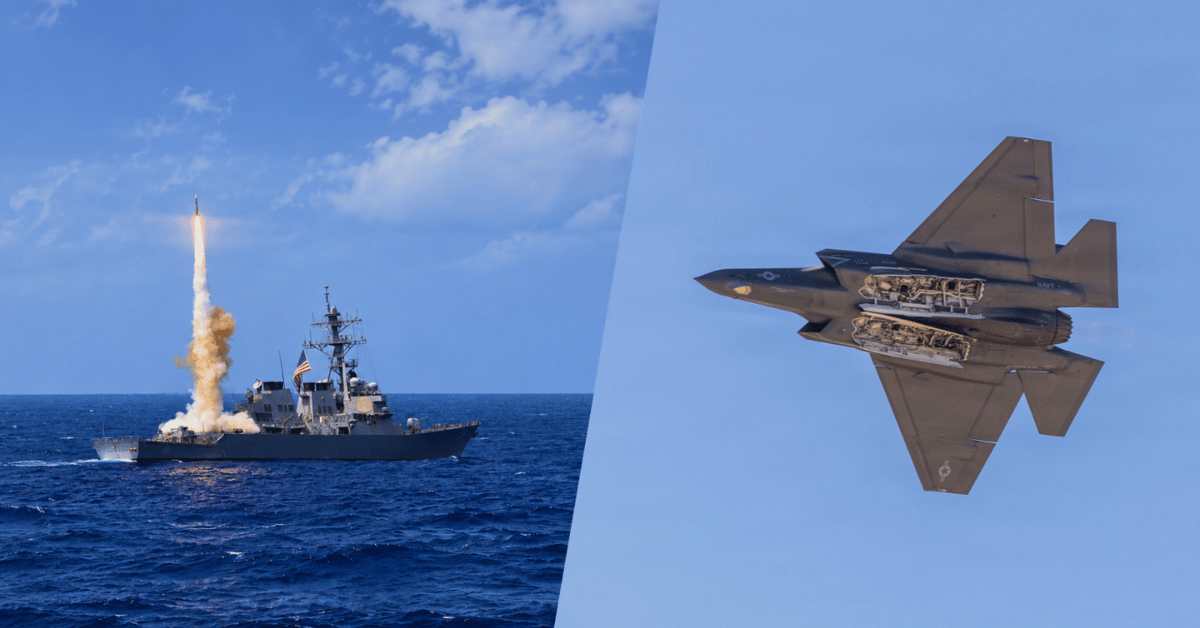
Solid rocket motor development advances next-generation naval missile capabilities
A $137 million contract from the U.S. Navy to Ursa Major advances solid rocket motor development for two next-generation missile programs, a measured investment in propulsion reliability. This is not about flashy prototypes; it is about qualifying repeatable, high-performance systems that extend naval reach. For context on how integrated systems strengthen fleet defense, our coverage of the USS *Ted Stevens* commissioning ceremony in Alaska details validated radar and layered capability. Understanding drives protection, from motor development to deployment.
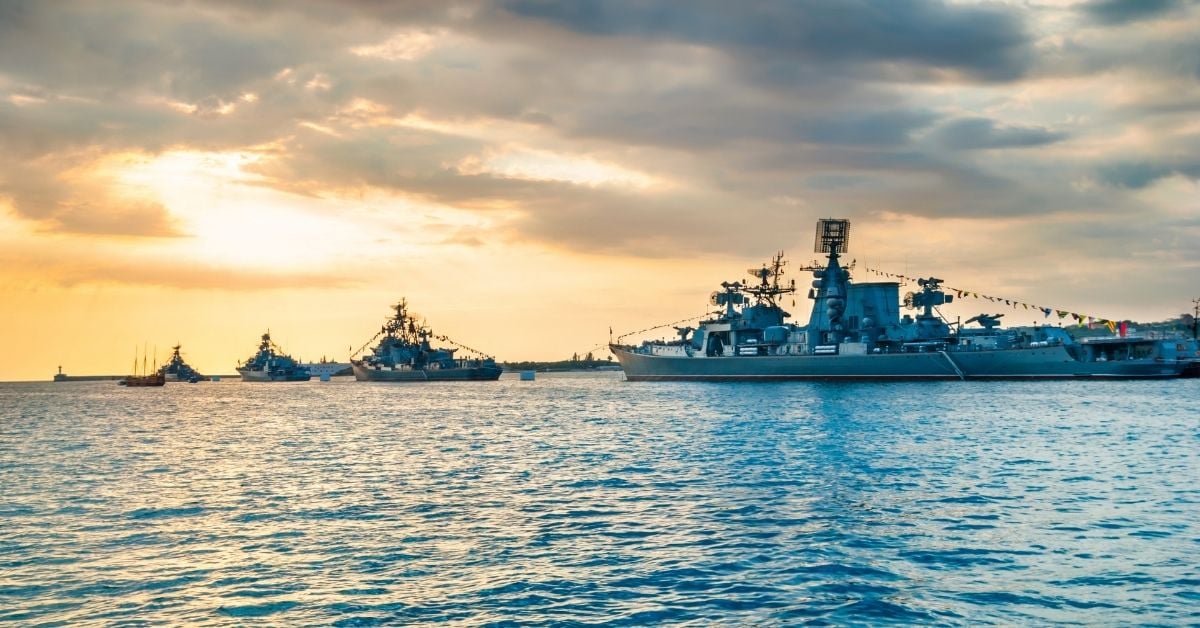
Accelerated Submarine Readiness: Navy Calibrates 3D-Printing Standards
The U.S. Navy's new technical guidelines for 3D printing mark a deliberate step toward standardizing additive manufacturing across submarine design, repair, and maintenance. This is not flashy hardware; it is calibrated process, and that matters. Precision in fabrication demands precision in standards, especially when operational readiness is the goal. Standardization here means fewer delays and more resilient supply chains. For context, our coverage of the *Collaborative Shipbuilding Initiative Advances Ocean Data Capabilities in India* shows similar industrial momentum globally.

On-Demand Repairs: Navy Ships Leverage 3D Printing at Sea
The USS Theodore Roosevelt printed replacement parts at sea on July 3, 2026, using a hybrid-metal 3D printer during Rim of the Pacific exercises. This is maintenance redefined: repairs happen where the ship is, not where the supply chain says it should be. The capability shortens downtime and extends operational reach, a practical answer to a persistent logistical problem. For context on how navies are adapting to broader strategic pressures, India's fleet expansion offers a useful parallel.

Layered Innovation: 3D-Printed Drone Boat Advances Ocean Data Collection
The TF-179 Drone Boat represents a shift in how we build ocean observation tools. By using robot arms to deposit material layer by layer, this U.S.-built vessel moves beyond traditional moulds, offering a more integrated approach to data collection. The precision here matters; it is a practical step toward more responsive ocean intelligence. For those tracking security and infrastructure progress, our coverage of Alaska's Base Kodiak pier project shows how we are expanding our reach in the Arctic.

Rapid 3D Printing at Sea: Enhancing Naval Operational Independence
Aboard naval vessels, the ability to print a critical component on demand transforms readiness. This trial directly targets the logistical bottleneck of shore-based supply chains, putting manufacturing power into the crew's hands. It is a practical step toward operational independence, reducing wait times for essential parts. The implications for sustained maritime presence are significant. For broader context on how navies are adapting, our related piece, "India Projects Expanded Naval Fleet to Navigate Evolving Maritime Landscape," offers further perspective.