fleet readiness
3 stories filed under fleet readiness on World Data Ocean. The newest of them: “Cleveland submarine repair hub advances fleet readiness through integrated infrastructure”, “Accelerated Submarine Readiness: Navy Calibrates 3D-Printing Standards”, and “Submarine Maintenance Backlog: $3.4 Billion Cost and Operational Impacts”. Cleveland's submarine repair hub integrates infrastructure to directly confront a pressing bottleneck: delayed maintenance and repairs across the fleet. The U.S. A Global Hub for Ocean Intelligence 4 World Data Ocean is a centralized digital platform where researchers, scientists, and ocean enthusiasts converge to… The list below is every fleet readiness story on World Data Ocean, newest first.
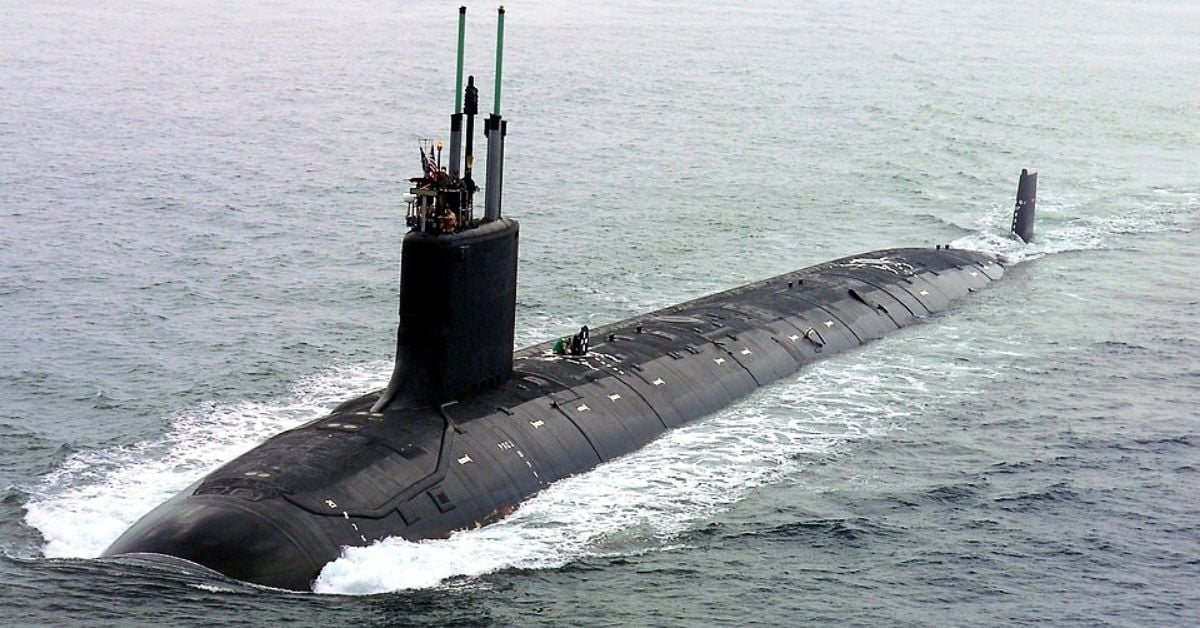
Cleveland submarine repair hub advances fleet readiness through integrated infrastructure
Cleveland's submarine repair hub integrates infrastructure to directly confront a pressing bottleneck: delayed maintenance and repairs across the fleet. By increasing component availability, the centre moves beyond piecemeal fixes toward a coordinated system. This is measurable progress. It echoes the logic behind "Floating data centers anchor ocean intelligence to existing port infrastructure", both projects prove that integrated, existing assets, properly calibrated, can drive real operational readiness.
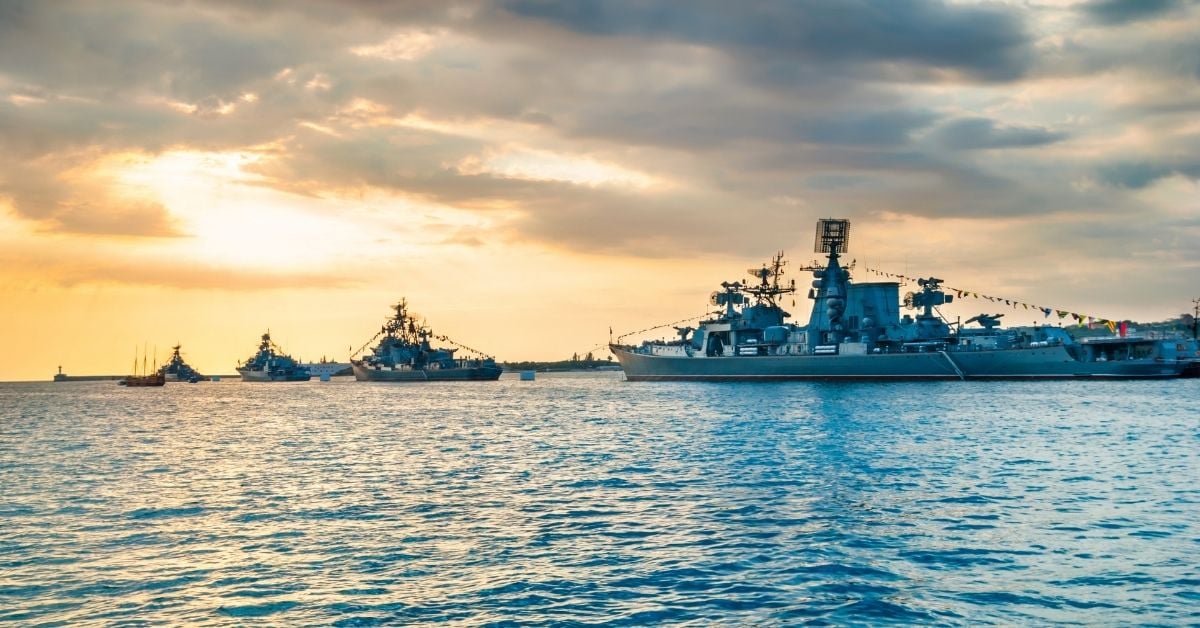
Accelerated Submarine Readiness: Navy Calibrates 3D-Printing Standards
The U.S. Navy's new technical guidelines for 3D printing mark a deliberate step toward standardizing additive manufacturing across submarine design, repair, and maintenance. This is not flashy hardware; it is calibrated process, and that matters. Precision in fabrication demands precision in standards, especially when operational readiness is the goal. Standardization here means fewer delays and more resilient supply chains. For context, our coverage of the *Collaborative Shipbuilding Initiative Advances Ocean Data Capabilities in India* shows similar industrial momentum globally.
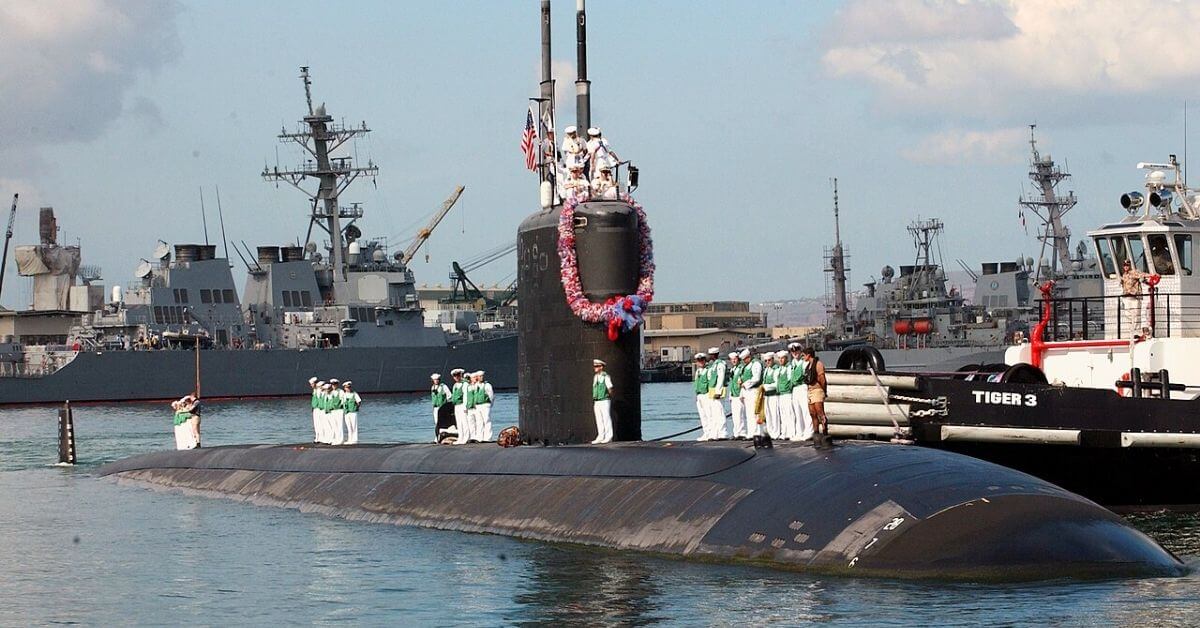
Submarine Maintenance Backlog: $3.4 Billion Cost and Operational Impacts
Fifteen submarines could sit idle for nearly 14,000 days combined between 2026 and 2030, a $3.4 billion backlog that signals a system straining under its own weight. The GAO's estimate is not abstract; it is lost operational capacity with real consequences for maritime readiness. We track these pressures closely, just as we do the Gulf of Oman STS Transfers Max Out Amid Rising Saudi Oil Exports, where infrastructure limits are equally visible.