Turkish Cargo Ship With 10 Crew Sinks Off Marmara Sea After Colliding With A Tanker
Our take
The recent sinking of a Turkish cargo ship in the Sea of Marmara, a rapid event occurring within just eleven minutes of collision with a chemical tanker, underscores the persistent and multifaceted risks inherent in maritime transport. The incident, carrying 4,200 tonnes of rolled steel, highlights vulnerabilities in navigational safety and the potential for cascading consequences. These events are not isolated; similar incidents, such as the [Chemical Leak Causes Fatal Ship Fire Off Indonesia’s Southeast Sulawesi, Killing 2 Crew], demonstrate the recurring dangers associated with the transport of hazardous materials and the fragility of maritime operations. The speed of the sinking is particularly alarming, suggesting a catastrophic structural failure likely exacerbated by the nature of the collision and the cargo involved. The ongoing investigation will undoubtedly focus on factors including visibility conditions, adherence to maritime traffic regulations, and the structural integrity of both vessels, aiming to establish a validated sequence of events and identify contributing factors.
The Sea of Marmara, a critical waterway connecting the Black Sea and the Aegean Sea, experiences significant maritime traffic, increasing the probability of collisions. This incident adds to a concerning trend of maritime accidents, as evidenced by cases like the [Master And Pilot Of Cargo Ship Charged After Fatal Collision Off Sweden That Killed 2], where navigational errors contributed to a tragic loss of life. The development of improved navigational tools and procedures is increasingly vital, and advancements like those showcased in [New ‘Digital’ Toolbox Makes Sustainable Ship Design Concepts, Cutting Hull Optimisation Time from Weeks To Days] offer a pathway to mitigating some of these risks. Such tools, leveraging data-driven optimization and real-time monitoring, represent an integrated approach to enhancing maritime safety and efficiency, though widespread adoption and effective implementation remain ongoing challenges. The integration of ocean intelligence, including enhanced weather forecasting and real-time vessel tracking, is paramount to proactively addressing potential hazards.
Beyond the immediate human cost and economic disruption, this sinking has broader implications for global supply chains and maritime insurance. The loss of a cargo vessel carrying a substantial amount of steel will undoubtedly impact construction projects and manufacturing industries reliant on this material. Furthermore, such incidents invariably trigger scrutiny of maritime safety regulations and enforcement practices, potentially leading to revised protocols and increased oversight. The empirical data gathered from investigations following these events are crucial for calibrating risk assessments and informing policy decisions aimed at preventing future occurrences. Longitudinal data analysis of collision patterns and contributing factors is essential to understanding the systemic challenges within the maritime sector and to implementing targeted, measurable improvements.
Looking ahead, the incident serves as a stark reminder of the need for continuous investment in preventative measures, including advanced sensor technologies, improved crew training, and robust data analytics capabilities. The potential for integrating AI-powered decision support systems to augment human capabilities in navigating complex maritime environments is a particularly compelling area of exploration. The question remains: how can we accelerate the adoption of innovative technologies and collaborative data sharing platforms to create a more resilient and safer global maritime ecosystem, ensuring the ocean’s vital role in trade and connectivity is not jeopardized by preventable accidents?
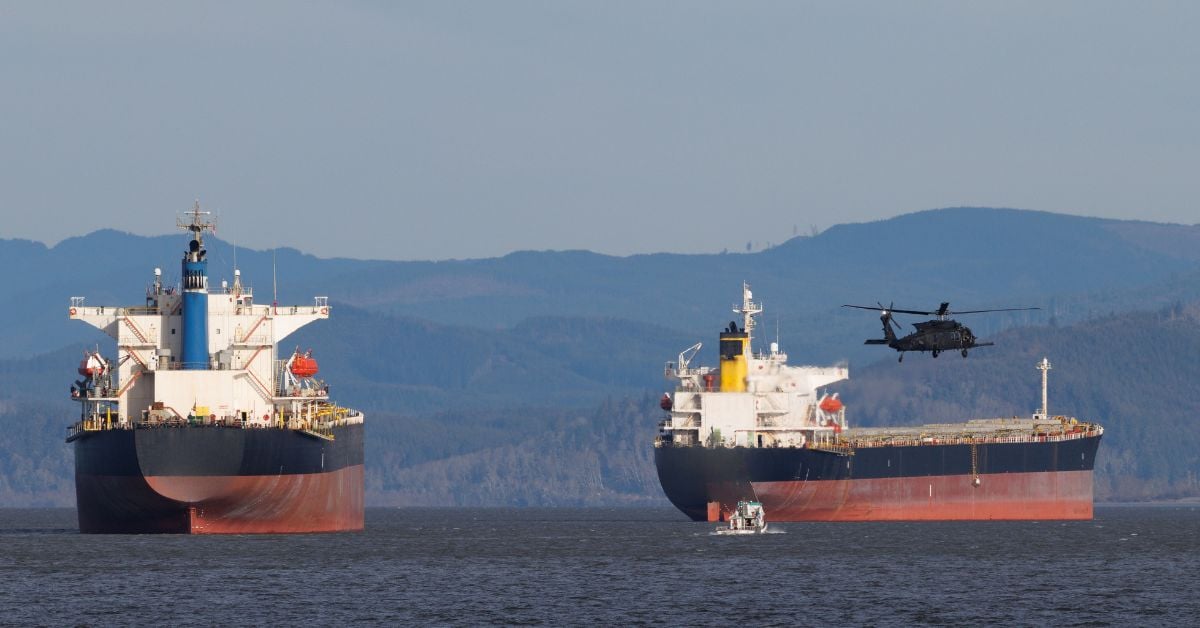
A Turkish cargo ship carrying 4,200 tonnes of rolled steel sank in 11 minutes after colliding with an empty chemical tanker in the Sea of Marmara.
The cargo ship’s 10 crew members have gone missing in waters off Istanbul’s west coast following the incident.
Cargo vessel Tugberk Imamoglu was sailing from the Mediterranean Port of Iskenderun to the Port of Karadeniz Ereğli on the Black Sea, where it collided with tanker ALSU, sailing from Kocaeli to the Port of Aliaga.
Search and rescue operations are in full swing, coordinated by the Turkish Navy, with 14 specialised vessels and two helicopters spanning an area of 32 kilometres south of Silivri.
So far, the rescue teams have found an empty lifeboat, debris, and life buoys, but no survivors in the Marmara Traffic Separation Scheme where the accident occurred.
The Transport Minister Abdulkadir Uraloglu said there were 10 seafarers on the vessel, including the captain and that they were all Turkish.
According to Turkish Maritime Authorities, the emergency call came at 3:26 am, while the collision occurred around 3:15 am, which means the ship sank quickly in just 11 minutes, possibly due to the heavy weight of the steel cargo.
Maritime analysts said that given its weight, the ship might have settled into waters atleast 800 to 900 metres deep, which might make subsea recovery difficult.
The tanker did not sustain any major damage and reported no crew casualties or injuries. It remained afloat and assisted in the rescue operation.
The cause of the accident is being investigated; however, the owner of the cargo ship Imamoglu said its captain had informed ALSU over radio to warn that the tanker was entering its shipping lane.
However, authorities said that the cargo ship was not transmitting an Automatic Identification System (AIS) location signal at the time of collision.
The Marmara Sea is a part of the Turkish Straits, which sees hundreds of ship transits annually, since it connects the Black Sea to the Mediterranean. It is a heavily regulated and busy waterway.
Read on the original site
Open the publisher's page for the full experience