AIS (Automatic Identification System)
AIS (Automatic Identification System) at World Data Ocean is a file of 9 stories. The newest of them: “Kiwi Frigate Monitors Sanctions, Enhancing Global Maritime Security Intelligence”, “Optimizing Autonomous Shipping: Data-Driven Navigation for Efficiency and Sustainability”, and “Yemen Investigates Sanctioned Tanker Incident, Scrutinizes Port Entry.”. For three months, a Royal New Zealand Navy task group has monitored possible violations of UN sanctions against North Korea, turning a routine patrol into a concrete measure of maritime accountability. Autonomous shipping promises safer, cleaner seas, but only if navigation systems stop treating the ocean as an obstacle course. A Global Hub for Ocean Intelligence 4 World Data Ocean is a centralized digital platform where researchers, scientists, and ocean enthusiasts converge to… The list below is every AIS (Automatic Identification System) story on World Data Ocean, newest first.
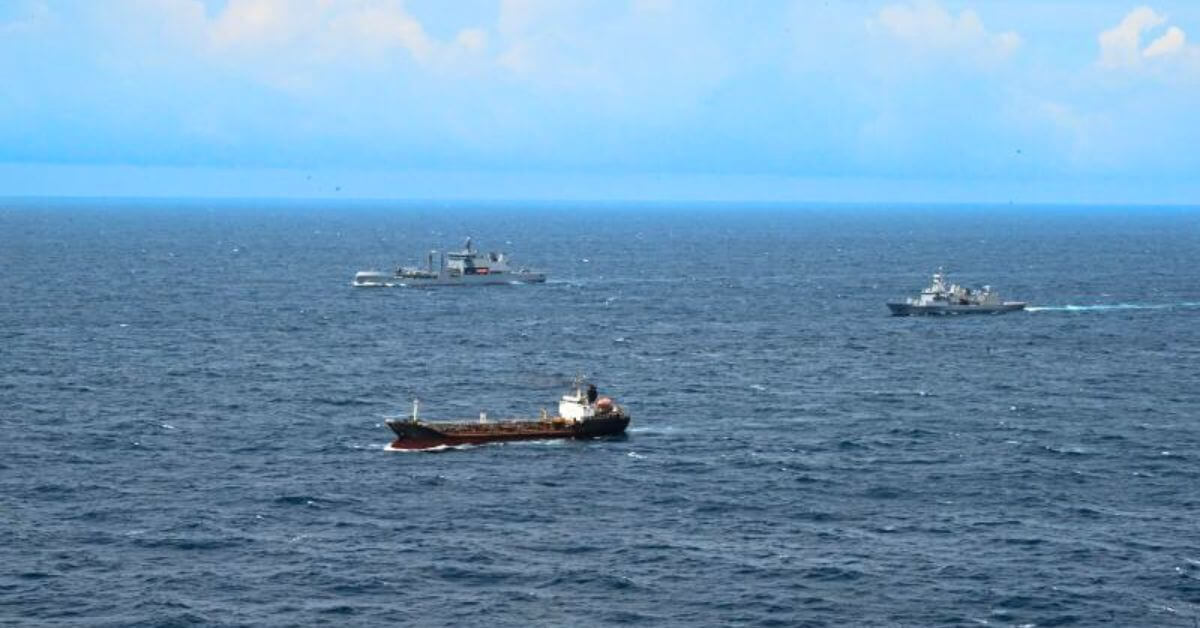
Kiwi Frigate Monitors Sanctions, Enhancing Global Maritime Security Intelligence
For three months, a Royal New Zealand Navy task group has monitored possible violations of UN sanctions against North Korea, turning a routine patrol into a concrete measure of maritime accountability. This is the kind of quiet, persistent work that gives "ocean intelligence" its weight. The deployment strengthens global security, yet it rarely makes headlines. It should. For deeper context on how regional navies are expanding their reach, see our related piece, "New Zealand Vessels Traverse Taiwan Strait En Route to Philippines Exercise.

Optimizing Autonomous Shipping: Data-Driven Navigation for Efficiency and Sustainability
Autonomous shipping promises safer, cleaner seas, but only if navigation systems stop treating the ocean as an obstacle course. Our new Social-Cognitive Navigation Framework (SCNF) tackles this head-on, using historical AIS data and recursive reasoning to cut unnecessary maneuvers while keeping collision rates at zero in trials. It is not just about avoiding the other vessel; it is about reducing disturbance and operational demand. For broader maritime context, our coverage of the Kiwi Frigate's sanctions monitoring shows how data-driven awareness is reshaping naval operations.
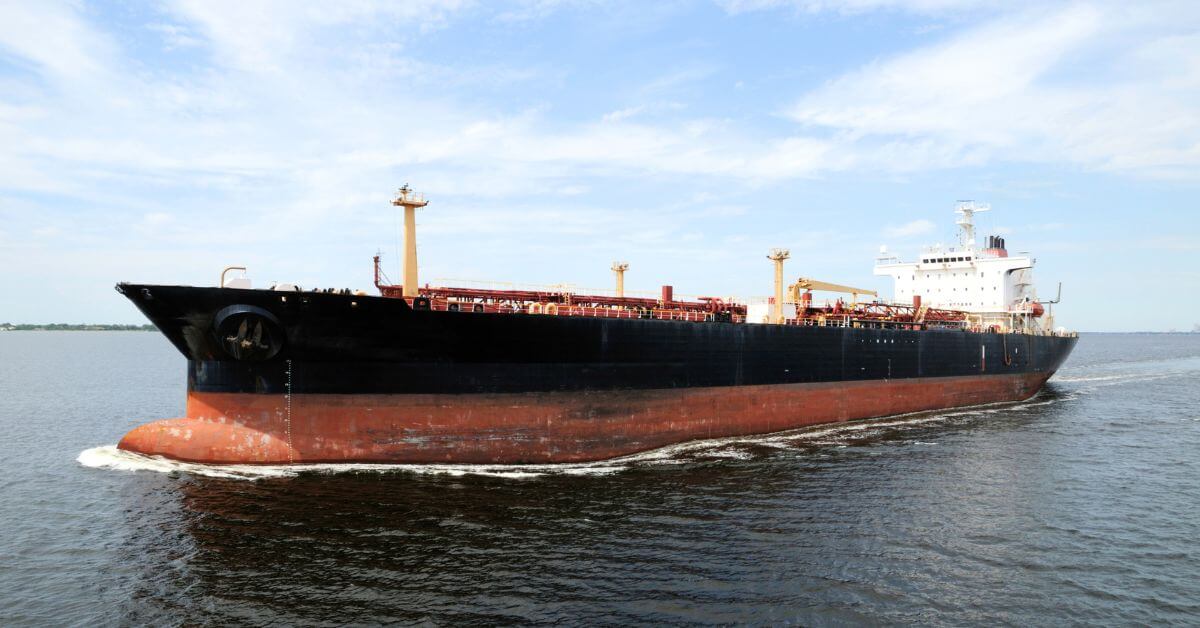
Yemen Investigates Sanctioned Tanker Incident, Scrutinizes Port Entry.
Yemeni authorities have opened an investigation into a sanctioned tanker's voyage, cargo, and documents, with particular scrutiny on its entry into Ras Isa. The move signals a firm, measured response to a vessel operating under heightened international restrictions. It is a necessary step toward accountability, though questions remain about how such entries were cleared in the first place. For broader context on regional pressure points, our coverage of Gulf of Oman STS transfers offers useful perspective.
Advancing Maritime Awareness: Deep Learning for Complex Ocean Environments
A review of maritime object detection reveals how far deep learning has come in addressing the challenges of dynamic sea surfaces, low signal-to-noise ratios, and limited annotated datasets. The synthesis of methods across optical, SAR, MBES, and UAV platforms, alongside AIS data, points to a field maturing toward operational reliability. For civilian applications like port management and environmental risk assessment, this matters. We still face gaps in cross-sensor benchmarking and real-time deployment.
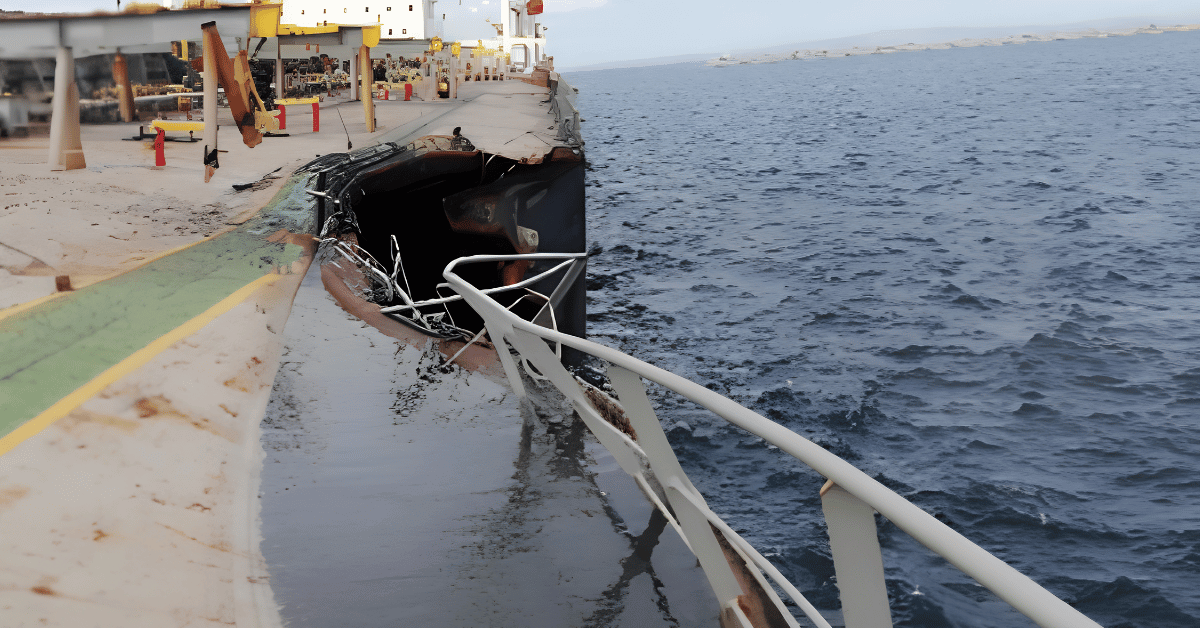
Unmonitored Vessel Contributes to Collision in Dense Fog TSS Area
In dense fog, a bulk carrier collision in a busy TSS reveals a critical gap: an unmonitored vessel went unnoticed. This incident underscores that navigation safety depends on complete situational awareness, not just the traffic that is actively tracked. The loss of oversight in a high-density corridor is a measurable failure of maritime intelligence. For deeper context on how navies and data systems are addressing such gaps, see our related coverage on the "Kiwi Frigate Monitors Sanctions, Enhancing Global Maritime Security Intelligence."
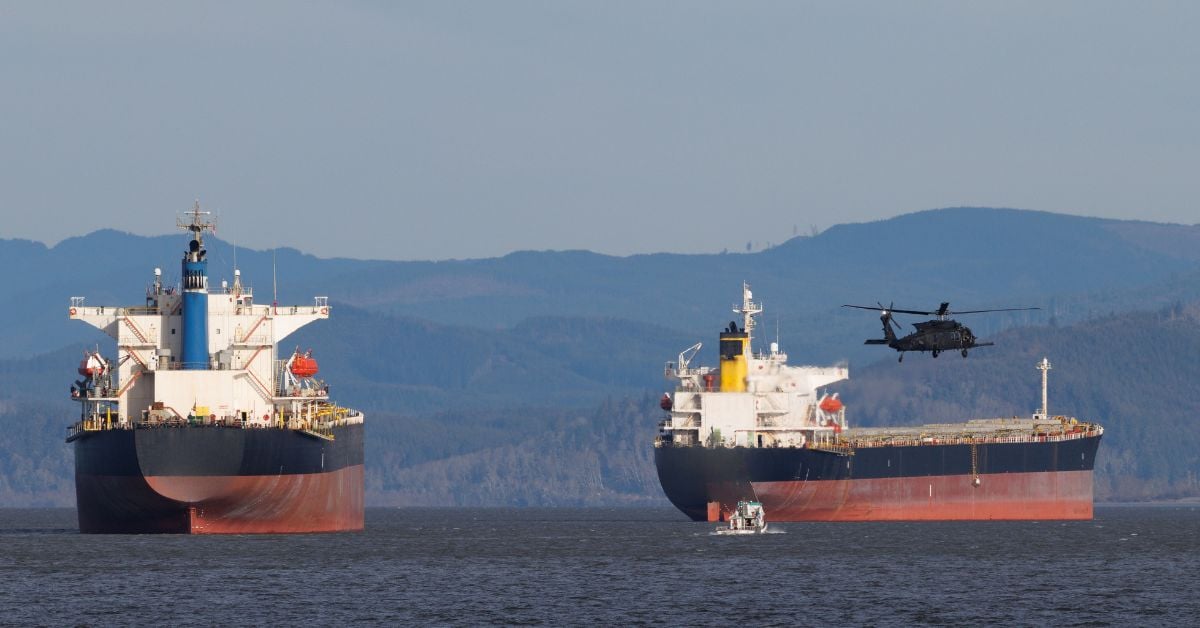
Cargo Ship Sinks Rapidly in Sea of Marmara Collision.
In the Sea of Marmara, a cargo ship carrying 4,200 tonnes of rolled steel sank in just 11 minutes after colliding with an empty chemical tanker. The speed of the loss is a stark reminder of how quickly maritime emergencies can escalate. Rapid response remains critical, yet this incident underscores the need for continuous scrutiny of vessel traffic and navigation protocols.
Evaluating Maritime Safety Actions: A Data-Driven Approach to Risk Reduction
AIS-based near-miss counts offer a practical lens for evaluating maritime safety actions, yet the Ningbo, Zhoushan special safety action shows no robust reduction in navigational risk under this framework. The baseline estimate is positive but statistically insignificant, and event-study results confirm no persistent effect. This matters because behavior-level indicators can reveal what accident statistics cannot. The framework's value lies in its method, not the null result.

Healy Icebreaker Returns to Seattle Following Engineering Casualty During Trials
The Healy's unplanned return to Seattle on July 13, towed by tugboats after an engineering casualty interrupted its trials, is a stark reminder that even the most capable vessels answer to the sea's unforgiving standards. The Coast Guard's concise statement leaves the damage unspoken, yet the disruption underscores a hard truth: reliability is the quiet backbone of polar operations. As Russia calibrates export revenue for its own icebreaker fleet, the contrast sharpens, our maritime ambitions must be matched by mechanical resilience.

Security Team Fires Warning Shots After Vessel Approached Off Yemen
Armed security teams on a commercial vessel fired warning shots after an approaching boat closed to within five cables off Yemen, a stark reminder that maritime threats persist even as regional trade patterns shift. The incident underscores the calibrated response required to protect crews without escalating violence. Such measured actions reflect the discipline behind modern ocean security. For broader context on regional pressures, our related coverage of Gulf of Oman STS transfers offers useful perspective. Understanding these dynamics drives safer seas.