Sea of Marmara
World Data Ocean keeps Sea of Marmara in one place: 6 stories so far. The section currently leads with “From ghost net to eyewear reclaiming Sea of Marmara marine debris”, “Engine Failure in Bosphorus Halts Traffic as 6,000-Ton Tanker Drifts Toward Shore”, and “Body of Captain Recovered Following Sea of Marmara Collision”. Ghost nets, abandoned fishing gear, are being pulled from the Sea of Marmara and transformed into eyewear. A 6,000-ton chemical tanker drifting toward shore in the Bosphorus is a stark reminder of how fragile maritime safety can be. A Global Hub for Ocean Intelligence 4 World Data Ocean is a centralized digital platform where researchers, scientists, and ocean enthusiasts converge to… The list below is every Sea of Marmara story on World Data Ocean, newest first.

From ghost net to eyewear reclaiming Sea of Marmara marine debris
Ghost nets, abandoned fishing gear, are being pulled from the Sea of Marmara and transformed into eyewear. DP World has partnered with Türkiye's Marine Life Conservation Society to reclaim this marine debris, recycling it into sunglasses. It is a tangible, measurable step toward ocean intelligence: removing a persistent hazard while proving that waste can become resource. This project mirrors the scale of the *Two billion dollars in waste infrastructure turns pollution into measurable global impact* initiative, where investment turns environmental liability into opportunity.
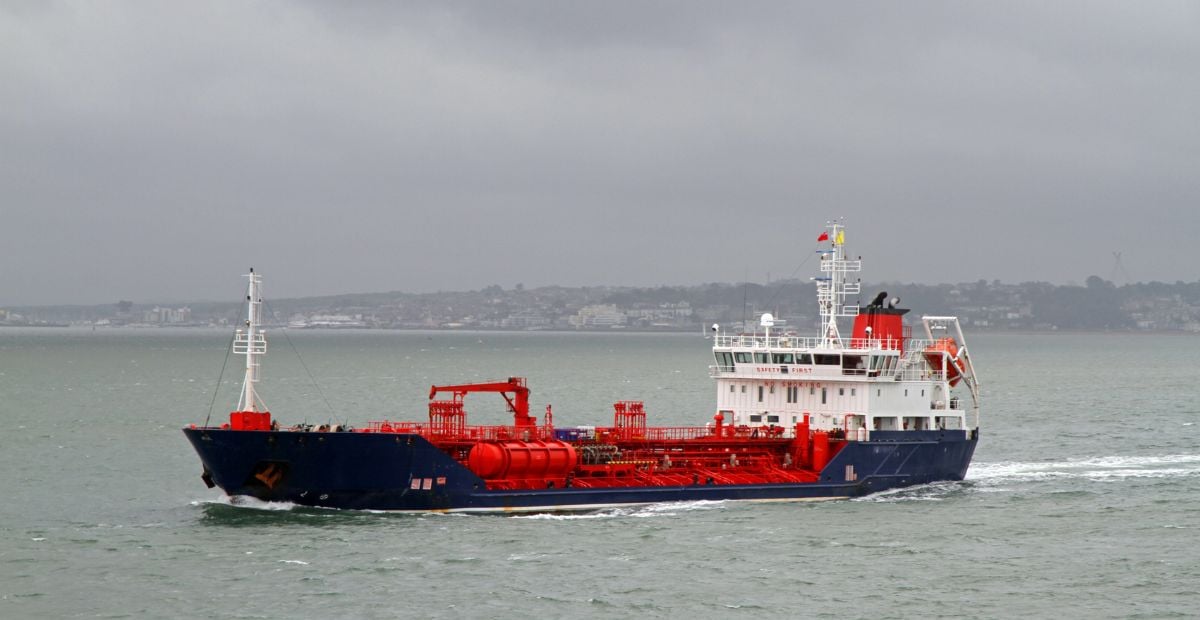
Engine Failure in Bosphorus Halts Traffic as 6,000-Ton Tanker Drifts Toward Shore
A 6,000-ton chemical tanker drifting toward shore in the Bosphorus is a stark reminder of how fragile maritime safety can be. The IVYAN's engine failure halted one of the world's busiest straits, demanding immediate coordination from local authorities. These incidents underscore why integrated monitoring and real-time data are essential for navigational security. For context on regional risks, see our coverage of the drone-struck abandoned cargo ship drifting through the Black Sea toward Bulgaria.
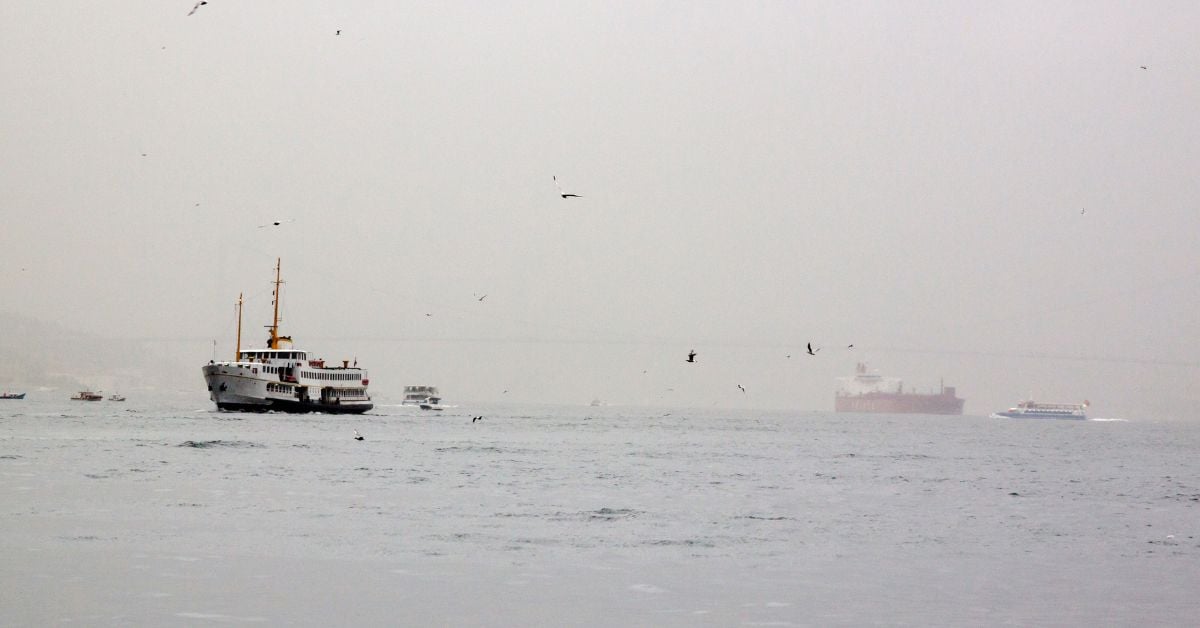
Body of Captain Recovered Following Sea of Marmara Collision
The recovery of Yaşar Kayhan's body, found five kilometers from the Sea of Marmara collision site, brings a somber closure to a search that began with uncertainty. Now transported to the forensic department, the focus shifts to determining the cause of death with empirical precision. This incident underscores the inherent risks of maritime operations, where every voyage carries measurable stakes. For deeper context on regional maritime dangers, our coverage of the fatal attack on a cargo ship in the Black Sea highlights similar vulnerabilities.
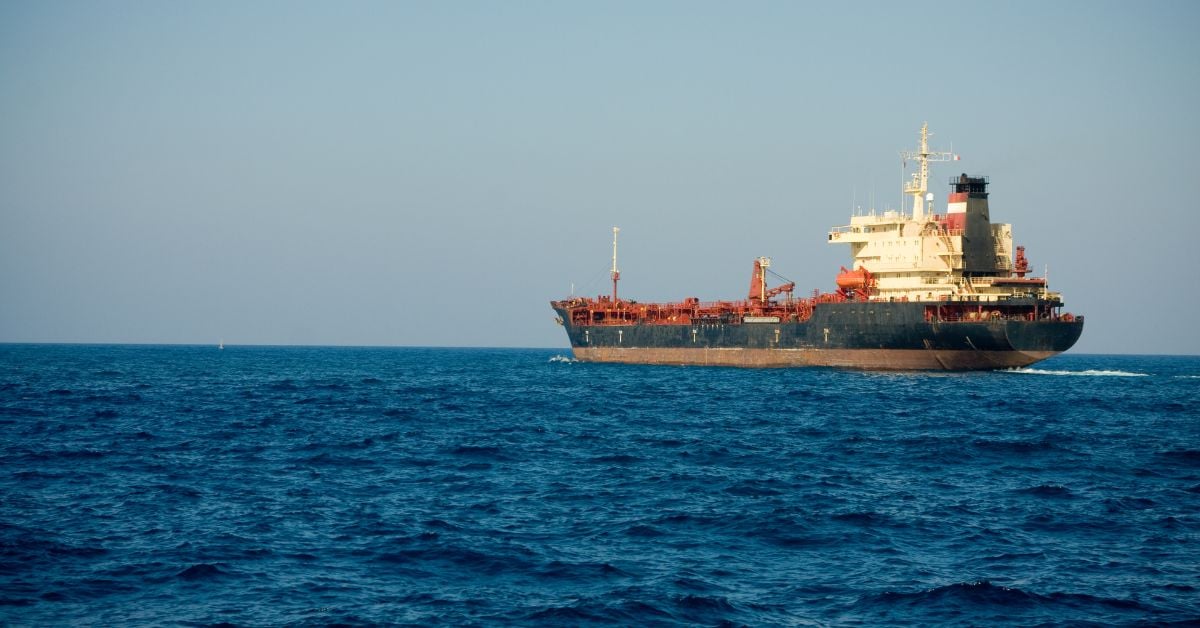
Collision Investigation: Captain and Officer Face Negligent Homicide Charges
The arrest of the ALSU's captain and 3rd Officer on negligent homicide charges marks a decisive turn in the collision's aftermath. Police acted with purpose, holding command accountable for a tragedy that demands answers. This is not about assigning blame prematurely; it is about measuring responsibility against empirical evidence. When lives are lost at sea, the standard must be exacting. For context on maritime risks, our coverage of the cargo ship fire near Mykonos underscores how quickly operations can escalate.
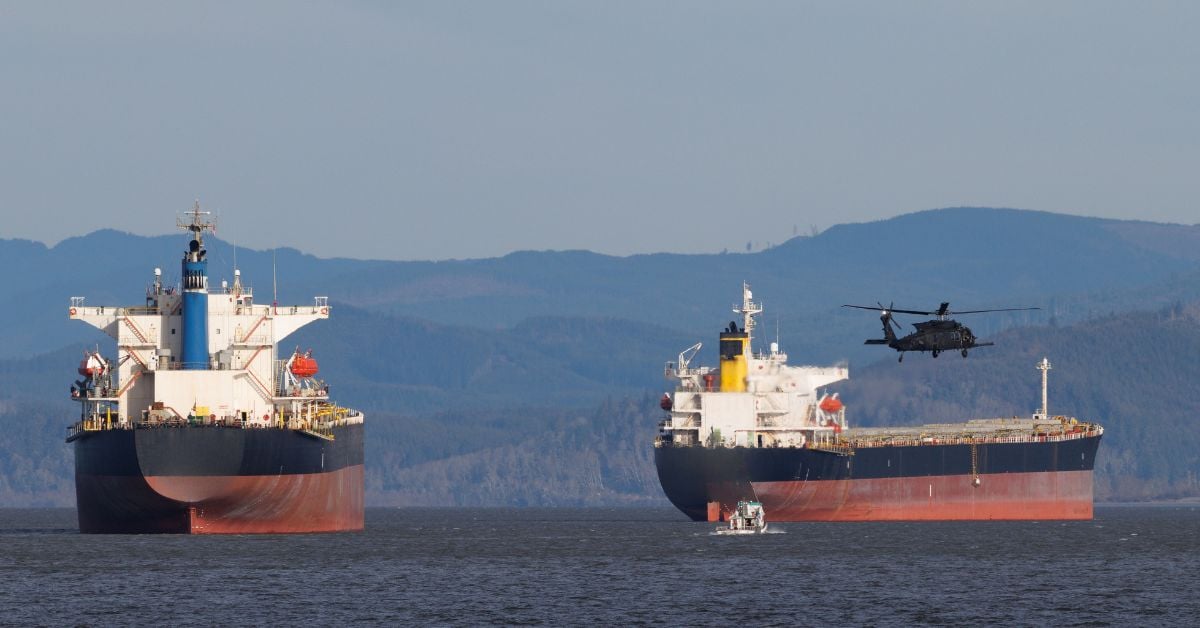
Cargo Ship Sinks Rapidly in Sea of Marmara Collision.
In the Sea of Marmara, a cargo ship carrying 4,200 tonnes of rolled steel sank in just 11 minutes after colliding with an empty chemical tanker. The speed of the loss is a stark reminder of how quickly maritime emergencies can escalate. Rapid response remains critical, yet this incident underscores the need for continuous scrutiny of vessel traffic and navigation protocols.

SAIPEM 7000 Transit Highlights Maritime Traffic and Ocean Operations.
The SAIPEM 7000, the world's third-largest crane ship, recently transited the Dardanelles Strait, a maneuver that underscores the constant, calibrated movement underpinning global maritime operations. This heavy-lift and pipelay vessel represents the integrated infrastructure that keeps energy supply chains moving. For readers tracking these dynamics, our coverage of "Gulf of Oman STS Transfers Max Out Amid Rising Saudi Oil Exports" offers a complementary view of how vessels adapt to shifting demand. Understanding these operational rhythms is key to measuring real-world climate and trade indicators.