shipping lane
shipping lane at World Data Ocean is a file of 5 stories. The newest of them: “Cargo Ship Sinks Rapidly in Sea of Marmara Collision.”, “Naval Operations Validate Strait of Hormuz Shipping Lane Clearance”, and “Oman Incident: Explosion Near Tanker Highlights Regional Maritime Risks”. In the Sea of Marmara, a cargo ship carrying 4,200 tonnes of rolled steel sank in just 11 minutes after colliding with an empty chemical tanker. The Traffic Separation Scheme in the Strait of Hormuz has been validated as clear, a tangible result of naval mine-clearance operations that underscores the value of methodical, measured action. A Global Hub for Ocean Intelligence 4 World Data Ocean is a centralized digital platform where researchers, scientists, and ocean enthusiasts converge to… The list below is every shipping lane story on World Data Ocean, newest first.
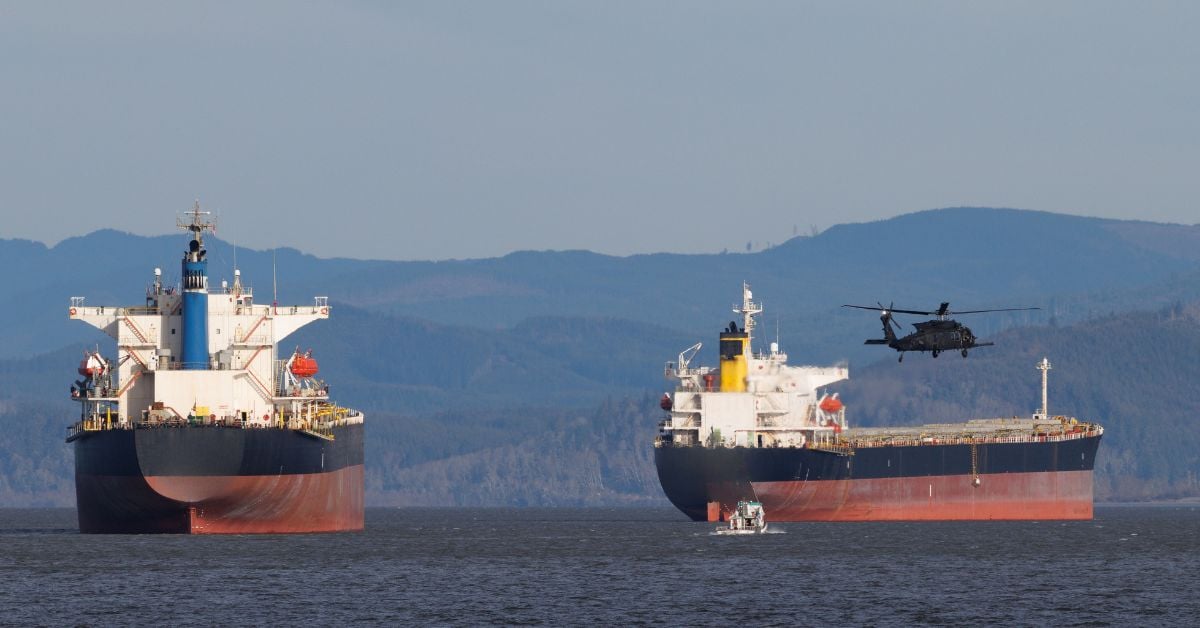
Cargo Ship Sinks Rapidly in Sea of Marmara Collision.
In the Sea of Marmara, a cargo ship carrying 4,200 tonnes of rolled steel sank in just 11 minutes after colliding with an empty chemical tanker. The speed of the loss is a stark reminder of how quickly maritime emergencies can escalate. Rapid response remains critical, yet this incident underscores the need for continuous scrutiny of vessel traffic and navigation protocols.

Naval Operations Validate Strait of Hormuz Shipping Lane Clearance
The Traffic Separation Scheme in the Strait of Hormuz has been validated as clear, a tangible result of naval mine-clearance operations that underscores the value of methodical, measured action. This is not about grand gestures; it is about ensuring a critical artery for global energy remains open and dependable. The work aligns with the broader push toward maritime stability, and our recent coverage of Gulf of Oman STS transfers maxing out reinforces how vital these lanes are.

Oman Incident: Explosion Near Tanker Highlights Regional Maritime Risks
An explosion was heard near an oil products tanker approximately 20 nautical miles northeast of Khasab, Oman, at 4:37 am on Monday, underscoring the persistent volatility shadowing regional shipping lanes. The incident, while brief, is a measured reminder that maritime transit here remains exposed to sudden, destabilizing events. Such moments demand calibrated observation, not alarm. For context on how these waters are already straining under pressure, our related piece on Gulf of Oman STS transfers maxing out offers useful perspective.

Strait of Hormuz Attack Impacts Maritime Traffic, Claims One Life.
Missile strikes against the Mombasa and Al Bahiyah have set fires ablaze in the Strait of Hormuz, claiming one life and disrupting the flow of maritime traffic through a waterway that carries a fifth of global oil. The UAE Ministry of Defence confirmed the attacks, underscoring how fragile this strategic chokepoint has become. This incident adds to the pressure on shipping lanes already strained by regional tensions.

Strait of Hormuz Incident: Geopolitical Tensions Impact Maritime Trade
The Strait of Hormuz is a chokepoint, and the strikes on the Mombasa and Al Bahiyah prove how quickly that geography translates into real-world consequence. Two Iranian cruise missiles targeting commercial tankers is not a background noise issue; it is a direct fiscal and physical threat to the lanes that move global energy. The incident demands a measured response, not alarm.