This German submarine sank in 1917. It’s still leaking TNT
Our take
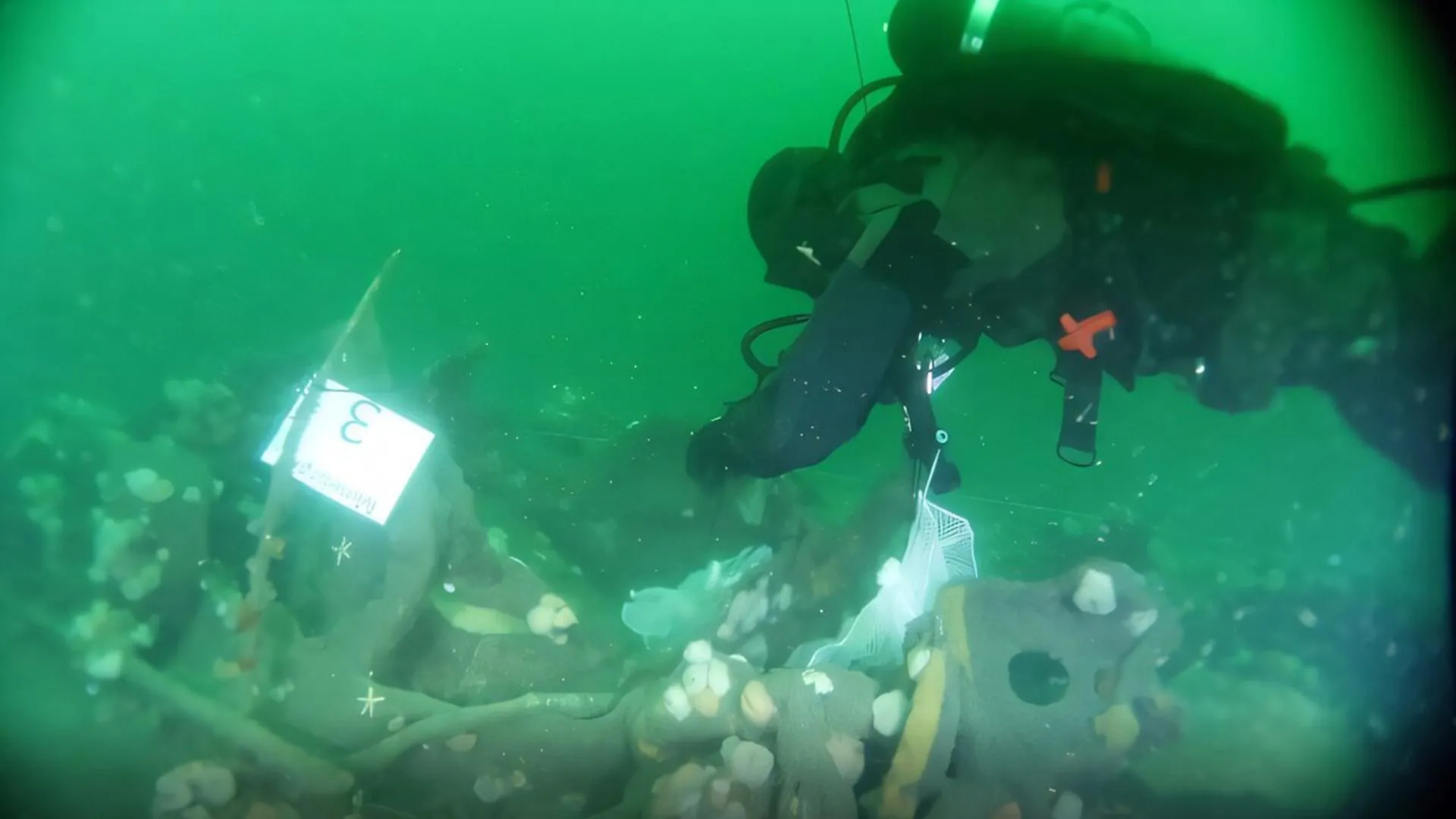
The recent discovery of ongoing TNT leakage from a World War I German submarine wreck off the coast of Denmark presents a sobering reminder of the long-term environmental consequences of maritime conflict. The slow, insidious release of explosives into the marine ecosystem, over a century after the vessel’s sinking, underscores a growing, and largely unaddressed, global challenge. This incident isn't isolated; thousands of similar wrecks, remnants of past wars and maritime disasters, lie scattered across the ocean floor, potentially posing similar risks. The scale of the problem is difficult to fully grasp, but it’s clear that the legacy of human activity at sea extends far beyond the immediate aftermath of events. Consider, for instance, the ongoing efforts related to the [Salvors Pull MSC Baltic III Wreck Closer To Shore After Being Grounded Since February 2025], which highlights the complexities and costs associated with managing modern maritime incidents, a situation magnified exponentially when considering the sheer number of historical wrecks. Further complicating matters, recent geopolitical tensions, as illustrated by the [Russian Captain And Senior Crew Of Ship On Trial In Finland Over Subsea Cable Damage], underscore the potential for increased maritime activity and accidental damage, further contributing to the risk of releasing hazardous materials.
The scientific warning about these submerged time bombs is particularly pertinent given the increasing focus on ocean health and the impact of human activities on marine ecosystems. TNT, a highly toxic compound, can persist in sediments for decades, impacting marine life through direct exposure and bioaccumulation within the food chain. While the immediate focus may be on the Danish wreck, the potential for similar contamination across vast stretches of ocean demands a coordinated and systematic assessment. Current ocean monitoring programs, while increasingly sophisticated thanks to innovations in ocean intelligence, are largely focused on contemporary pollution sources. The presence of these historical wrecks represents a significant blind spot, requiring a shift in methodology and resource allocation to accurately gauge the cumulative environmental burden. The ongoing advancements in submarine tracking technology, such as those demonstrated in [China Uses Warship Sounds To Improve Submarine Target Tracking], while primarily focused on military applications, could be adapted to assist in the identification and mapping of potential wreck sites, offering a starting point for further investigation.
Beyond the immediate environmental risks, the issue raises complex legal and ethical questions. Determining responsibility for the cleanup of these wrecks, many of which occurred during periods of international conflict, is fraught with difficulty. Existing maritime law offers limited guidance, and the cost of remediation is often prohibitive. The preservation of historical artifacts and the potential archaeological significance of these wrecks further complicate the decision-making process. A collaborative, international framework is needed to establish clear protocols for assessing the environmental risks posed by submerged wrecks and to develop sustainable strategies for mitigation, balancing the need for environmental protection with the preservation of maritime heritage. This will necessitate a robust, integrated data ecosystem that incorporates historical records, hydrographic surveys, and real-time environmental monitoring.
Ultimately, the leaking TNT from the WWI submarine serves as a powerful, albeit uncomfortable, illustration of the enduring impact of human actions on the ocean. The challenge now is to move beyond reactive responses to individual incidents and to proactively assess and mitigate the risks posed by the vast number of submerged wrecks scattered across the globe. The question remains: can we develop the scientific tools, legal frameworks, and international collaborations necessary to address this largely forgotten environmental threat before it escalates into a widespread crisis, and what long-term climate indicators will best help us measure success in these efforts?
Read on the original site
Open the publisher's page for the full experience