maritime archaeology
World Data Ocean keeps maritime archaeology in one place: 5 stories so far. The section currently leads with “Australia's first home-built warship located after 128 years”, “Where Artifacts Anchor Life: Maritime Archaeology Meets Reef Ecology”, and “Centennial TNT Leak Highlights Risks from Historic Submarine Wrecks”. The wreck of HMCS Spitfire, Australia's first home-built warship, has been found off Far North Queensland exactly 128 years after it sank. Where Artifacts Anchor Life asks a question many of us in the sciences have faced: whether to deepen expertise or broaden foundations. A Global Hub for Ocean Intelligence 4 World Data Ocean is a centralized digital platform where researchers, scientists, and ocean enthusiasts converge to… The list below is every maritime archaeology story on World Data Ocean, newest first.
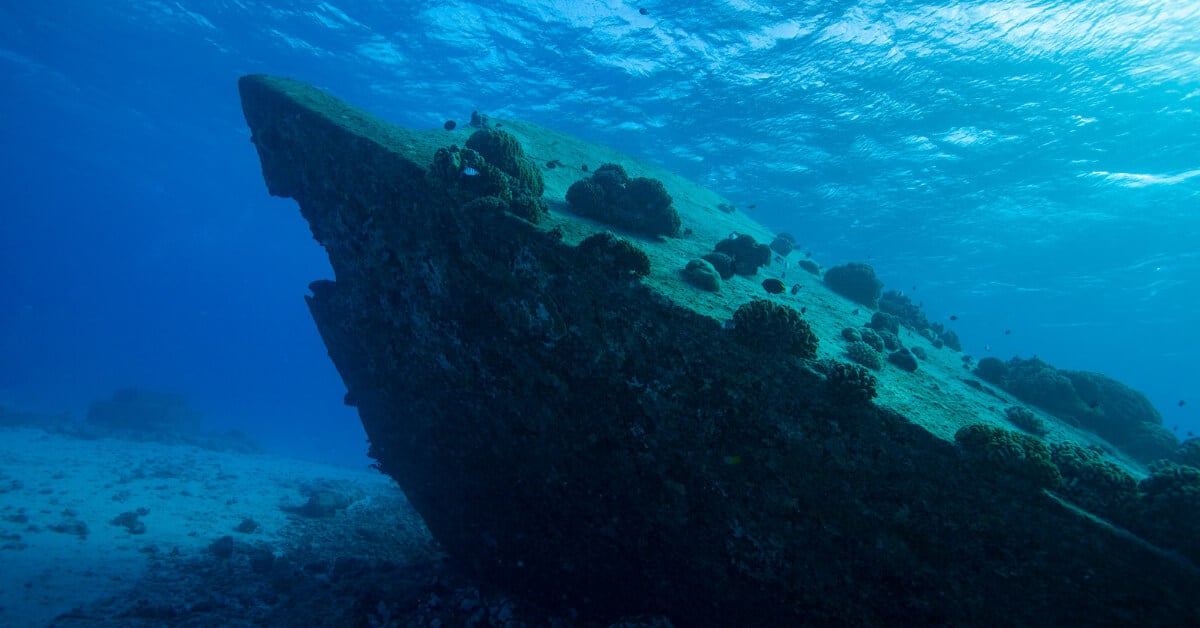
Australia's first home-built warship located after 128 years
The wreck of HMCS Spitfire, Australia's first home-built warship, has been found off Far North Queensland exactly 128 years after it sank. This is a validated piece of maritime history, a tangible link to the nation's early naval capability. Discovery like this reminds us that ocean intelligence extends beyond climate indicators; it also preserves our shared heritage. For deeper context on modern naval challenges, see our coverage of the Arctic Hunter uncrewed vessel proposal. Understanding drives protection, whether of history or the future.
Where Artifacts Anchor Life: Maritime Archaeology Meets Reef Ecology
Where Artifacts Anchor Life asks a question many of us in the sciences have faced: whether to deepen expertise or broaden foundations. A maritime archaeology program with oceanography and marine biology electives is a validated, integrated path, not a detour. You already have empirical research experience and peer-reviewed work. That foundation is measurable. Adding targeted coursework in reef ecology will likely qualify you for further graduate study without starting over.
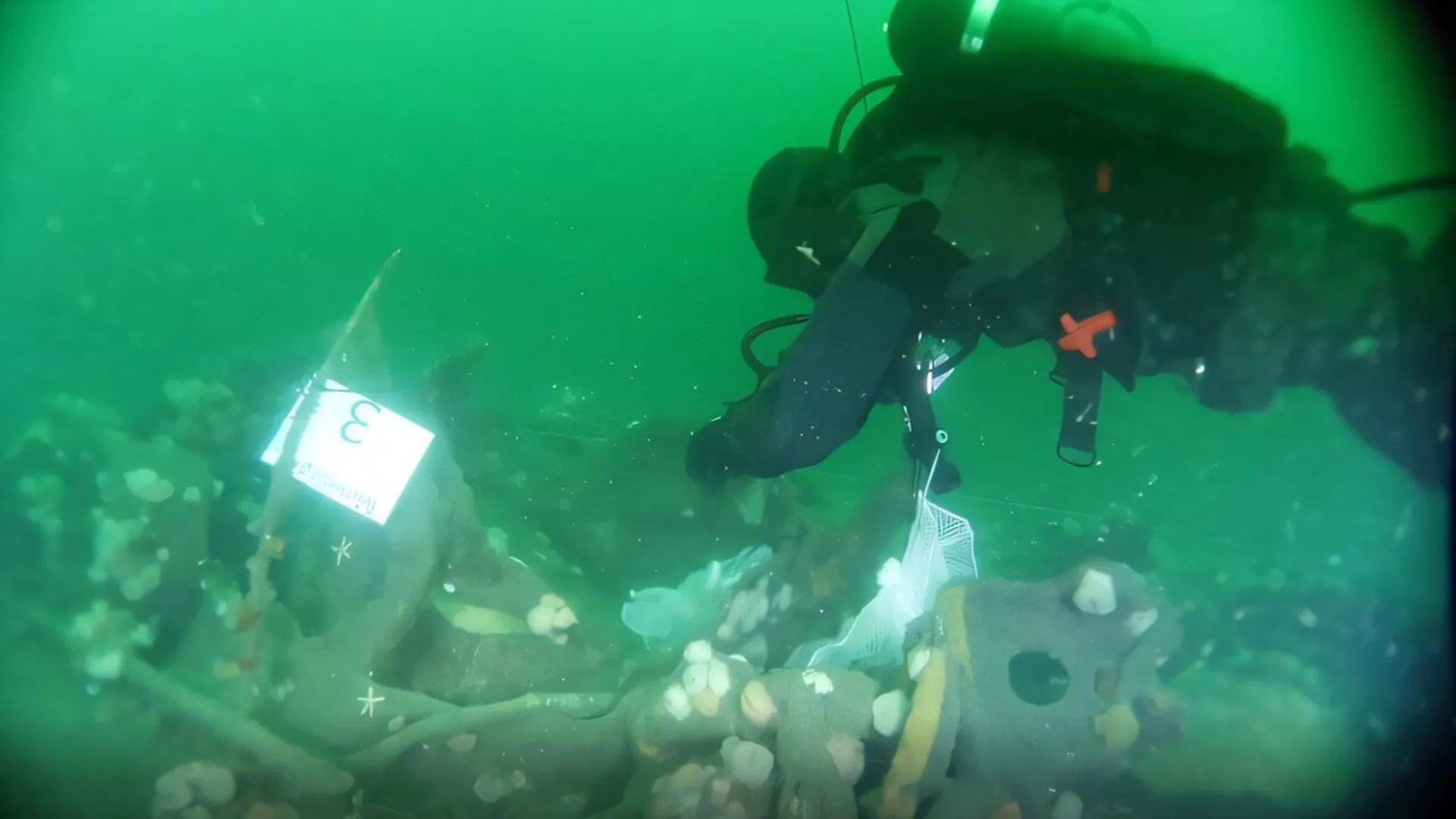
Centennial TNT Leak Highlights Risks from Historic Submarine Wrecks
A century after sinking, a World War I submarine wreck off Denmark is leaking TNT into the surrounding water, seabed, and marine life. This is not a distant historical footnote, it is a measurable, real-time warning. Thousands of similar corroding wrecks could pose growing environmental risks. Understanding drives protection. For deeper coverage of maritime challenges, see our related article on India's expanded naval fleet, which reflects the evolving pressures on our oceans.

Unearthing Viking History: New Insights from a 1,000-Year-Old Burial.
A thousand years after a Viking chieftain was laid to rest, a team from the University of Stavanger's Museum of Archaeology has reopened the burial mound first examined in 1902. Their work reminds us that even well-studied sites hold untold chapters. Revisiting old evidence with new questions is how ocean intelligence deepens. For more on how nations navigate shared waters today, see our piece on NATO's intervention regarding Russian subsea cable activity.

Historic Iron Ore Shipwreck, F.J. King, Gains National Recognition
The F.J. King, a historic iron ore shipwreck, has gained national recognition, and the designation is well earned. The vessel was carrying a cargo of iron ore from Escanaba, Michigan, to Chicago when the crew lost control of a leak that spelled the vessel's end. It is a precise, measurable piece of maritime history, a reminder that the lake's waters hold stories of industry and loss.