water
World Data Ocean keeps water in one place: 17 stories so far. The section currently leads with “Citizen observation confirms manatee presence in Panama's San San Pond Sak”, “An Atlantic water mass reveals its global circulation pathway”, and “Unidentified Marine Life Observed in South Florida Waters”. A single verified sighting of a manatee in Panama's San San Pond Sak is more than a traveler's anecdote, it's a validated data point for ocean intelligence. A single Atlantic water mass now reveals its global circulation pathway, the "Grand Tour" it takes around the world. A Global Hub for Ocean Intelligence 4 World Data Ocean is a centralized digital platform where researchers, scientists, and ocean enthusiasts converge to… The list below is every water story on World Data Ocean, newest first.

Citizen observation confirms manatee presence in Panama's San San Pond Sak
A single verified sighting of a manatee in Panama's San San Pond Sak is more than a traveler's anecdote, it's a validated data point for ocean intelligence. The murky water may lack postcard clarity, but it holds empirical value. Citizen observations like this strengthen our integrated data ecosystem, turning local encounters into measurable climate indicators. For deeper context on how community reports fill research gaps, see our related coverage of a validated beach find in Costa Rica.

An Atlantic water mass reveals its global circulation pathway
A single Atlantic water mass now reveals its global circulation pathway, the "Grand Tour" it takes around the world. Scripps Institution of Oceanography maps this journey with empirical precision, showing how a current that begins near the Azores becomes a measurable, real-time climate indicator across hemispheres. Understanding drives protection. For deeper context on how we validate such ocean intelligence, see our coverage of the calibrated global salinity dataset.

Unidentified Marine Life Observed in South Florida Waters
A community post about unidentified marine life in South Florida waters raises the kind of question that drives ocean intelligence forward. The observer's surprise at seeing these creatures "swing" in the water is a reminder that our understanding of marine ecosystems remains incomplete. Validated observation, even anecdotal, is a starting point for empirical inquiry. We encourage further reporting and documentation, as such data can contribute to a more integrated data ecosystem.
Unexplained Acoustic Event Detected in Southern Italian Waters
A sudden, sharp crack beneath the surface is not a typical feature of coastal waters, yet that is precisely what one swimmer reported off southern Italy. The sound was not a solitary event; it repeated for minutes, faded, then returned with the same intensity. The observer noted a directional quality, suggesting a source within the water column rather than a personal auditory anomaly. It is a compelling, empirical mystery.
Unveiling Ocean Insights: Five Unexpected Facts from World Data Ocean
Beneath the waves, discovery often rewrites what we thought we knew. World Data Ocean's latest findings challenge assumptions about marine life, and the implications are as practical as they are profound. This is the kind of data that sharpens our understanding of ocean intelligence, offering measurable insights for researchers and policymakers alike. It is a reminder that empirical observation still leads the charge in ocean stewardship.
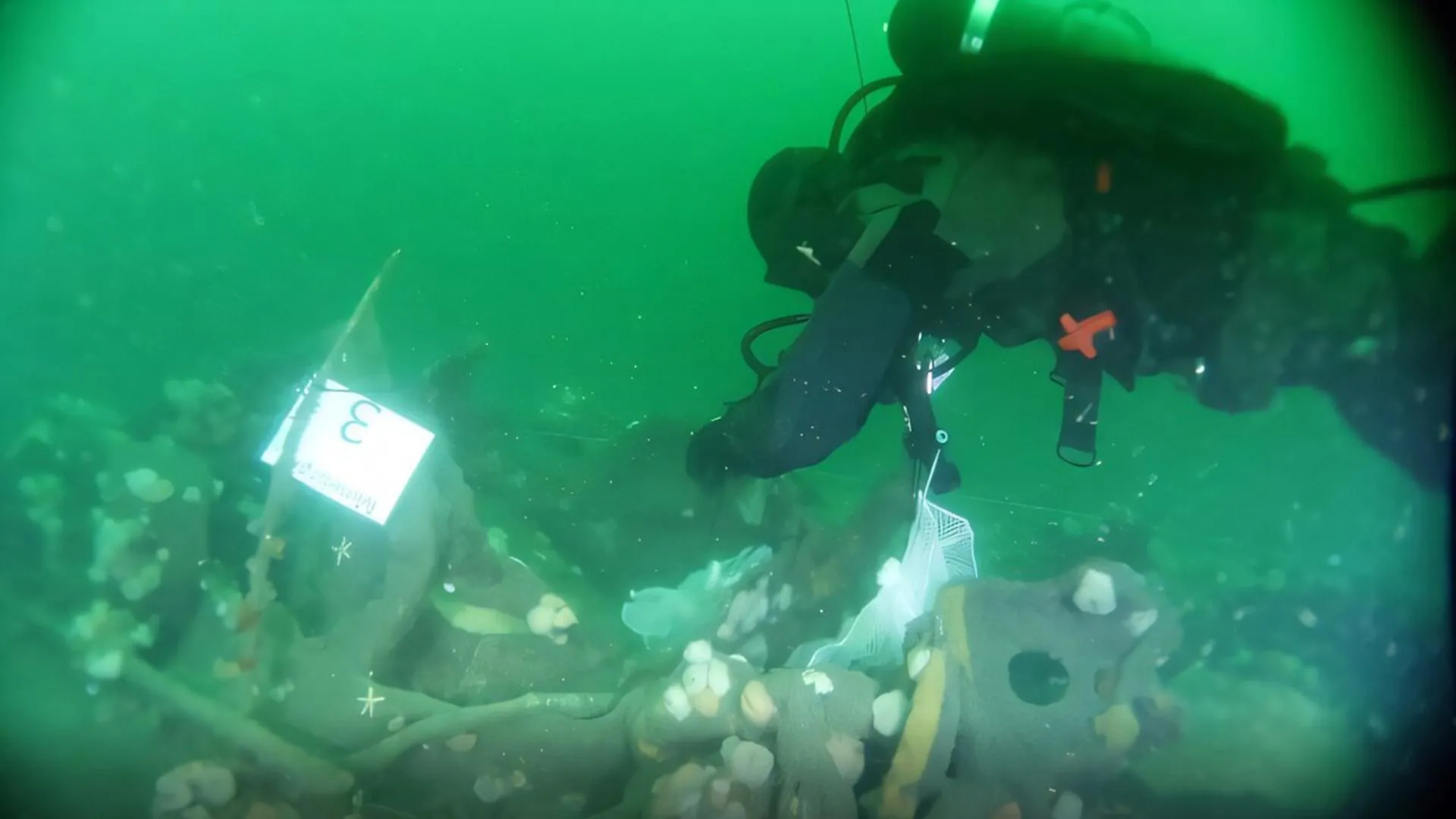
Centennial TNT Leak Highlights Risks from Historic Submarine Wrecks
A century after sinking, a World War I submarine wreck off Denmark is leaking TNT into the surrounding water, seabed, and marine life. This is not a distant historical footnote, it is a measurable, real-time warning. Thousands of similar corroding wrecks could pose growing environmental risks. Understanding drives protection. For deeper coverage of maritime challenges, see our related article on India's expanded naval fleet, which reflects the evolving pressures on our oceans.
Ocean Stewardship: Validated Data for a Sustainable Future.
The ocean holds more data than we have yet learned to trust. Ocean Stewardship: Validated Data for a Sustainable Future centers on that gap, turning raw observation into peer-reviewed action. We are not asking for blind faith in technology; we are asking for calibrated, measurable responses to climate indicators. This is how we save oceans, not through alarm, but through integrated data ecosystems that guide policy and practice.

Atlantic Current Weakening: Empirical Data Reveals Accelerated Change.
The Atlantic Meridional Overturning Circulation is losing its grip, and the empirical record is unambiguous. New studies confirm this vital current system is weakening faster than projected, edging closer to a threshold that would redraw global climate patterns. This is not speculation; it is calibrated, peer-reviewed observation. We treat the data with the gravity it demands, because the measured shift is a direct signal of our collective impact.

Visual Ecology: A New Framework for Early Wetland Health Diagnosis
Color alone will not save a wetland, but it may help us see one failing sooner. A new framework argues that hue, saturation, and lightness can act as an integrative signal across vegetation, soil, and water, turning a fragmented monitoring landscape into a unified observation domain. This is a practical, low-barrier front end for faster triage and broader participation. It deserves attention. For related context on environmental stressors, see our coverage of invasive species impact on seagrass.
Ocean Temperatures Reach Record High, Validating Climate Change Indicators.
August's ocean temperatures set a new record, and the data is unambiguous. This isn't a fleeting anomaly; it's a measurable signal that aligns with established climate indicators. We track these shifts because they carry consequences far beyond the surface. For those seeking to understand the mechanisms at play, our coverage of how magma and microbial activity may rewrite a 2-billion-year-old carbon signal offers a deeper, peer-reviewed perspective. The ocean is speaking in records; our role is to listen with calibrated, scientific rigor.
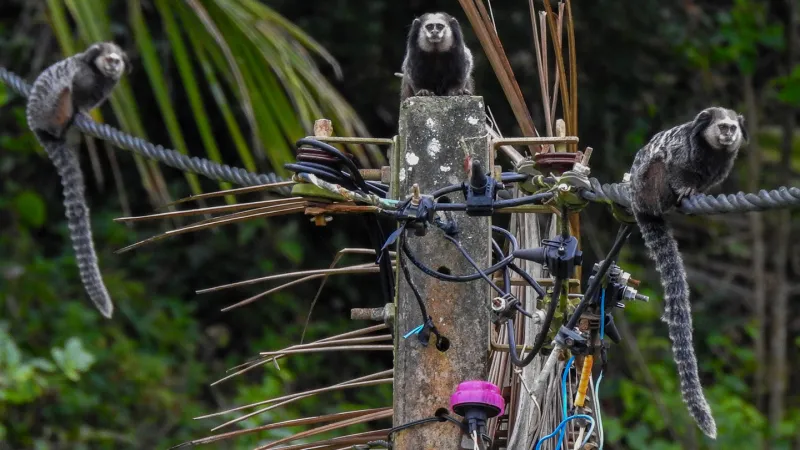
Drought's Reach: Wildlife Migration May Trigger Yellow Fever in Brazil
Drought can move more than dust. In Brazil, animals driven to find water carried the forest into the city, and may have triggered the country's first yellow fever outbreak in decades. That chain, from thirsty wildlife to urban transmission, is a stark measure of how climate stress reshapes disease risk. It is a reminder that ecological disruption rarely stays in the wild. For broader context on climate-driven change, see our piece on Atlantic Circulation Weakens: Global Climate Reshaping Predicted.

Eleuthera's Depths: Fieldwork Imagery from the Bahamas
Fieldwork imagery from Eleuthera's depths brings the Bahamas into sharper focus. The Olympus Tough TG-6 captures what survey work often misses: the quiet structure of reef systems and the play of light through clear water. These pictures remind us that visual documentation is its own form of measurement, complementing the data streams we rely on elsewhere. For readers tracking how coastal observations connect to broader ocean intelligence, our related piece on integrated subsea cables offers a wider lens on marine infrastructure.

Hidden Worlds: Discover the Microscopic Life of Ocean Plankton
A single drop of seawater holds a universe in motion, and this reel captures that hidden vibrancy with genuine curiosity. The original poster's enthusiasm for the aquarium's plankton microscope is contagious, and their call to identify the swirling zooplankton turns observation into a shared puzzle. It is a simple, honest invitation to look closer. For those inspired to explore how such microscopic life connects to broader systems, our related article on integrated subsea cables offers a glimpse into the vast network above these tiny creatures.

An Istrian Crab's Curious Behavior: Foraging or Surface Tension Play?
A crab on the Istrian shore held a stick for up to ten minutes, seemingly testing the water's surface tension. The behavior is curious, and the observer's instinct to question it is exactly the right scientific impulse. Whether this is foraging, camouflage, or something else entirely, we cannot yet say. Such observations, however small, remind us that ocean intelligence often hides in plain sight.
Ocean Salinity Shifts: A Longitudinal Analysis, 1955–1998
For four decades, the ocean has been quietly rewriting its own chemistry. The 2005 analysis by Boyer, published in *Geophysical Research Letters*, tracks linear salinity shifts from 1955 to 1998, offering empirical evidence of changing evaporation and precipitation patterns. This is not abstract data; it is a measurable climate indicator. Understanding these long-term trends sharpens our view of planetary change.
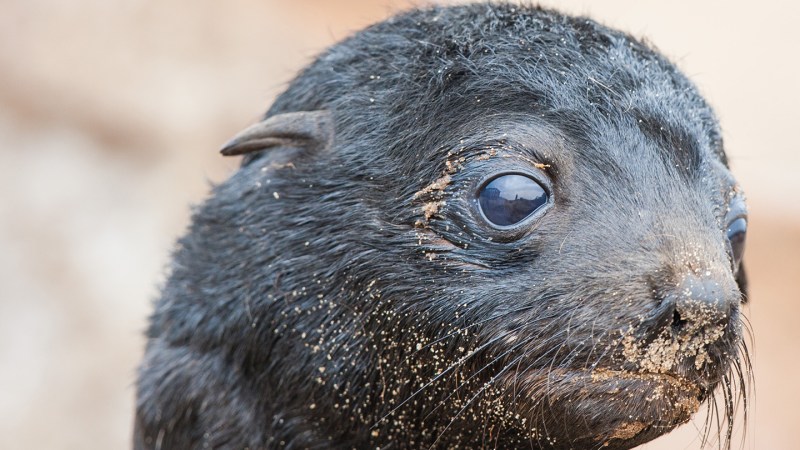
Evolutionary Scan Reveals Ancient Origins of Seals’ Dual Hearing
Pinnipeds hear with remarkable clarity in both air and water, a dual ability that evolved far earlier than previously understood. By scanning the ears of hundreds of marine mammals, researchers have traced this acoustic adaptability to ancient origins, revealing a sensory advantage that likely shaped their survival across changing environments. It is a precise, empirical reminder that evolution often works through subtle, measurable refinements.
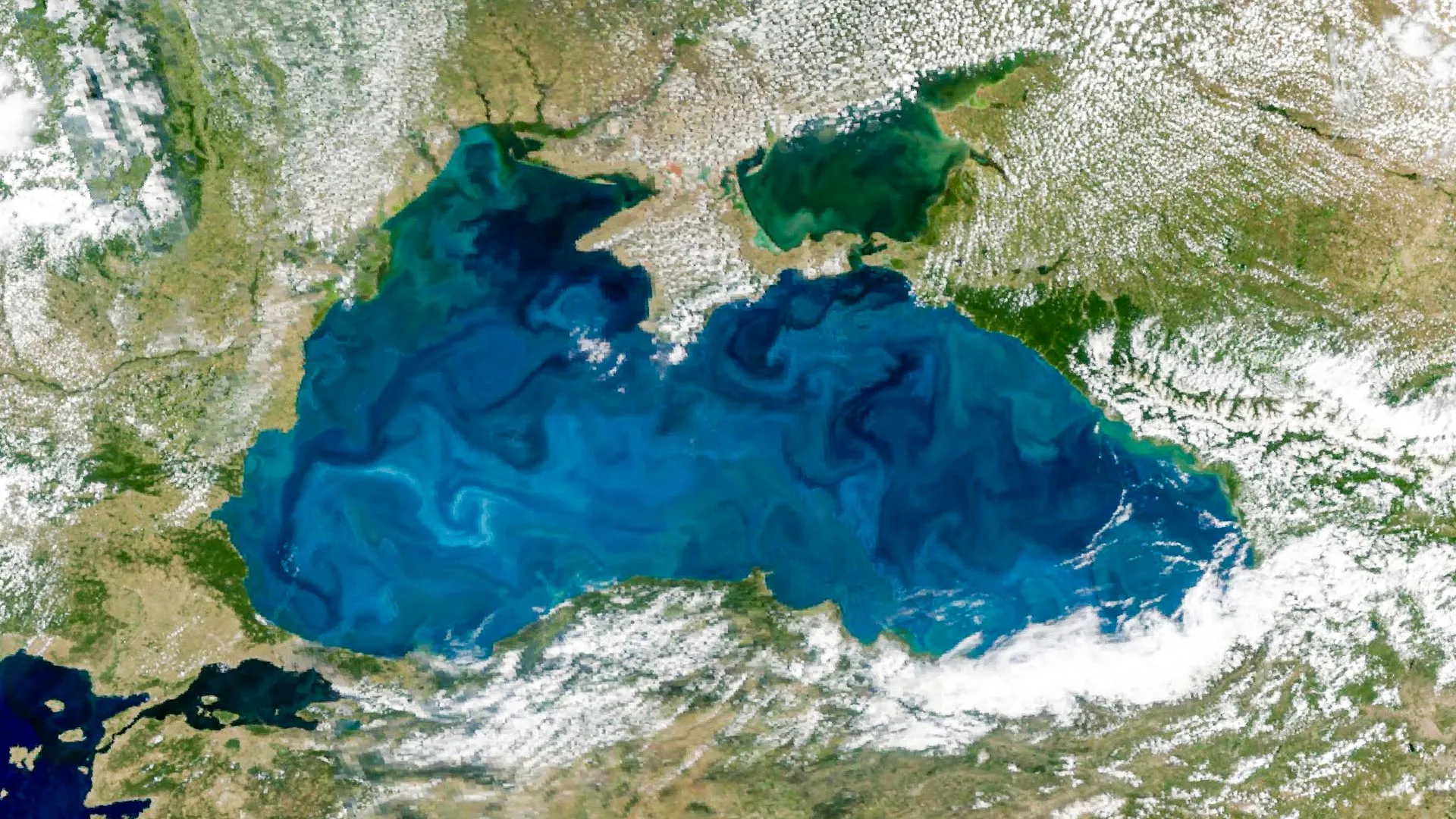
Black Sea Bloom: Satellite Data Reveals Turquoise Waters from Space
From orbit, the Black Sea has turned turquoise. NASA's PACE satellite captured the annual phytoplankton bloom, its reflective coccolithophore shells brightening the water enough to be seen from space. An astronaut on the International Space Station also photographed the bloom threading through the Bosphorus, where swirling currents reveal its reach. It is a striking reminder that ocean intelligence begins with observation, and that such calibrated data is essential for tracking the health of our shared seas.