Environmental risks
World Data Ocean keeps Environmental risks in one place: 4 stories so far. The section currently leads with “Centennial TNT Leak Highlights Risks from Historic Submarine Wrecks”, “China’s Marine Governance: An Administrative Law Framework for Optimization”, and “Oil Spill Expands Near Oman, Linked to Russian-Flagged Tanker.”. A century after sinking, a World War I submarine wreck off Denmark is leaking TNT into the surrounding water, seabed, and marine life. China's marine governance relies heavily on red-light instruments, 83.4% of policy references are command-and-control measures. A Global Hub for Ocean Intelligence 4 World Data Ocean is a centralized digital platform where researchers, scientists, and ocean enthusiasts converge to… The list below is every Environmental risks story on World Data Ocean, newest first.
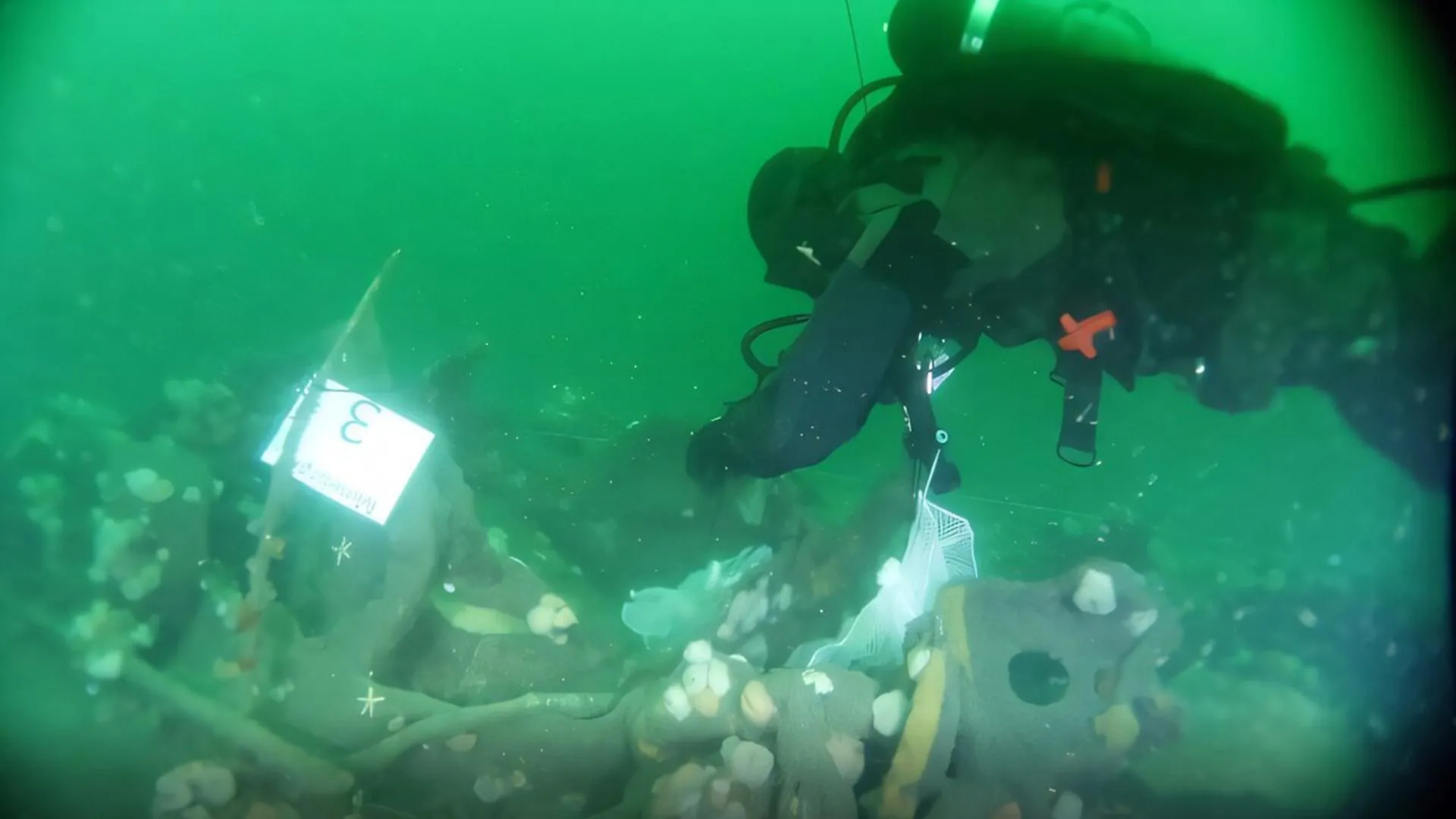
Centennial TNT Leak Highlights Risks from Historic Submarine Wrecks
A century after sinking, a World War I submarine wreck off Denmark is leaking TNT into the surrounding water, seabed, and marine life. This is not a distant historical footnote, it is a measurable, real-time warning. Thousands of similar corroding wrecks could pose growing environmental risks. Understanding drives protection. For deeper coverage of maritime challenges, see our related article on India's expanded naval fleet, which reflects the evolving pressures on our oceans.

China’s Marine Governance: An Administrative Law Framework for Optimization
China's marine governance relies heavily on red-light instruments, 83.4% of policy references are command-and-control measures. That is a statistically validated imbalance. Our content analysis of 34 national policy documents reveals that ex post regulation dominates, while green-light fiscal tools and amber-light public participation remain underdeveloped. This configuration is institutionally justified by marine risks' irreversibility, but the real challenge is coordination. Prevention must lead. For deeper coverage on shifting maritime dynamics, see our related article on Gulf of Oman STS transfers.

Oil Spill Expands Near Oman, Linked to Russian-Flagged Tanker.
The Caroline Bezengi, laden with Russian crude from Novorossiysk, now trails an expanding oil slick near Oman's coast. The spill's link to a vessel at the heart of sanctioned trade routes is no coincidence; it is a measurable consequence of geopolitical pressure applied at sea. This incident underscores how quickly environmental risk follows maritime decision-making. For context on the broader pattern, our related piece, "Russia Calibrates Export Revenue for Northern Sea Route Icebreaker Fleet," examines Moscow's ongoing calculations.
Beyond Polluter Pays: Shared Responsibility for Deep-Sea Mining Impacts
The deep seabed's environmental risks demand more than a single-actor liability model. Our analysis of the Environmental Compensation Fund reveals that the Polluter Pays Principle, while foundational, falls short when causation is indivisible among multiple actors. Shared responsibility, drawn from oil, nuclear, and hazardous-substance precedents, offers structural alignment with the common heritage of mankind. We propose integrating it as a complement, not a replacement, to close regulatory gaps. For broader context on international maritime pressures, see our coverage of the Strait of Hormuz reopening.