pollution
24 stories filed under pollution on World Data Ocean. The newest of them: “Western Atlantic corals face a critical test of resilience against rising heat”, “Coastal benthic ecosystems reveal the cumulative toll of climate and human pressures”, and “Malaysia restricts tanker traffic and bunkering in new Strait marine protected zone”. Western Atlantic corals are facing a critical test of resilience. Coastal benthic ecosystems are telling us something urgent. A Global Hub for Ocean Intelligence 4 World Data Ocean is a centralized digital platform where researchers, scientists, and ocean enthusiasts converge to… The list below is every pollution story on World Data Ocean, newest first.
Western Atlantic corals face a critical test of resilience against rising heat
Western Atlantic corals are facing a critical test of resilience. Ever more frequent heat waves and resulting bleaching threaten extinction unless these ecosystems can adapt rapidly. The region's unique geography and long history of pollution have made corals especially vulnerable. Yet evidence shows thermal resilience is increasing through symbiont shuffling and natural selection. Assisted reproduction can accelerate this progress. These promising signs will come to nothing unless overexploitation and pollution are severely reduced.

Coastal benthic ecosystems reveal the cumulative toll of climate and human pressures
Coastal benthic ecosystems are telling us something urgent. Rising temperatures, acidification, and deoxygenation now converge with eutrophication, pollution, and bottom trawling, reshaping biodiversity from shallow coasts to continental margins. These compounded stressors simplify assemblages, alter trophic pathways, and push ecosystems toward critical thresholds. Yet recent advances, environmental DNA metabarcoding, automated imaging, multi-stressor experiments, are sharpening our ability to detect and understand these changes at scale.
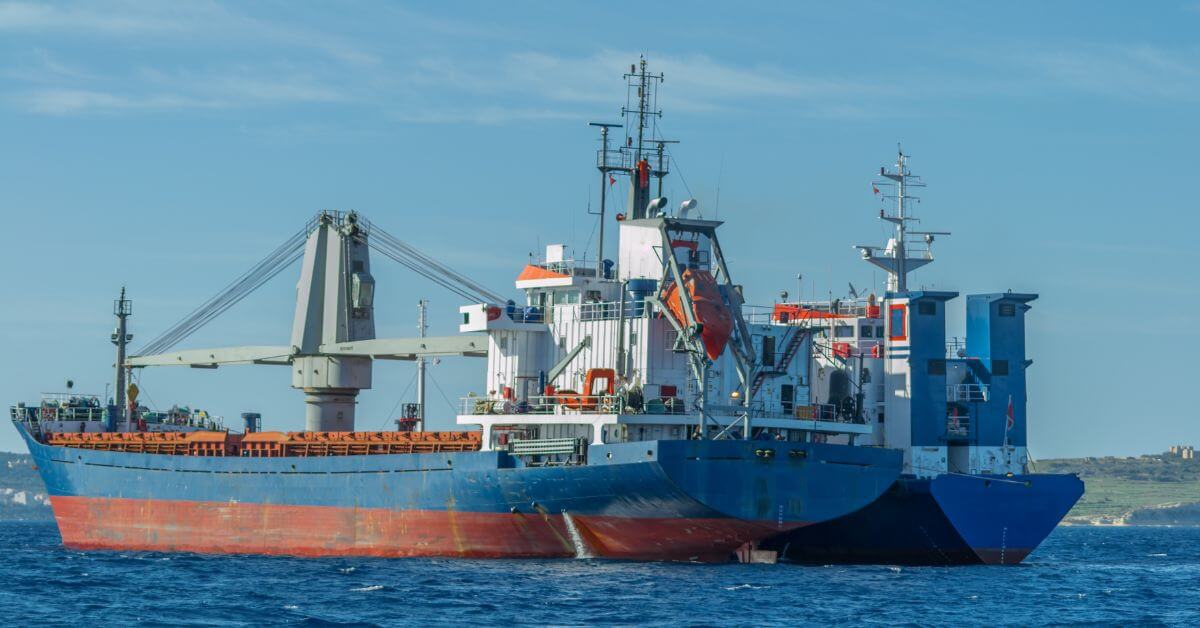
Malaysia restricts tanker traffic and bunkering in new Strait marine protected zone
Malaysia has taken a measured but decisive step in its newest marine protected zone, restricting tanker traffic and bunkering while imposing speed limits on all vessels. Large cargo ships and oil tankers are now forbidden from entering the Strait. This is a calibrated move to protect critical marine habitat without shutting down commerce entirely. For those tracking how citizen science can inform ocean policy, our piece on identifying an unidentified marine object from citizen observations in Tarifa offers a parallel example of community-driven data collection.
Validated data gaps in Europe's marine policy demand integrated solutions
Europe's marine policies set ambitious goals but fell short, the 2020 target for Good Environmental Status was missed, revealing critical gaps in monitoring, data comparability, and climate integration. This review confirms that isolated measures cannot reverse the triple crisis of biodiversity loss, climate change, and pollution. Integrated, adaptive frameworks, supported by long-term data and stakeholder engagement, offer the only viable path forward. For deeper insights into related challenges, readers can explore our study on validating DNA metabarcoding for fragile Arctic gelatinous zooplankton.
Measuring the longevity of a booming ocean economy through integrated climate indicators
The ocean economy is booming, but its longevity depends on what we can measure. UN Trade and Development now asks a critical question: how long can this growth last? The answer lies in integrated climate indicators, validated, empirical data that tracks real-time ocean health. Understanding drives protection. For deeper context, see how the cruise fleet expands its role as a calibrated platform for ocean intelligence. Growth without data is just speculation.
Ocean intelligence measures our progress toward sustainable marine stewardship
Ocean intelligence measures our progress toward sustainable marine stewardship, translating vast datasets into actionable insights for conserving marine resources. This is not abstract science, it is a calibrated, real-time account of human impact on the sea. Understanding drives protection. To see how integrated data reshapes our view from orbit to ocean floor, read "From orbit to ocean floor: integrated data reshapes our view of the sea." The work is empirical, collaborative, and urgent.
A thousand rivers drive eighty percent of ocean plastic emissions
A thousand rivers drive eighty percent of ocean plastic emissions, a finding that demands a calibrated, not alarmist, response. This is not about panic; it is about measurable action. Understanding the source of the problem allows us to target interventions where they matter most. For deeper context on how disclosure transforms data into accountability, see our related coverage, "Closing the data gap: disclosure as a calibrated step toward ocean action." Precision, not hype, guides real protection.

AI models and integrated data track shoreline debris at scale
Every piece of plastic on a beach tells a story, and now AI is reading that story at scale. By integrating real-time data streams with machine learning, we can track shoreline debris across vast coastlines, transforming scattered observations into validated, actionable ocean intelligence. This isn't just cleanup; it's empirical calibration of a global problem. For deeper context on how integrated data ecosystems make this possible, explore our coverage of Apeiron Labs' recent Series A to scale their ocean data platform.
New data validates fishing gear as the primary source of Pacific plastic
New data validates what many have long suspected: fishing gear is the primary source of plastic in the Great Pacific Garbage Patch. This is not a problem of straws and bags, but of industrial scale. Measurable, peer-reviewed evidence now points directly to the fishing industry. Understanding drives protection. For deeper context on how we track these accumulating pollutants alongside climate indicators, explore our coverage of "Mapping Ocean Plastic Accumulation to Future Climate Indicators." The ocean demands empirical solutions, not alarm.
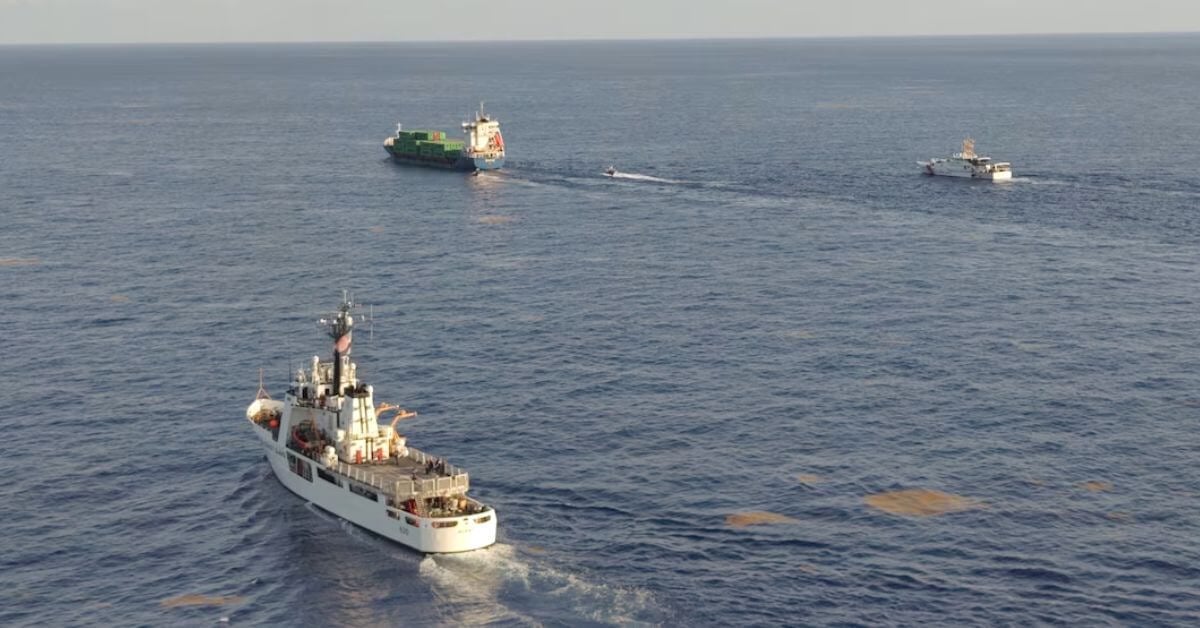
Enforcement action halts fuel shipment bound for Cuba in Gulf transit
The M/V Grace was intercepted mid-Gulf, its fuel shipment halted en route to Cuba by a targeted enforcement action. Coast Guard personnel boarded the vessel between Cuba and Mexico before diverting it to Mexico. This is border enforcement with direct geopolitical stakes, no ambiguity, no delay. For those tracking how legal frameworks meet maritime realities, our piece *Closing the Gap in Transboundary Marine Protection Through Legal Innovation* examines precisely how governance adapts when jurisdiction shifts at sea.
A validated open-access observatory for Africa's multi-ecosystem ocean intelligence
The Bazaruto Center for Scientific Studies (BCSS) Ocean Observatory is not another data portal; it is a managed, DOI-linked platform turning eight years of sustained effort into 22 million-plus measurements across six ecosystems. What stands out is the integration: weather, acoustics, biodiversity, and pollution under one interoperable framework, with QA/QC and FAIR compliance built in. This is the baseline Africa's marine science has needed.
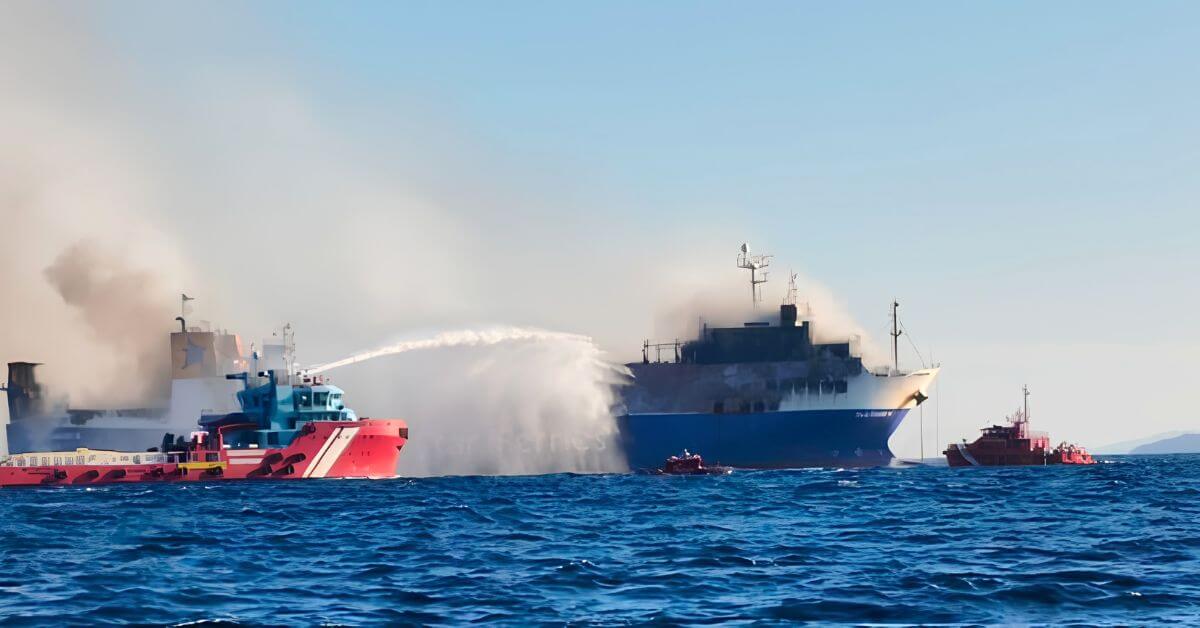
Cargo Ship Fire Prompts Evacuation Near Mykonos; Incident Under Investigation
A fire aboard a Greek-flagged cargo ship north of Mykonos on September 25 forced all 29 crew members to evacuate, a stark reminder that maritime emergencies remain an ever-present test of preparedness. The incident, now under investigation, underscores how quickly operational stability can shift to crisis. For those tracking such risks, the recent *Fatal Attack on Cargo Ship Highlights Black Sea Shipping Risks* offers a sobering parallel.
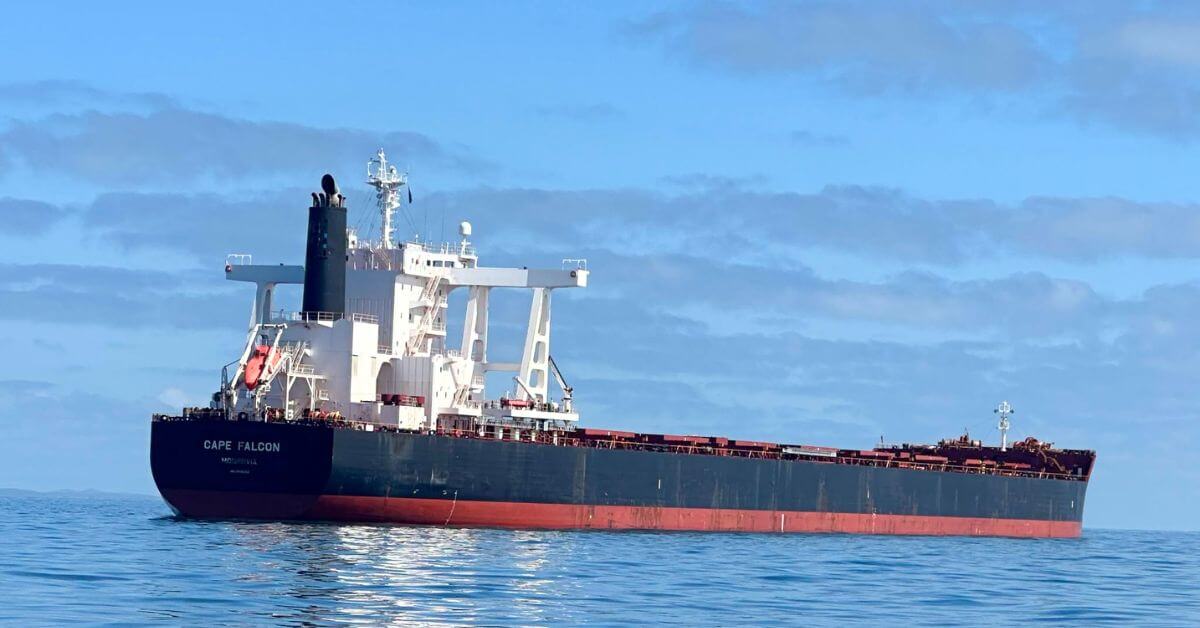
Bulk Carrier Freed After Prolonged Grounding Near Gladstone, Australia
Six days on the sandbar near Gladstone is a stark reminder of how unforgiving the Queensland coast can be, and the successful refloat of this bulk carrier speaks to the skill of the response teams involved. A prolonged grounding disrupts schedules and tests operational limits, but the vessel is now free, which is the outcome that matters most.
Integrated Ocean Governance: Addressing Transboundary Pollution and Climate Risks
Marine pollution does not respect borders, and neither should governance. Plastic waste, ALPS-treated water, and ship-source pollution drift across jurisdictions, colliding with climate pressures to create compound risks. The Ecological and Environmental Code, while foundational, remains too fragmented to meet this challenge. Its principle-oriented provisions leave jurisdiction ambiguous, liability regimes incomplete, and cooperation largely aspirational. Strong governance demands more than intention. It requires operational mechanisms for transboundary harm. This paper outlines that institutional shift.
Data-Driven Resilience: Understanding Vulnerability in Colombian Artisanal Fisheries
In artisanal fishing communities along the Colombian Caribbean, vulnerability is not a single number but a layered condition shaped by income, education, and dependence on the sea. The Socioeconomic Vulnerability Index across 12 communities reveals stark spatial differences, with Tasajera and Don Diego facing the highest relative risk. Notably, fishing dependence alone does not explain overall rankings, underscoring the multidimensional nature of hardship. Human capital emerges as a decisive factor, a finding that should guide targeted policy.
Human Impact Reveals Shifting Biogeochemical Patterns in Marine Ecosystems
Measured shifts in marine biogeochemical patterns now point to a clear conclusion: human activity is redefining ocean chemistry at scale. These are not abstract anomalies but calibrated signals, tracked through integrated data ecosystems and peer-reviewed observation. We see this as an opportunity to refine our understanding, not an excuse for alarm. The evidence demands rigorous attention and shared response. For those tracking how marine structures challenge assumptions, our related coverage, including the Port Phillip Bay debate, offers useful context.
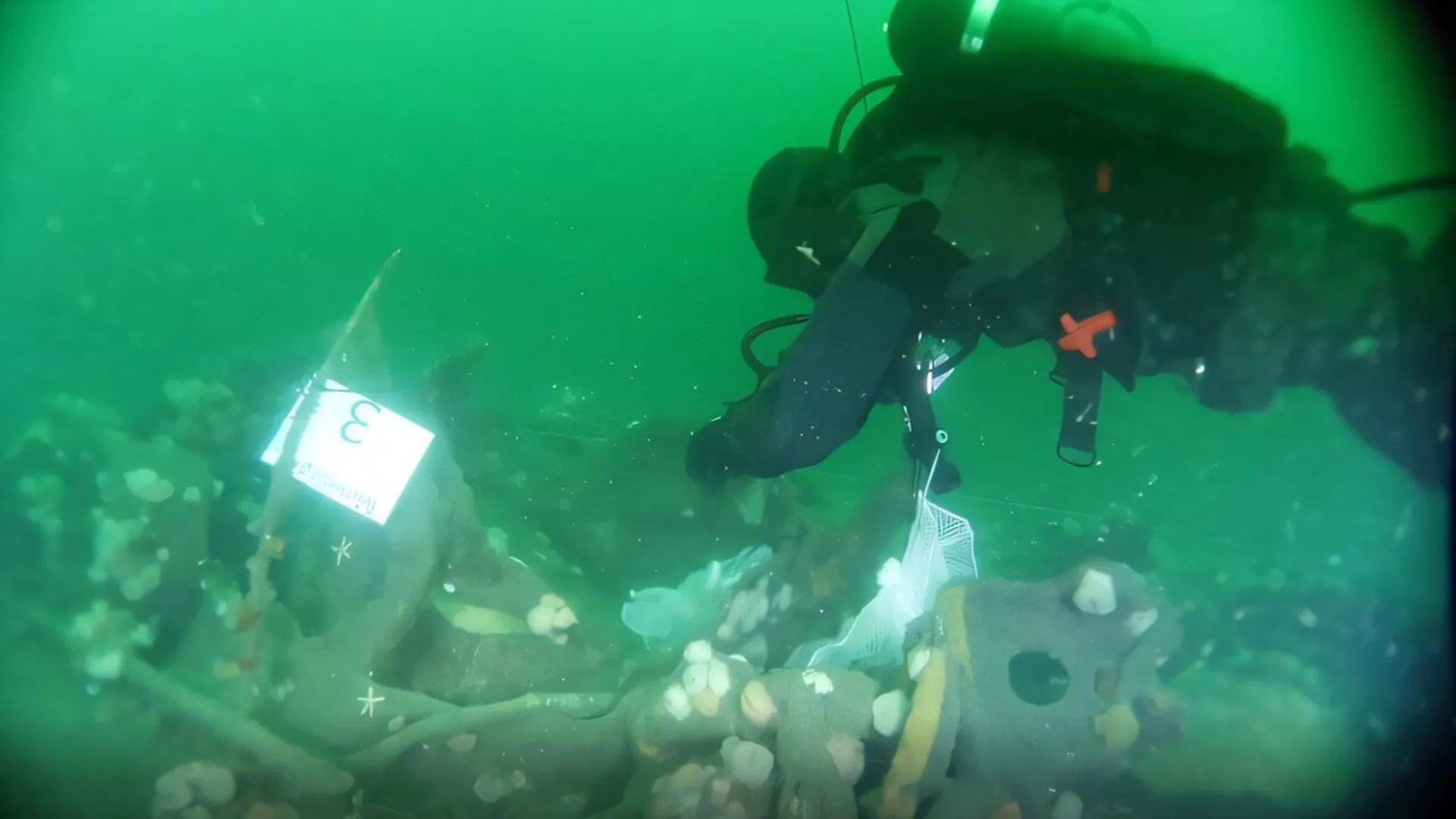
Centennial TNT Leak Highlights Risks from Historic Submarine Wrecks
A century after sinking, a World War I submarine wreck off Denmark is leaking TNT into the surrounding water, seabed, and marine life. This is not a distant historical footnote, it is a measurable, real-time warning. Thousands of similar corroding wrecks could pose growing environmental risks. Understanding drives protection. For deeper coverage of maritime challenges, see our related article on India's expanded naval fleet, which reflects the evolving pressures on our oceans.
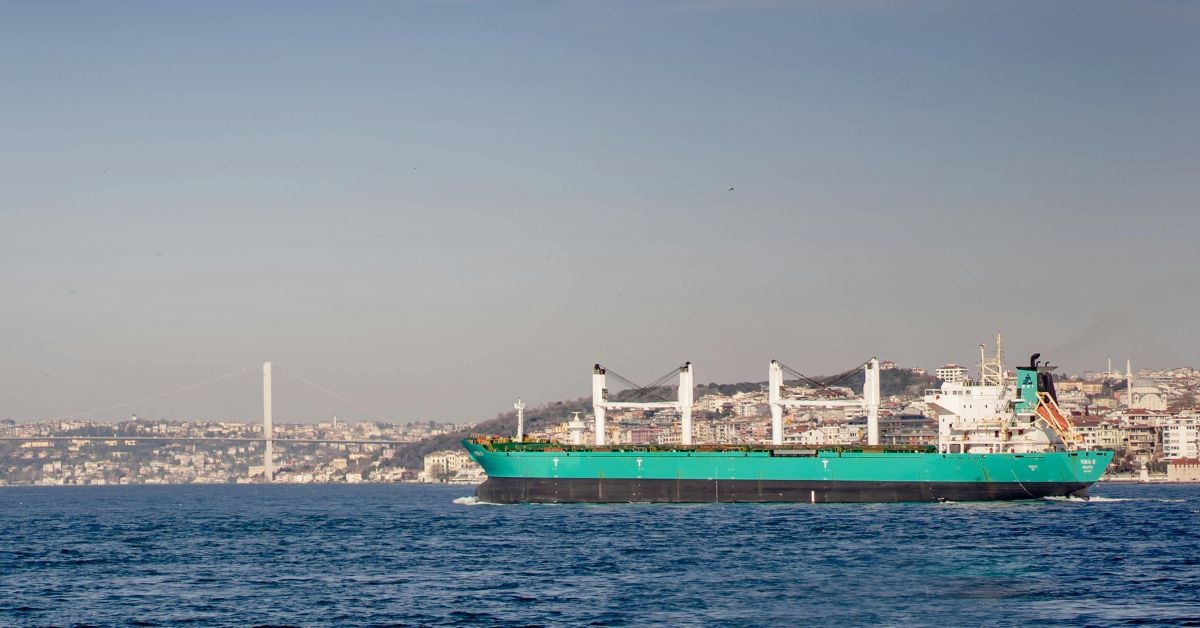
Shipping Companies Penalized for Illegal Ocean Waste Discharge
A U.S. court has found two shipping companies guilty of illegally discharging oily bilge waste into the open ocean. These are not victimless actions. Such discharges degrade marine ecosystems and undermine the calibrated, real-time monitoring systems that responsible operators rely on. Accountability is measurable, and this ruling reinforces that maritime law applies equally to all. For deeper context on how ocean security is being enforced across domains, see our coverage of the Coast Guard's recent maritime interdictions.
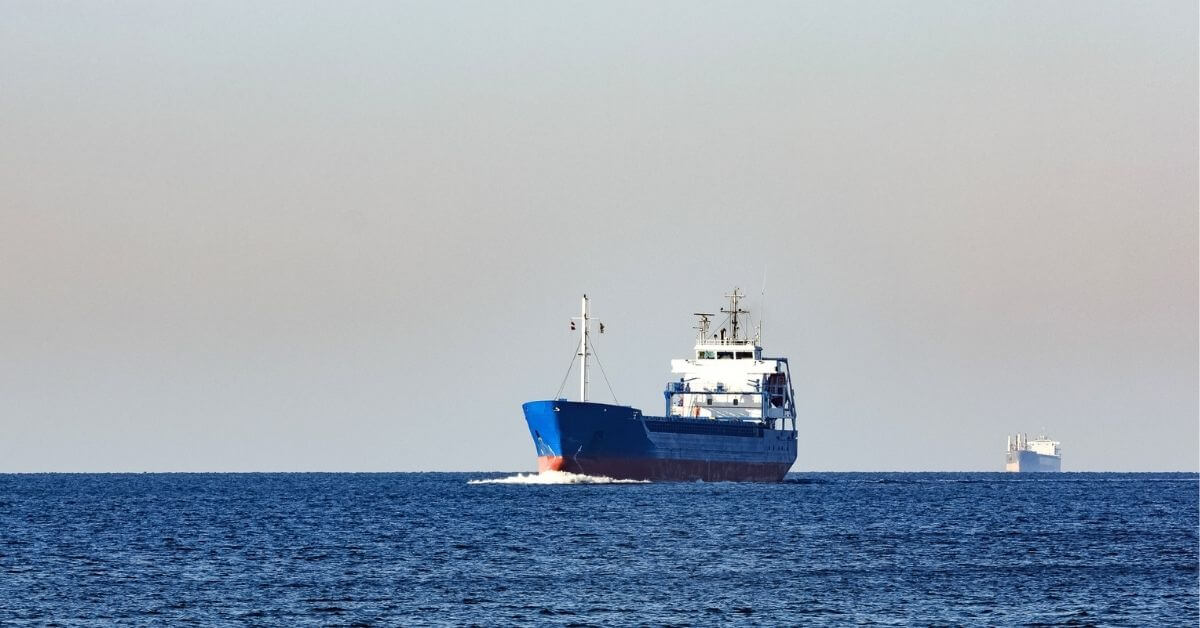
Strait of Hormuz: Iran Investigates Bulk Carrier Over Pollution Incident
Iran's investigation into a bulk carrier over a pollution incident in the Strait of Hormuz underscores the region's mounting environmental scrutiny. The vessel remains under judicial proceedings, even as authorities confirm the contamination has been cleaned. Enforcement here is as much about accountability as it is about prevention. For context on how pressure builds across these waters, our coverage of Gulf of Oman STS transfers maxing out offers a useful parallel. Measured oversight, applied consistently, is what protects vital chokepoints.
Sixteen Years Later: Measuring Recovery and Water Quality in the Gulf
Sixteen years after the Deepwater Horizon oil spill, the Gulf of Mexico remains a living laboratory for recovery, and for questions that still demand answers. For those who stayed away, the urge to return is now paired with a need to understand: Is the water safe, and how has it truly changed? Water quality along Alabama's coast has largely rebounded, but the long-term fate of the oil and the chemical dispersants used to break it up remains a complex, ongoing story.

EU Ship Recycling Decision Risks Undermining Regulation Standards
Approving these two beaching yards would signal that the EU Ship Recycling Regulation is open to interpretation, and not the rigorous kind. The NGO's concern is valid: such a decision risks undermining the very standards the regulation was designed to enforce. We cannot claim to champion ocean stewardship while endorsing practices that fall short of measurable, peer-reviewed safety and environmental benchmarks. This is a moment for calibrated, integrated oversight, not a step backward.

Tanker Fire Near Fredrikstad: Crew Safe, No Pollution Reported.
The crew's safe evacuation anchors this incident, yet the absence of pollution or cargo release is the outcome that matters most. All 15 aboard were accounted for, with no injuries reported, a result that speaks to swift coordination between authorities and the ship's manager. The event underscores how preparedness converts potential crisis into manageable disruption. For broader context on maritime risks, our coverage of the cargo ship fire near Mykonos offers a parallel.
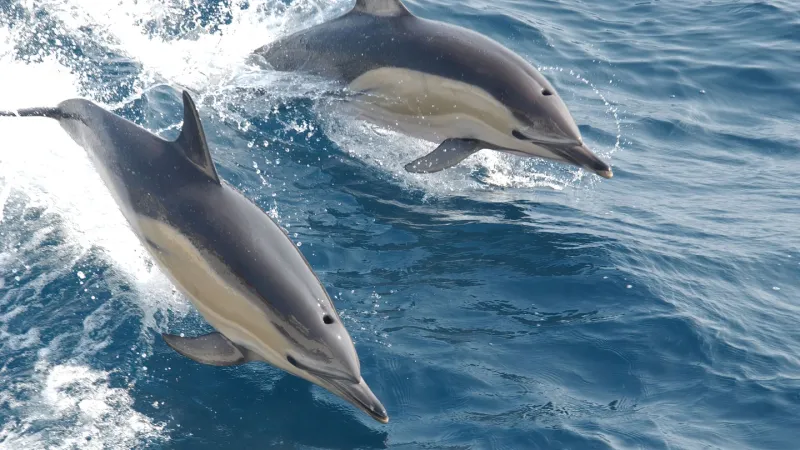
New Zealand Dolphins Show Accelerated Aging Linked to Environmental Contaminants
New Zealand's common dolphins are aging faster than their years, and the evidence points to a toxic burden we can no longer ignore. Trace metals and per- and polyfluoroalkyl substances, the so-called forever chemicals, are likely accelerating biological aging in these animals. This is more than a striking data point; it is a measurable indicator of ocean health that demands our attention.
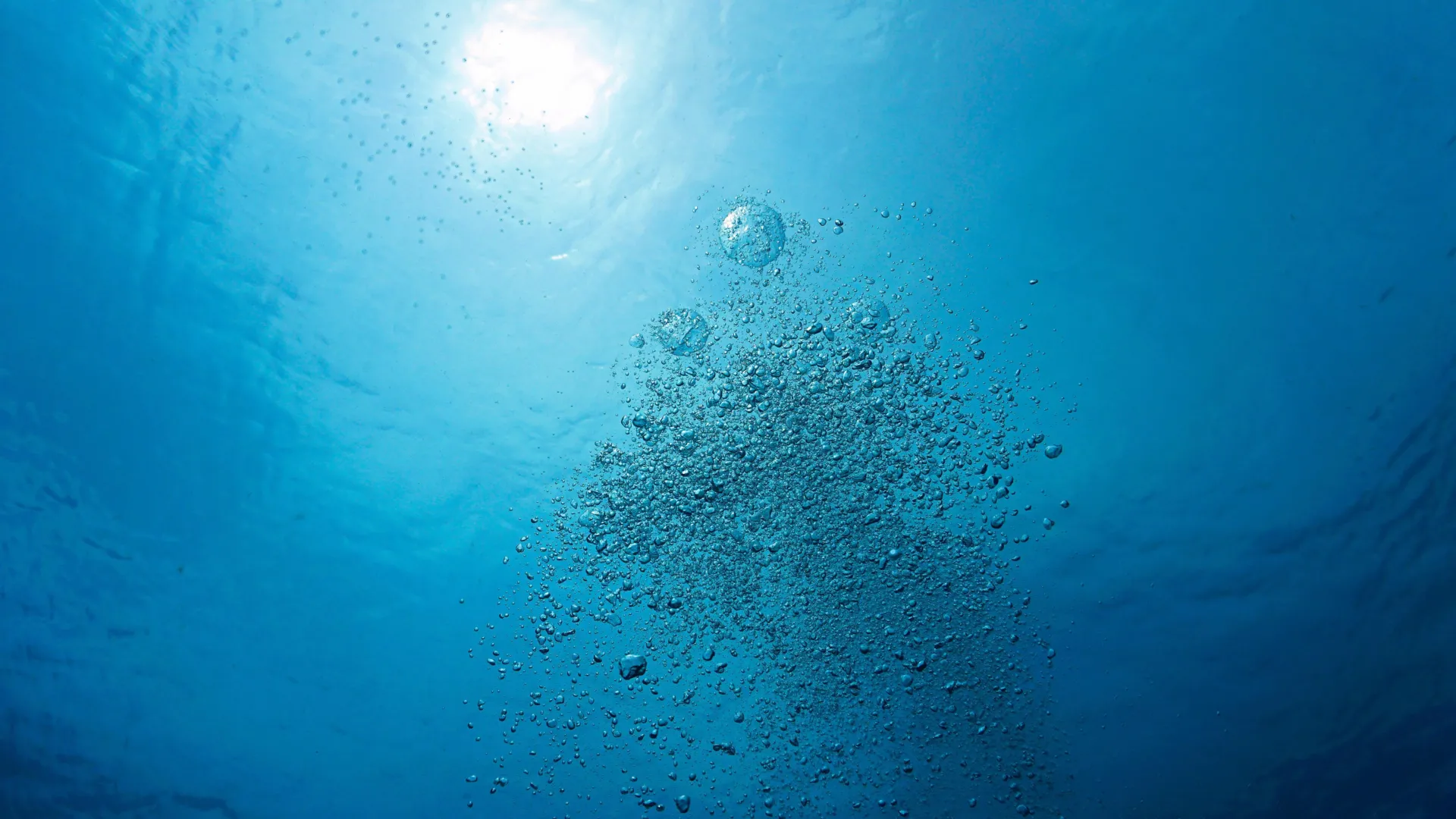
Ocean Deoxygenation Accelerates, Threatening Life and Climate Stability
Oxygen is vanishing from the ocean, and from lakes, rivers, and coastal waters, at a rate that should sharpen our focus. This deoxygenation does not merely stress marine life; it erodes the natural systems that help stabilize Earth's climate. Scientists link this decline directly to warming, pollution, and ocean acidification, making it a compounding planetary threat. We treat this as a measured alarm: the evidence is empirical, and the need for integrated observation has never been clearer.