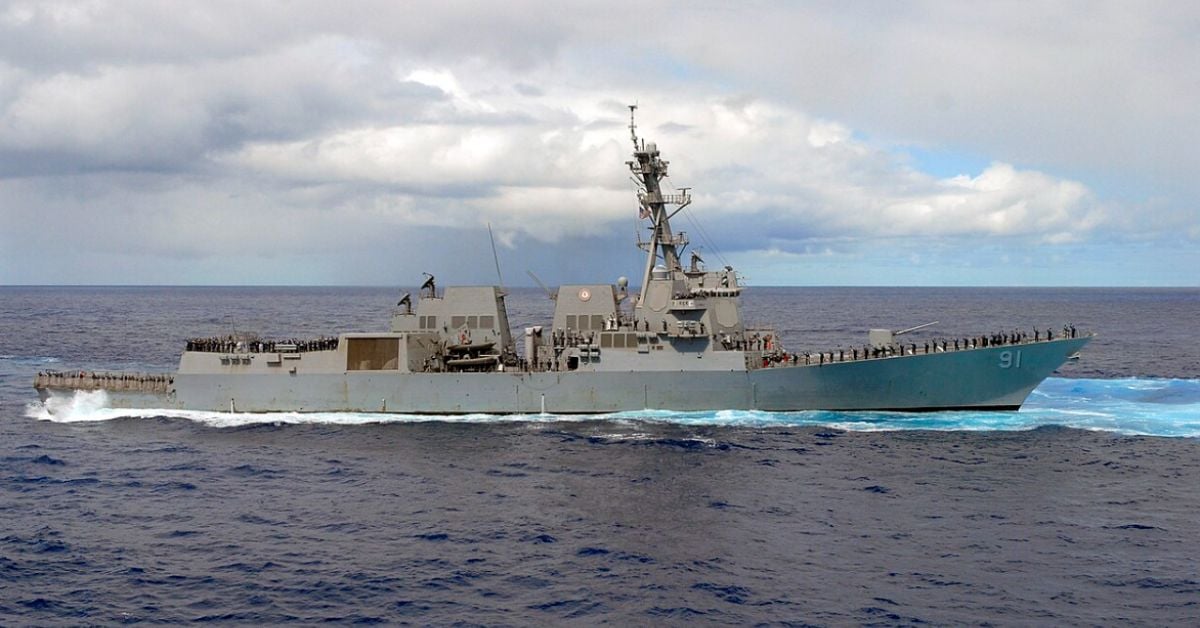
The USS Pinckney's upgrade to the SPY-6(V)4 radar system is not merely a hardware swap; it is a calibrated recalibration of what a single warship can contribute to maritime intelligence. By becoming the first destroyer to receive this enhanced sensor suite under the Destroyer Modernization 2.0 Program's second phase, the Pinckney transforms from a defensive platform into a forward-deployed sensor node capable of delivering validated, real-time data on both air and ballistic missile threats. This matters directly to our readers because it demonstrates how integrated sensor ecosystems, whether on a warship or across a supply chain, are becoming the new standard for operational certainty.
The decision to integrate the SPY-6 radar with the Aegis Combat System Baseline 10 means the Pinckney can now simultaneously handle air defense and ballistic missile defense, a dual capability that was historically split across different platforms. This is a measurable leap in combat efficiency, but the more significant story lies in the method. The Navy installed the radar in deliberate steps, allowing partner crews to gain empirical experience with each upgrade before proceeding. That approach mirrors the kind of iterative, data-driven process we champion in ocean intelligence: you cannot rush calibration. The Pinckney's previous upgrade period in 2024, when it became the first ship to receive the SLQ-32(V)7 electronic warfare system, already positioned it as a testbed for integrated modernization. Now, with both electronic warfare and radar upgrades in place, the destroyer offers a rare longitudinal case study in phased capability growth. This is a tangible example of how Digital twins and robotic welding anchor Hyundai's proposed US naval shipyard could eventually streamline such complex retrofits, reducing the time ships spend out of service.
The practical implications for fleet readiness are direct. The Pinckney will rejoin the fleet with an advanced sensor suite designed to maintain superiority for decades, but that longevity depends on how well the Navy manages the thermal and electrical demands of the new system. The super-capacity air conditioning system being installed is not a footnote; it is a critical enabler. Without it, the radar's increased power draw and heat output would degrade performance and reliability. This is a reminder that in complex systems, the supporting infrastructure often determines the success of the headline technology. As the Navy plans to complete similar upgrades on future ships, including the USS Sterett, the goal of reducing out-of-service time by combining electronic warfare and radar upgrades in a single shipyard visit becomes a strategic priority. The Geopolitical tensions threaten measured flow of Saudi crude through key ports underscore why that speed matters: carrier strike groups and the oil tankers they protect face evolving drone and missile threats that demand rapid modernization cycles.
The specific detail to watch is how the Pinckney's integrated sensor data feeds into broader naval intelligence networks. The radar upgrade makes the ship a calibrated asset, but calibration is only valuable if the data is shared and acted upon. The Navy's ability to fuse this new ocean intelligence with existing climate indicators and threat assessments will determine whether the Pinckney becomes a force multiplier or just a well-equipped singleton. We will be monitoring how the Aegis Baseline 10 system handles the real-time data flow from the SPY-6 during its first deployment, because that is where the theory of integrated modernization meets the empirical test of operational reality.