Indian crew
Indian crew at World Data Ocean is a file of 11 stories. The newest of them: “Black Sea incident raises urgent questions on maritime safety and climate risk”, “Two Killed as Corn Freighter Sinks in Black Sea After Drone Strike”, and “Seafarer Missing After Ship Attack Near Oman Coast; Thirteen Rescued”. A fire aboard a Liberian-flagged oil tanker off Sochi this week is more than a maritime incident, it is a measurable climate indicator. A Turkish-owned corn freighter has sunk in the Black Sea following a drone strike, killing two crew members and leaving 11 others rescued. A Global Hub for Ocean Intelligence 4 World Data Ocean is a centralized digital platform where researchers, scientists, and ocean enthusiasts converge to… The list below is every Indian crew story on World Data Ocean, newest first.
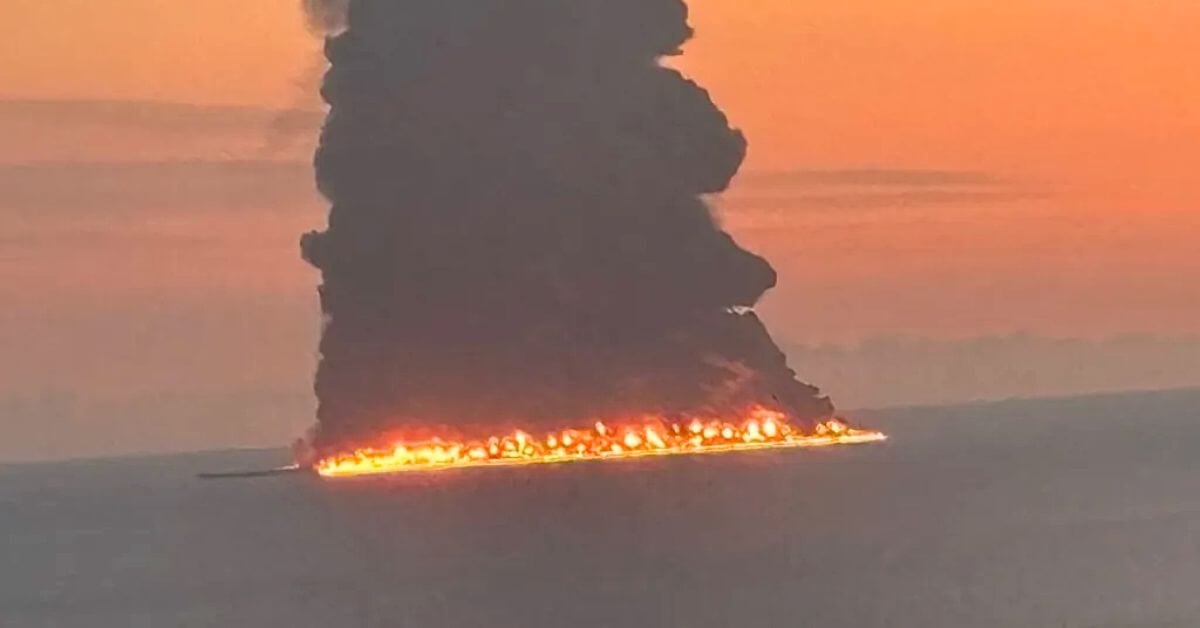
Black Sea incident raises urgent questions on maritime safety and climate risk
A fire aboard a Liberian-flagged oil tanker off Sochi this week is more than a maritime incident, it is a measurable climate indicator. Twenty-three Indian crew members faced immediate danger in the Black Sea, a region already strained by geopolitical tensions and environmental stress. We connect this event to our coverage of the *Two Killed as Corn Freighter Sinks in Black Sea After Drone Strike*, reinforcing that safety at sea now requires integrated risk assessment. Validated data, not alarm, must guide our response.
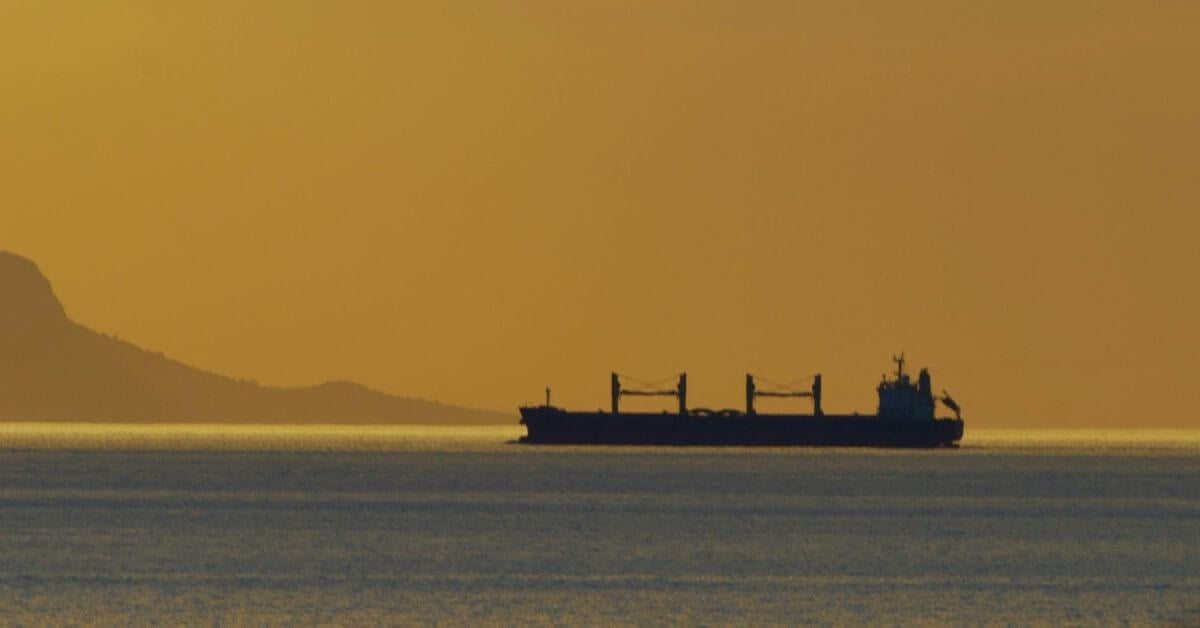
Two Killed as Corn Freighter Sinks in Black Sea After Drone Strike
A Turkish-owned corn freighter has sunk in the Black Sea following a drone strike, killing two crew members and leaving 11 others rescued. The incident marks another sharp reminder that commercial shipping routes now sit directly in the path of regional conflict. Maritime safety is no longer just about weather and navigation; it is about geopolitical risk. For deeper context on how such disruptions are reshaping Baltic traffic, see our coverage of the Gulf of Finland vessel detention.
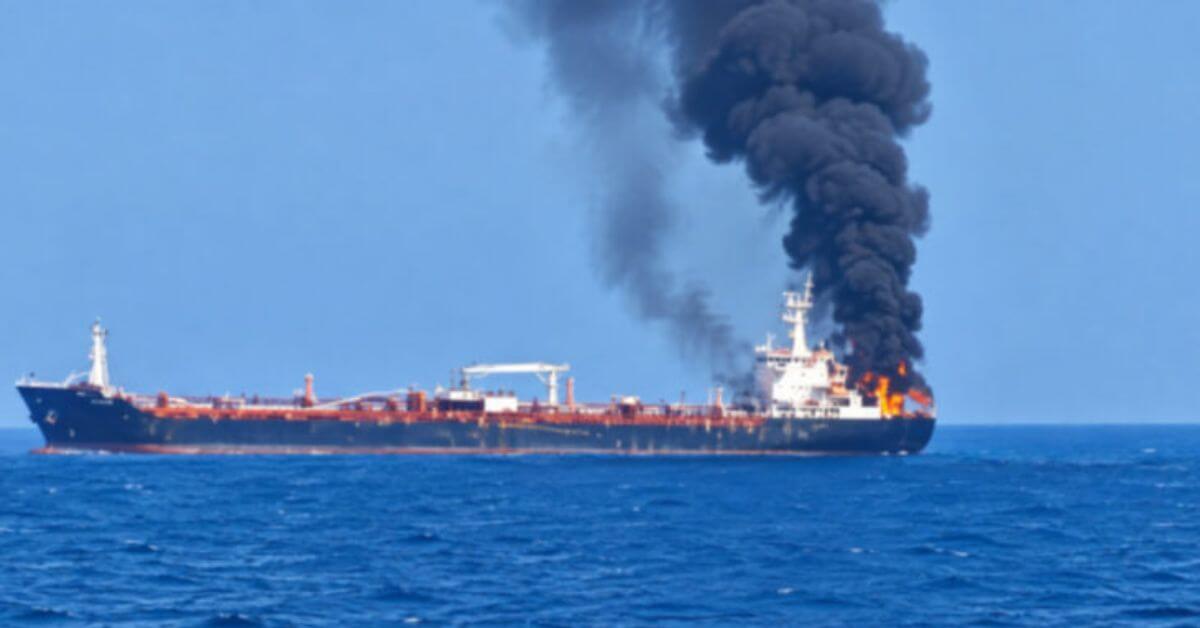
Seafarer Missing After Ship Attack Near Oman Coast; Thirteen Rescued
One Indian seafarer remains missing after an attack on a vessel near the Oman coast, while thirteen crew members have been rescued, India's Ministry of External Affairs confirmed. The incident underscores the persistent volatility of regional waters, where commercial traffic proceeds under tangible risk. Search efforts continue, though the outcome remains uncertain. For broader context on maritime pressure points, our related coverage of Gulf of Oman STS transfers offers useful perspective on the strategic strains shaping this corridor.
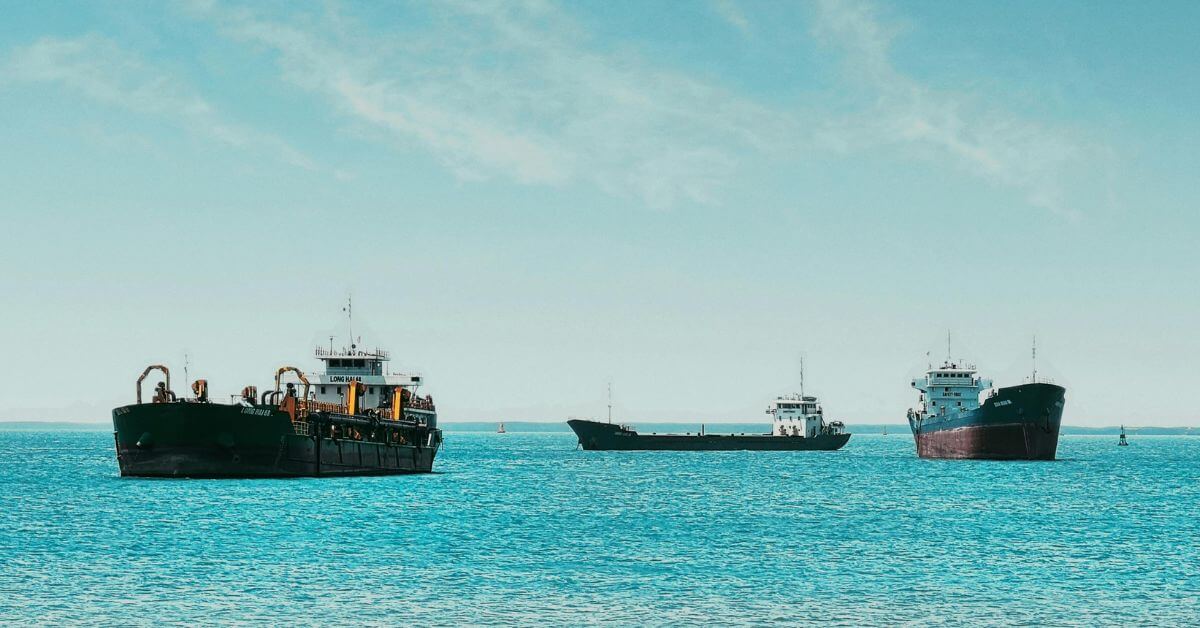
Shipping Lanes Under Scrutiny: Indian Crews Affected by Gulf Region Attacks
Three foreign-flagged vessels with Indian crew members were struck on September 8 and 9 as West Asia conflict escalates into shipping lanes. These attacks validate what we have long measured: maritime corridors are becoming direct targets. The crews are not combatants, they are professionals navigating volatile waters. Understanding drives protection, and this incident demands calibrated, empirical scrutiny. For deeper context on regional shipping pressures, our coverage of the Strait of Hormuz negotiations offers integrated analysis.
Enhanced Maritime Safety: India's New System Monitors High-Risk Regions
India's Directorate has issued a direct mandate: every vessel carrying Indian crew in designated high-risk regions must be registered in the new monitoring system without delay. That is not bureaucratic noise; it is a calibrated safety net. The move follows intense pressure on maritime routes, from Gulf of Oman STS transfers maxing out to pirate interventions off Somalia. This system is about prevention, not reaction. For crews operating where risk is highest, this is validation that their safety is measurable and prioritized.

Maritime Security Incident: Two Vessels and 22 Crew Affected by Piracy.
Two merchant vessels, carrying 22 Indian crew members total, have been hijacked by pirates in separate incidents off Yemen and Somalia. The attacks underscore the persistent threat maritime piracy poses to seafarers and global shipping lanes. This is not a distant problem; it is a live disruption to the ocean economy and the people who move it. For deeper context on regional responses, our report on Puntland Forces Intercept Hijacked, US-Sanctioned Oil Tanker After 48 Hours illustrates the ongoing volatility.

Strait of Hormuz Incident: Iranian Forces Engage Container Ship Euphoria.
On April 22, Iranian forces engaged the Euphoria, a Panama-flagged container ship, marking the third attack on vessels that day. The incident underscores how fragile transit through the Strait of Hormuz has become. This is not abstract geopolitics; it is a direct challenge to the maritime routes that global trade depends on. For deeper context on how shipping lanes are adapting, our piece on Gulf of Oman STS transfers offers a useful parallel. The pattern is clear: pressure on this waterway is no longer hypothetical.

Crew Refusal Highlights Strait of Hormuz Risks for Maritime Workers
A refusal to transit the Strait of Hormuz is not a small decision; it is a direct measure of perceived risk. Sixteen Indian crew members aboard the Marshall Islands-flagged AM Pioneer have made that call, and their judgment speaks to the reality facing maritime workers in this waterway. Their choice underscores that safety concerns now outweigh the pressure to keep moving, a point that deserves serious attention from the industry.

Red Sea Incident: Indian Cargo Ship Sinks Following Attack
The sinking of the Indian-flagged cargo ship MSV Faize Noore Oliya, after being struck by an unknown projectile off Yemen, marks a sobering escalation in the Red Sea's volatile maritime corridor. The vessel overturned and sank, underscoring how commercial traffic remains exposed to asymmetric threats with little warning. This incident is not isolated; it follows heightened pressure across regional waterways, from Gulf of Oman STS transfers to Strait of Hormuz negotiations.

Missile Strike Impacts LPG Tanker in Strait of Hormuz Waters
A missile strike has struck an LPG tanker near the Strait of Hormuz, according to the Forward Seamen's Union of India, as the vessel made its way toward the Persian Gulf. The incident underscores the fragile security calculus in a waterway that carries a third of global liquefied gas trade. For seafarers, the risk is not abstract; it is measured in steel, fire, and the open sea. This is why infrastructure like the Seafarers' Welfare Centre at Goa's Mormugao Port matters more than ever.

Strait of Hormuz Attack Impacts Maritime Traffic, Claims One Life.
Missile strikes against the Mombasa and Al Bahiyah have set fires ablaze in the Strait of Hormuz, claiming one life and disrupting the flow of maritime traffic through a waterway that carries a fifth of global oil. The UAE Ministry of Defence confirmed the attacks, underscoring how fragile this strategic chokepoint has become. This incident adds to the pressure on shipping lanes already strained by regional tensions.