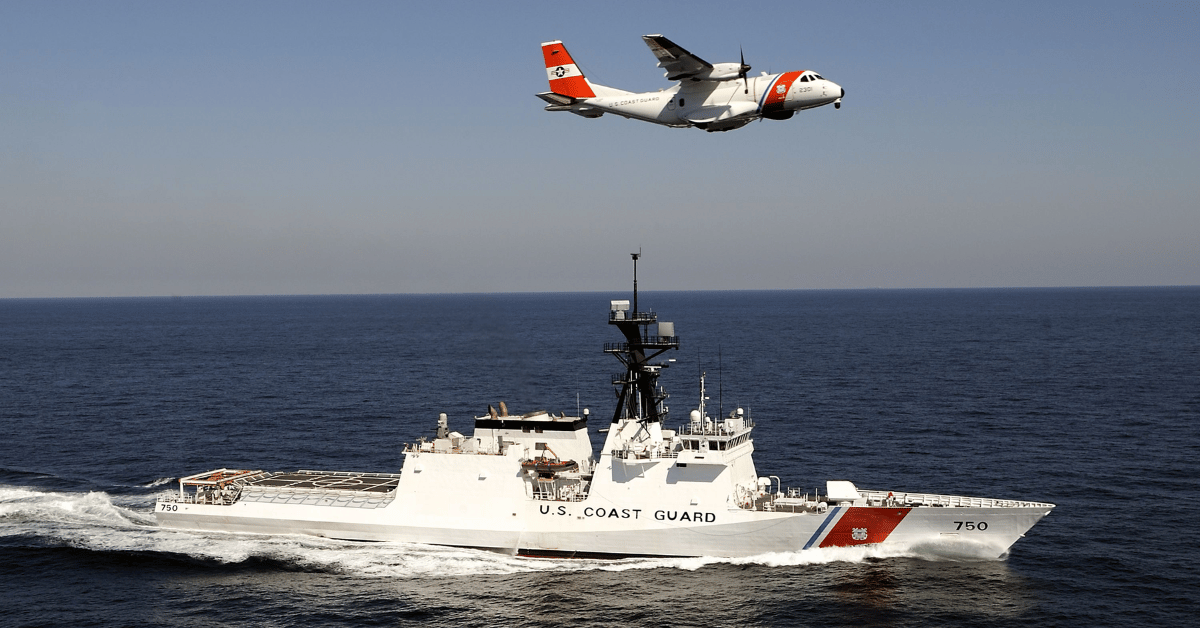
Forty people rescued, two confirmed dead, and search efforts still underway off Mona Island. The news lands with the cold weight of a statistic, but behind those numbers are human lives, families, and a makeshift vessel that was never built for the open ocean. The U.S. Coast Guard responded, and their work continues. This is not an isolated event. It is part of a pattern we see repeated in waters around the world, from the Caribbean to inland Africa.
Just weeks ago, we reported on the Tragedy on Lake Tanganyika: 41 Dead in Congolese Vessel Sinking, where a boat carrying roughly 100 people and cargo went down. The scale differs, but the core problem is the same: too many vessels operating without the safety margins that modern marine intelligence can provide. Conversely, we have also seen what happens when that intelligence is applied. In the Ocean Data Enables Swift Rescue of Injured Seafarer Near Andamans story, real-time data and coordinated response turned a severe head and spinal injury into a survivable event. The contrast is instructive. Data does not prevent every tragedy, but it shifts the odds.
Our take is direct: every rescue that succeeds because of integrated data ecosystems is a rescue we should study and replicate. Every loss that occurs in the blind spots of our ocean intelligence is a signal that those blind spots must shrink. The Mona Island search is happening now because a vessel capsized, but it is also happening in a region where sea state monitoring, weather forecasting, and vessel tracking could have provided earlier warning. We are not suggesting that technology alone solves migration or maritime safety. We are saying that validated, empirical ocean intelligence is a tool we underuse at our own cost. The Coast Guard's response is heroic, but heroism is not a substitute for prevention.
What would we tell a reader who asks about this? We would say: pay attention to the data gaps. The difference between a rescue and a recovery often comes down to how quickly we know where to look. The Integrated Response Saves 25 Seafarers After Container Ship Distress case proves that coordinated, data-driven operations work at scale. The same principles apply to smaller, unregulated vessels. The takeaway is measurable: for every hour we reduce in detection time, we increase the probability of survival. That is not an opinion. It is an empirical observation from the data we already have. The question before us is whether we will calibrate our ocean intelligence systems to serve all vessels, not just those with transponders. The search off Mona Island is still ongoing. The answer to that question will determine how many future searches we even need to begin.