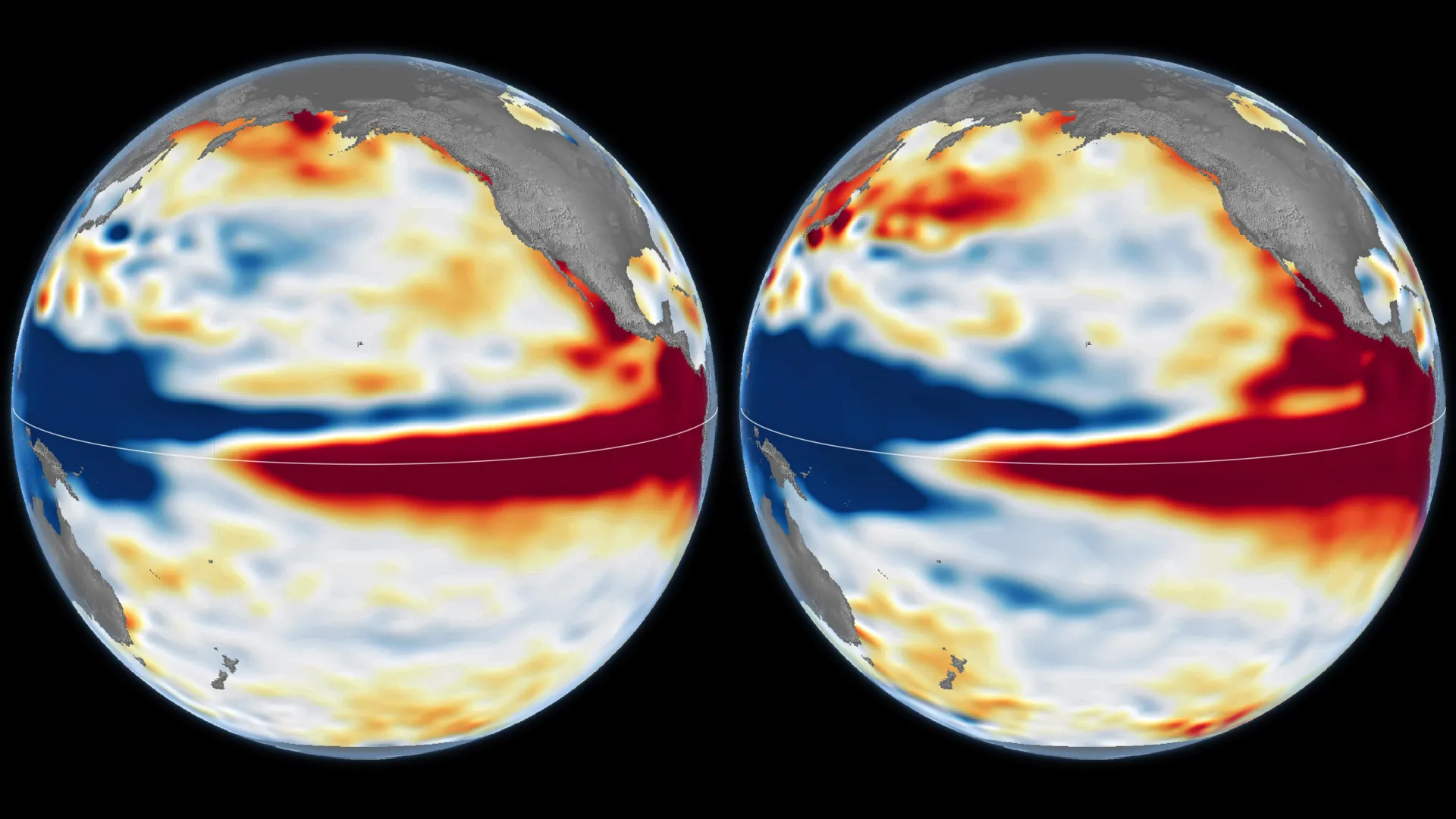
The data is clear: the 2026 El Niño is building with an intensity that demands our full attention and preparation. NASA's satellite observations reveal a pattern that closely mirrors the 1997-98 event, one of the most powerful on record, which triggered catastrophic flooding and extreme weather across the globe. For those of us working at the intersection of ocean intelligence and climate resilience, this is not a moment for alarm but for calibrated action. The 2026 climate data validates the urgency of integrated ocean stewardship we published earlier this year, and this new forecast reinforces that our integrated data ecosystems are more essential than ever.
What this means in practical terms is that the window for proactive planning is narrowing. The 1997-98 El Niño caused an estimated $35 billion in damages globally, disrupting agriculture, fisheries, and infrastructure. Our satellite and ocean-monitoring networks now give us the ability to track these climate indicators in real time, providing a measurable advantage that was unavailable a generation ago. The key is translating that empirical data into decisions, whether for coastal communities preparing for rainfall and flooding, or for global shipping routes that depend on stable conditions. Consider the measured recovery: Panama Canal restores draft and transit capacity; that recovery was hard-won after drought, and a major El Niño could test those gains anew. The parallels between 1997 and 2026 are not a prediction of identical outcomes, but they are a validated warning that the underlying dynamics are in place.
We must also recognise that this challenge is inherently global. The same satellite data that alerts us to an intensifying El Niño also reveals the accelerating pace of ocean warming and ice melt. No single nation can monitor or respond to these forces alone. The patents for underwater data centres show China leading in energy-efficient innovation highlight how technological capacity is being built to handle the massive data flows that climate monitoring requires. An integrated approach, linking satellite observations, ocean sensors, and peer-reviewed models, is the only path to understanding events like this El Niño in their full context. Our opinion is straightforward: this forecast is a stress test for our systems of collaboration and preparedness.
The specific detail to watch now is the progression of sea-surface temperature anomalies in the central Pacific over the next four to six weeks. That real-time data will determine whether this event follows the 1997 trajectory or charts its own course. Understanding drives protection, and the empirical information we have today is our best tool for reducing uncertainty tomorrow.