NASA
6 stories filed under NASA on World Data Ocean. The newest of them: “Interstellar surprises await as Voyager 1 crosses one light-day”, “Satellites track Earth's shifting center of mass with new precision”, and “Ocean Color Shift Reveals Measurable Climate Indicators Worldwide”. On November 18, Voyager 1 crosses one light-day from Earth, a distance that takes a signal nearly 24 hours to travel. Earth's center of mass moves millimeters each season as water, ice, and air migrate across the globe. A Global Hub for Ocean Intelligence 4 World Data Ocean is a centralized digital platform where researchers, scientists, and ocean enthusiasts converge to… The list below is every NASA story on World Data Ocean, newest first.

Interstellar surprises await as Voyager 1 crosses one light-day
On November 18, Voyager 1 crosses one light-day from Earth, a distance that takes a signal nearly 24 hours to travel. It has been in interstellar space for years, yet it keeps finding surprises. That persistence matters. Each unexpected discovery refines our empirical understanding of the boundary between our solar system and the wider galaxy. This is measured, validated progress. For deeper context on how long-term data reveals planetary change, see our coverage of ancient ocean phosphorus cycles.
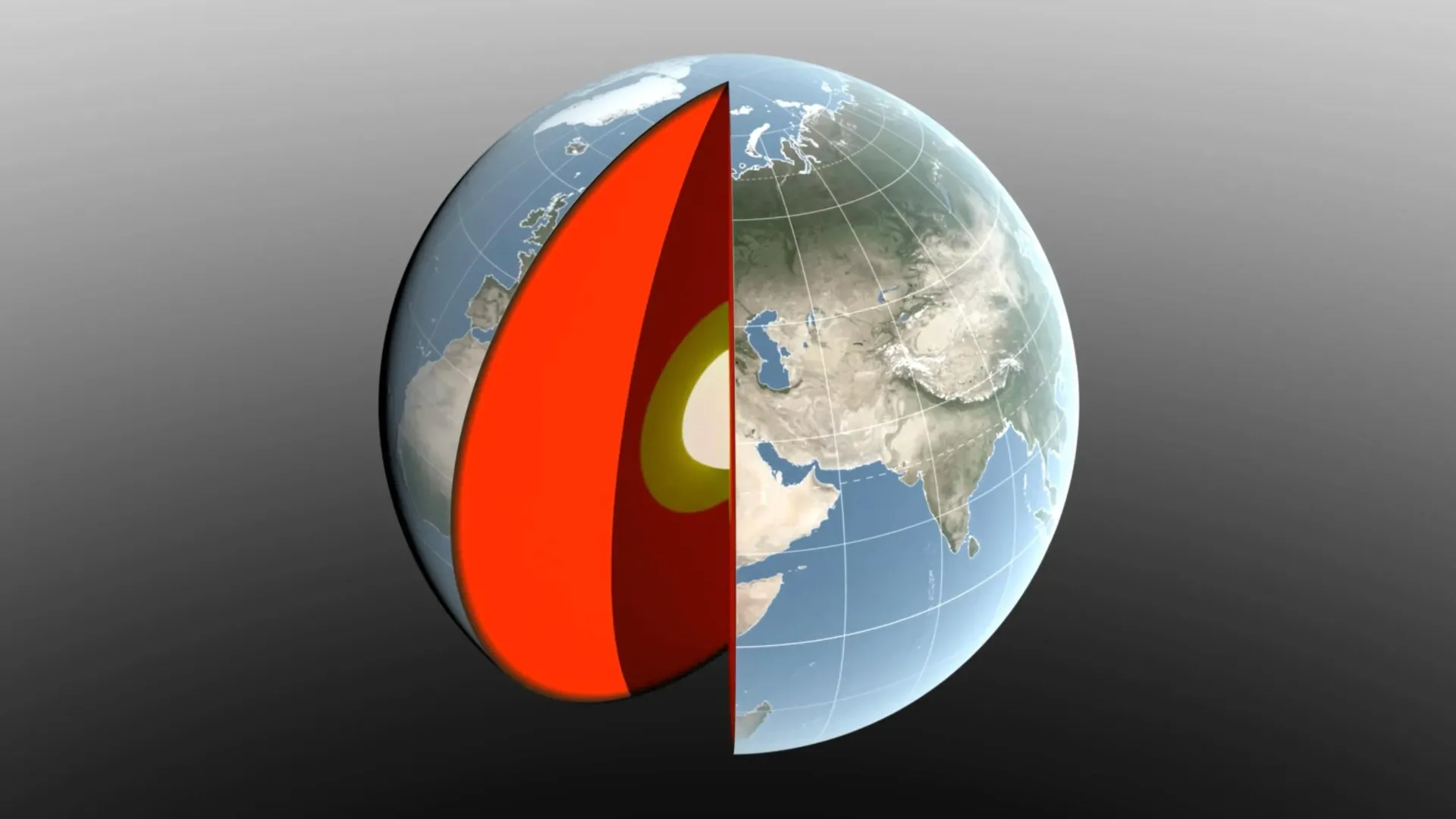
Satellites track Earth's shifting center of mass with new precision
Earth's center of mass moves millimeters each season as water, ice, and air migrate across the globe. NASA scientists have now calibrated a method to track these tiny swings with new precision, integrating laser-ranging satellites, GPS, and crustal deformation data into a validated, real-time measurement. This is empirical ocean intelligence at work. Understanding these shifts sharpens our climate indicators. For deeper context on measurable planetary change, explore our coverage of the calibrated OceanRAIN dataset.
Ocean Color Shift Reveals Measurable Climate Indicators Worldwide
A measurable shift in ocean color, detected across decades of satellite data, now offers a new, empirical window into global climate change. These are not subtle variations; they are validated indicators of biological and chemical transformation at planetary scale. Understanding drives protection. For deeper context, our coverage of "Decades of Atlantic circulation data reveal measurable climate indicators" complements this finding, reinforcing how integrated ocean intelligence reveals the pulse of a changing Earth.

Mapping Ocean Winds: NASA Data Fuels New Integrated Atlases
NASA's new integrated atlases turn decades of satellite measurements into a single, coherent view of ocean winds. This is more than data compilation; it is the kind of calibrated, peer-reviewed synthesis that makes our ocean intelligence actionable. The clarity here is a direct result of validated science, and it sets a standard for how we track climate indicators. For those following how such monitoring connects to broader maritime security, our coverage of the Puntland tanker rescue offers a stark contrast in real-world stakes.
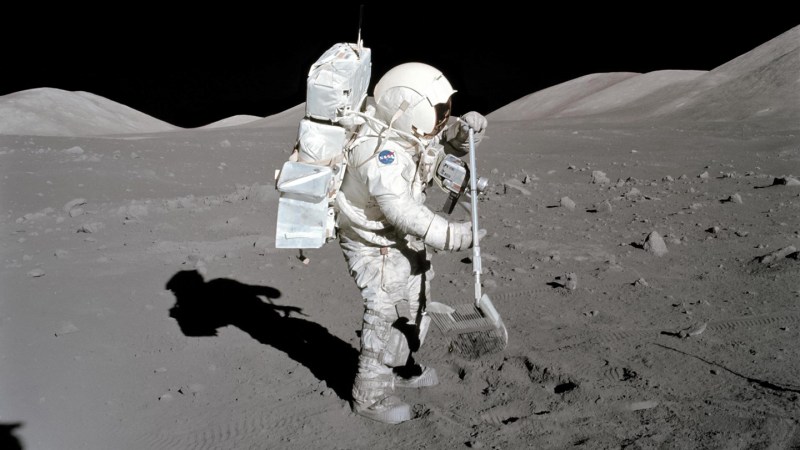
Lunar Exploration: Assessing Microbial Risks with Artemis IV
Fifty years after the last bootprint, Artemis IV returns humans to the lunar surface, and NASA is already asking what we might be bringing with us. New research identifies the hardy microbes hitching a ride on our spacecraft, turning a question of planetary protection into a matter of empirical precision. This isn't just about keeping the moon pristine; it's about understanding our own biological footprint. For those tracking how life endures in extreme conditions, our related piece on fossilized dinosaur traits offers a fascinating parallel.
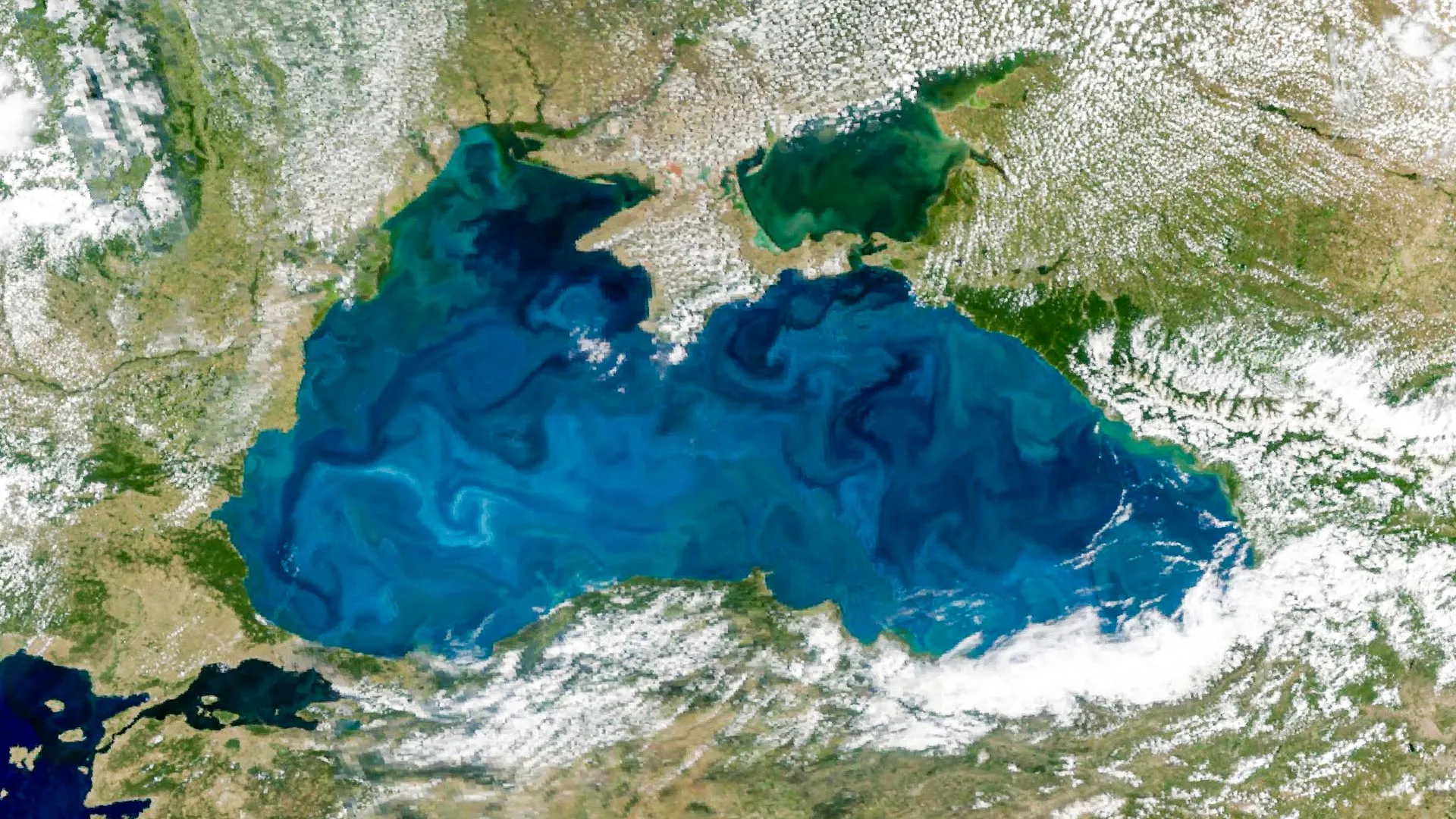
Black Sea Bloom: Satellite Data Reveals Turquoise Waters from Space
From orbit, the Black Sea has turned turquoise. NASA's PACE satellite captured the annual phytoplankton bloom, its reflective coccolithophore shells brightening the water enough to be seen from space. An astronaut on the International Space Station also photographed the bloom threading through the Bosphorus, where swirling currents reveal its reach. It is a striking reminder that ocean intelligence begins with observation, and that such calibrated data is essential for tracking the health of our shared seas.