Qatar LNG Tanker Sails Through Strait Of Hormuz For First Time Since July
Our take
The recent transit of the Al Marrouna, a Qatar LNG tanker, through the Strait of Hormuz marks a significant, albeit tentative, step towards normalizing energy flows in a region characterized by geopolitical instability. This is the first such passage since July, a period punctuated by increased tensions and heightened security concerns. The event’s importance is amplified when considered alongside the concurrent challenges impacting global supply chains, notably the [Panama Canal Squeezes Daily Capacity To 29 Ships, Threatening Global Supply Chains]. Both situations highlight vulnerabilities in critical maritime routes and underscore the interconnectedness of global energy markets. Furthermore, the Strait’s strategic value is compounded by ongoing naval operations, such as the [U.S Navy SEAL’s Spent 4-Months Conducting Covert Nighttime Missions To Clear Mines From Strait Of Hormuz], emphasizing the complex security landscape within which commercial shipping must operate.
The Strait of Hormuz, a narrow waterway connecting the Persian Gulf to the Gulf of Oman and the Arabian Sea, is arguably the world’s most strategically important chokepoint for oil and LNG shipments. Approximately 30% of the world’s seaborne LNG supply passes through it annually, making its stability crucial for global energy security. Disruptions, whether due to military conflict, piracy, or political maneuvering, can trigger significant price volatility and impact energy supplies across continents. The recent detention of a sanctioned tanker in Yemen, as detailed in [Yemen Detains Sanctioned Tanker After Armed Guards Fire On Coast Guard Patrol Following Houthi Port Call], serves as a stark reminder of the potential for escalation and the unpredictable nature of maritime security in the region. The Al Marrouna’s transit, therefore, should be viewed not as an isolated incident, but as a data point within a larger, more complex picture.
Analyzing this development through an ocean intelligence lens, we can observe a subtle recalibration of risk assessment. While tensions remain high – and the potential for disruption is ever-present – the fact that a major LNG carrier has successfully navigated the strait suggests a degree of confidence in the prevailing security environment, or at least a calculated acceptance of the inherent risks. This confidence is likely underpinned by ongoing diplomatic efforts and the presence of international naval forces, although their effectiveness remains subject to ongoing evaluation. The movement of LNG, given its high value and relative ease of diversion, is often a barometer of geopolitical stability. Its resumption of regular transit implies a degree of normalization, though it’s vital to acknowledge that this is a fragile equilibrium. The broader context of global energy demand, particularly in Europe seeking alternatives to Russian gas, also contributes to the increased scrutiny and potential for increased LNG flows through the Strait.
Looking ahead, the long-term implications of this transit hinge on the evolving dynamics within the region. While the immediate impact may be limited to a slight easing of market anxieties, the situation demands continuous monitoring and rigorous risk assessment. The interplay between regional power struggles, international naval presence, and commercial interests will continue to shape the security landscape of the Strait of Hormuz. A critical question moving forward is whether this transit represents a sustainable trend or a temporary reprieve, and whether the broader geopolitical climate will allow for a continued normalization of energy flows through this vital waterway. Further longitudinal data collection and analysis, particularly focusing on shipping patterns and security incidents, will be essential for developing a more comprehensive understanding of the evolving risks and opportunities within the region.
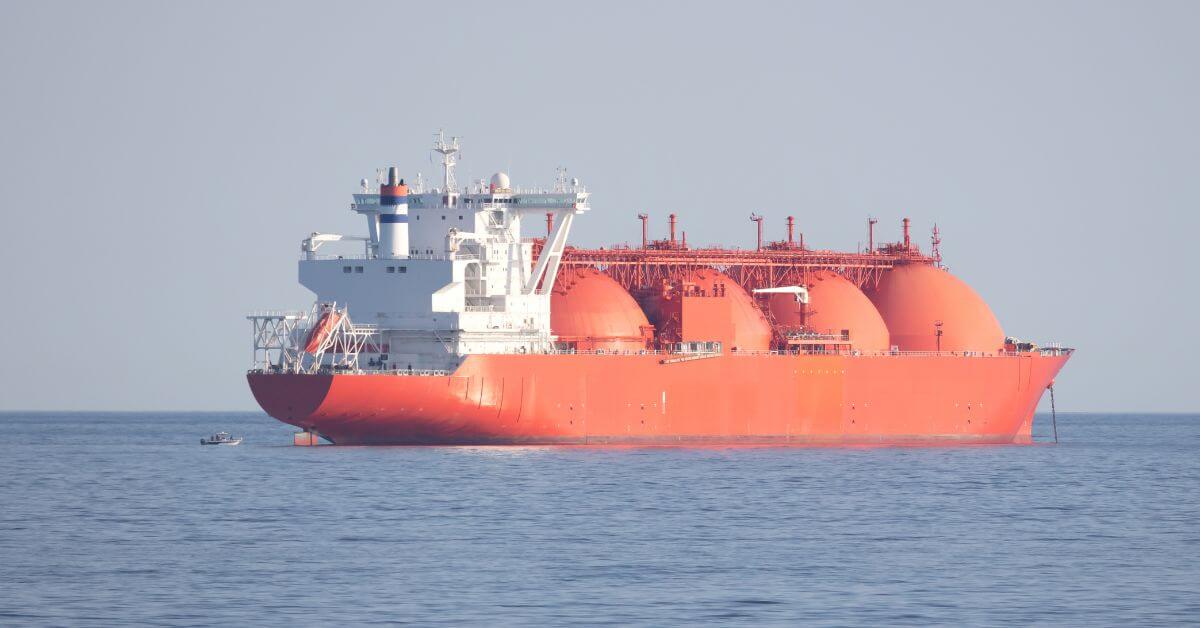
A Qatari LNG tanker has passed through the Strait of Hormuz and reached the Gulf of Oman. It is the first visible movement of Qatar’s LNG out of the Gulf through the waterway since July.
The Al Marrouna, which loaded LNG in Qatar early last month, was in the Gulf of Oman on Tuesday morning local time.
Its next destination was listed as Port Qasim in Pakistan, with a possible arrival on Thursday, according to ship-tracking data compiled by Bloomberg.
The tanker was sending its location while it made the trip through Hormuz.
Several empty Qatari LNG tankers have started moving back toward the Persian Gulf. This could mean Qatar is preparing some vessels for LNG shipments through Hormuz again, although it is not clear whether regular exports will resume.
Qatar has stopped sending LNG through the waterway since one of its tankers was attacked in late July. Before the war, Qatar accounted for about one-fifth of global LNG exports.
The disruption has also affected gas markets. Prices in Europe and Asia have risen to their highest levels in more than three years in recent days after fresh strikes on vessels in the region and continued problems with Qatari LNG exports.
A return of more Qatari LNG cargoes could help buyers, especially in South Asia, where some customers are dealing with shortages and power blackouts.
But LNG shipments leaving the Persian Gulf are still below their earlier level of about three shipments a day.
Qatar Keeps Some LNG Production Going
Qatar has not stopped its LNG operations completely.
The country has continued loading LNG onto empty tankers available inside the Gulf. Some of the gas has been sent to Kuwait.
This has helped Qatar manage its LNG storage and keep parts of its large export facilities running at minimum levels.
Keeping some production going also means the equipment can remain in operation. QatarEnergy can then increase production more quickly if the situation around the waterway improves.
Qatar last month extended force majeure on LNG deliveries to European and Asian buyers into October. This has helped keep gas prices high.
Iran said on Monday that an agreement with Oman on managing shipping through the Strait of Hormuz was close.
The Al Marrouna has now completed the passage through Hormuz, but one tanker does not mean that Qatar’s LNG exports have returned to normal.
References: Bloomberg, ndtvprofit
Read on the original site
Open the publisher's page for the full experience