Europe
World Data Ocean keeps Europe in one place: 10 stories so far. The section currently leads with “Shallow-water coral sighting near Naxos raises climate questions”, “Optimal LNG Carrier Design: Boosting Capacity, Reducing Costs”, and “Qatar LNG Transits Strait of Hormuz, Marking a Shift in Flows”. A single frame of pale tissue on a sunlit stone, twenty meters from a Naxos beach, is the kind of sighting that turns a casual swim into a data point. A 200,000m³ LNG carrier can move more gas per voyage without sacrificing access to the terminals that matter most. A Global Hub for Ocean Intelligence 4 World Data Ocean is a centralized digital platform where researchers, scientists, and ocean enthusiasts converge to… The list below is every Europe story on World Data Ocean, newest first.

Shallow-water coral sighting near Naxos raises climate questions
A single frame of pale tissue on a sunlit stone, twenty meters from a Naxos beach, is the kind of sighting that turns a casual swim into a data point. The observer's uncertainty is valid, distinguishing a stressed coral from an encrusting algae or sponge requires calibrated eyes. Yet the location, depth, and timing align with shifting climate indicators. Whether this is a range expansion or a misidentification, the observation itself is measurable.
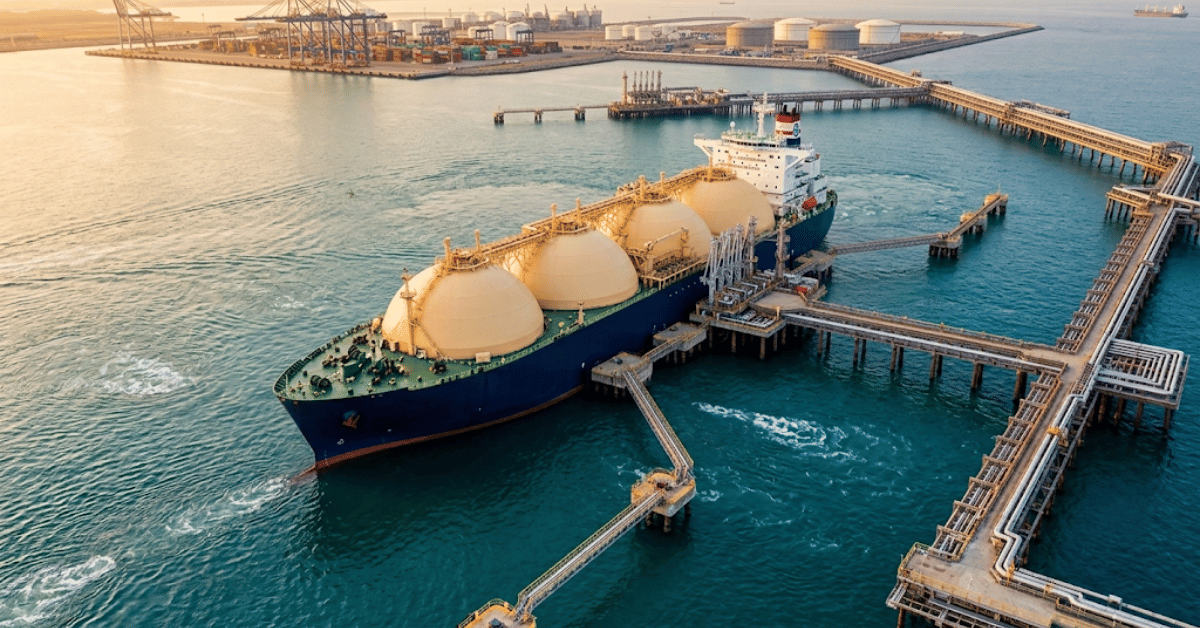
Optimal LNG Carrier Design: Boosting Capacity, Reducing Costs
A 200,000m³ LNG carrier can move more gas per voyage without sacrificing access to the terminals that matter most. LR's analysis shows that this larger capacity directly reduces unit transport costs while staying compatible with the majority of existing infrastructure. That is practical efficiency, not speculative ambition. For readers tracking how maritime logistics adapt under pressure, our piece on Gulf of Oman STS transfers maxing out offers a useful parallel.
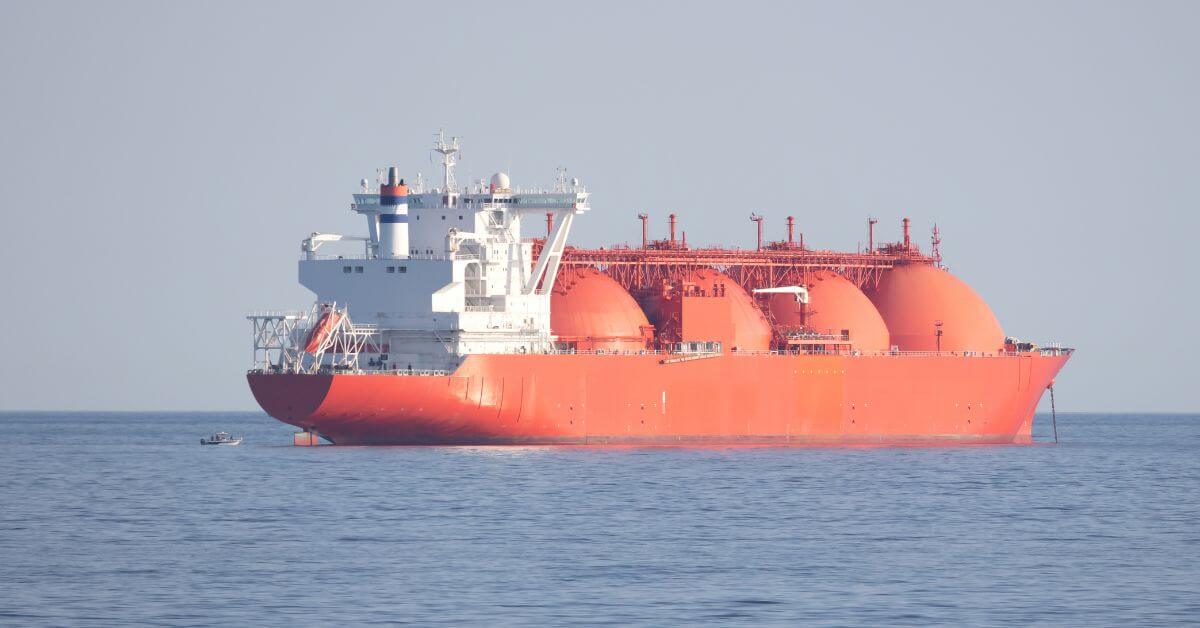
Qatar LNG Transits Strait of Hormuz, Marking a Shift in Flows
The Al Marrouna, a Qatari LNG carrier now transiting the Strait of Hormuz, signals a tangible recalibration of global energy flows. This is not just a vessel movement, it is a measured, empirical data point in a volatile corridor. We track these shifts because ocean intelligence demands precision, not alarm. For deeper context on regional capacity, see our analysis on Gulf of Oman STS transfers maxing out amid rising Saudi exports. Understanding drives protection.
Charting a Course: Combining Oceanography Studies for Career Options
Choosing between marine biology and geography is a decision about data as much as passion. A double major in oceanography and geography builds the spatial-analysis skills that hydrographic surveyors rely on daily, and that path offers a clearer return on investment than a marine biology pairing. The job market rewards calibrated, measurable skills. Geography grounds your degree in practical, integrated data ecosystems, while marine biology often requires advanced study for similar stability. For a stable career, geography is the pragmatic choice.
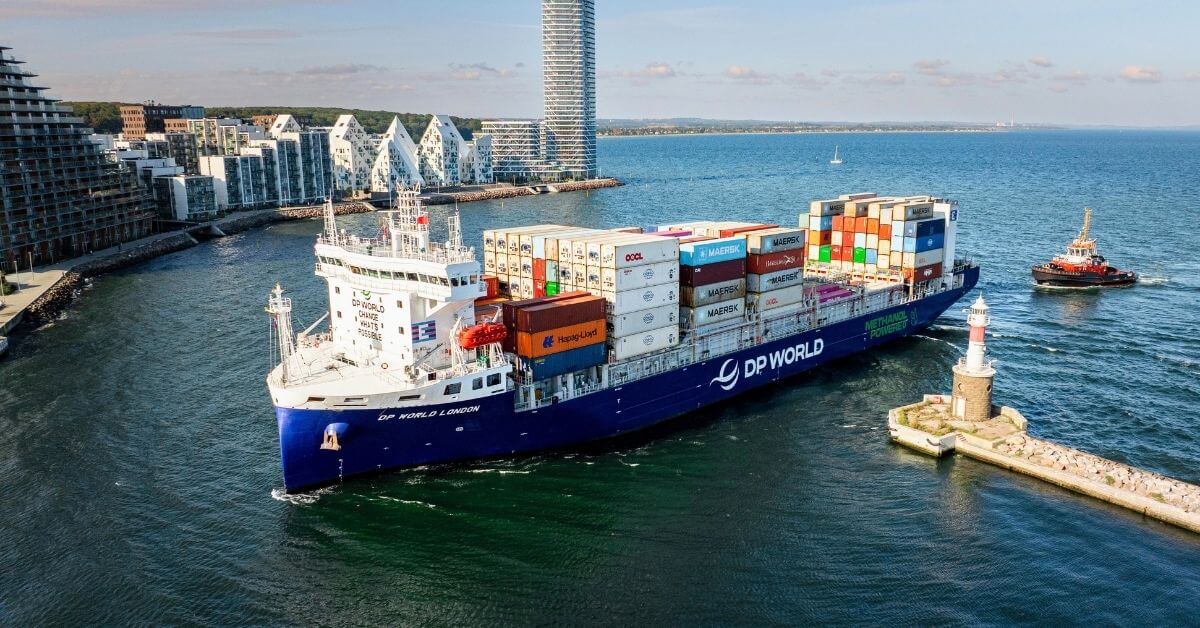
DP World Launches First Methanol-Powered Vessel, Advancing Sustainable Shipping
DP World has named its first methanol dual-fuel vessel at a ceremony in Aarhus, Denmark, marking a concrete step toward lower-emission shipping. The move aligns with the kind of practical, measurable progress the maritime sector needs. Methanol offers a viable path forward, and this launch signals intent backed by action. For readers tracking ocean security and infrastructure developments, our coverage of the U.S. Coast Guard's recent Arctic pier contract complements this story well.
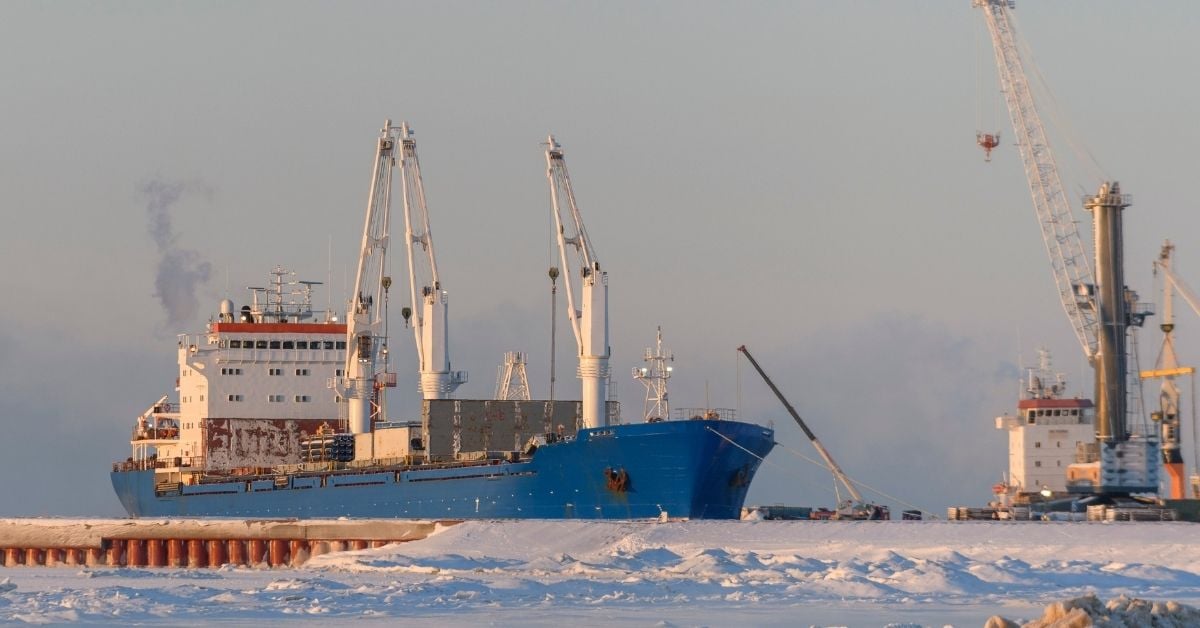
Canadian Grain Resumes European Shipping Via Churchill Port After Six-Year Hiatus
Thirty thousand tonnes of durum wheat now sit aboard a vessel bound for Europe, the first such departure from Churchill, Manitoba, in six years. This resumption of Canadian grain shipping through the Port of Churchill signals a practical return to a vital Arctic corridor. It is a measured step, but a telling one for northern logistics. For broader context on shifting Arctic trade routes, our coverage of the Vostok Project's Arctic oil exports offers a parallel view.

South Korea Charts Arctic Route, Balancing Commerce and Geopolitical Concerns
South Korea's first Arctic-bound ship to Europe is a calculated test, not a statement. The route's commercial viability hinges on ice-free seasons and cost efficiency, yet the geopolitical undertow is undeniable. Western backlash over Russian cooperation complicates what might otherwise be a straightforward logistics calculation. We see a nation weighing measurable gains against diplomatic friction, a balance requiring calibrated judgment. For deeper context on Moscow's Arctic ambitions, our related piece, "Russia Calibrates Export Revenue for Northern Sea Route Icebreaker Fleet," outlines the financial stakes.

Unexpected Mole Crab Discovery on Croatian Island Highlights Coastal Biodiversity
A slow-burn identification process turned a puzzling specimen into a compelling case for coastal biodiversity. Researchers on a Croatian island eventually confirmed the find as a mole crab, a discovery that underscores how much the nearshore still has to teach us. It took patience to place, but the payoff is a reminder that taxonomy rewards persistence. For another example of unexpected distribution, our piece on the chiton discovery in Puerto Rico offers a similar puzzle worth exploring.

Chinese Shipping Expands Arctic Route Access via Northern Sea Route.
Seven Chinese vessels have received permits to transit the Northern Sea Route to Europe, a concrete step in Beijing's Arctic engagement. Rosatom's approval signals Russia's willingness to integrate Chinese shipping into its ice-covered corridor. The move is practical, not ceremonial: it extends commercial reach while testing the route's reliability. For readers tracking the region's momentum, our related piece on Russia's icebreaker export revenue calibrations offers useful context on the infrastructure behind these transits.

Solar-Powered Car Carrier Embarks on Global Shipping Routes
A solar-powered car carrier is set to enter global trade routes, leased to Hyundai Glovis for service connecting Asia, Southeast Asia, North America, and Europe. The move aligns with broader efforts to integrate cleaner propulsion into commercial shipping. For context on how vessel design is evolving alongside fuel efficiency, our piece on optimal LNG carrier design offers useful comparison. This deployment signals measurable progress in applying renewable energy to high-traffic ocean corridors.