Asia
10 stories filed under Asia on World Data Ocean. The newest of them: “LNG-Ready Makua Christened, Advancing Measurable Fleet Modernisation”, “Reduced Canal Transits: Drought Impacts Global Shipping Routes.”, and “Qatar LNG Transits Strait of Hormuz, Marking a Shift in Flows”. Matson's christening of the *Makua* marks a measurable step forward in fleet modernisation. The Panama Canal is tightening its grip. A Global Hub for Ocean Intelligence 4 World Data Ocean is a centralized digital platform where researchers, scientists, and ocean enthusiasts converge to… The list below is every Asia story on World Data Ocean, newest first.
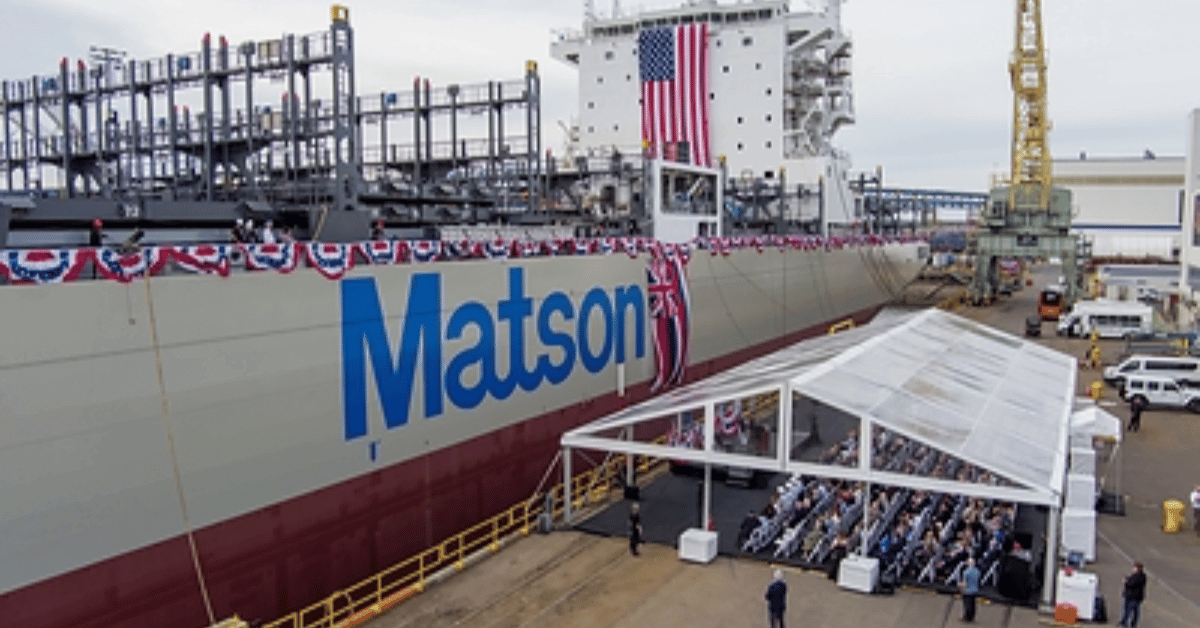
LNG-Ready Makua Christened, Advancing Measurable Fleet Modernisation
Matson's christening of the *Makua* marks a measurable step forward in fleet modernisation. This first LNG-ready containership, built under a $1 billion programme, integrates validated technology that supports decarbonisation without sacrificing operational integrity. For readers tracking parallel innovations, our coverage of Fincantieri's nearly €100 million investment in robotic shipyard intelligence offers another calibrated example of how empirical progress is reshaping maritime infrastructure. Understanding drives protection, and these investments are built on data, not hype.
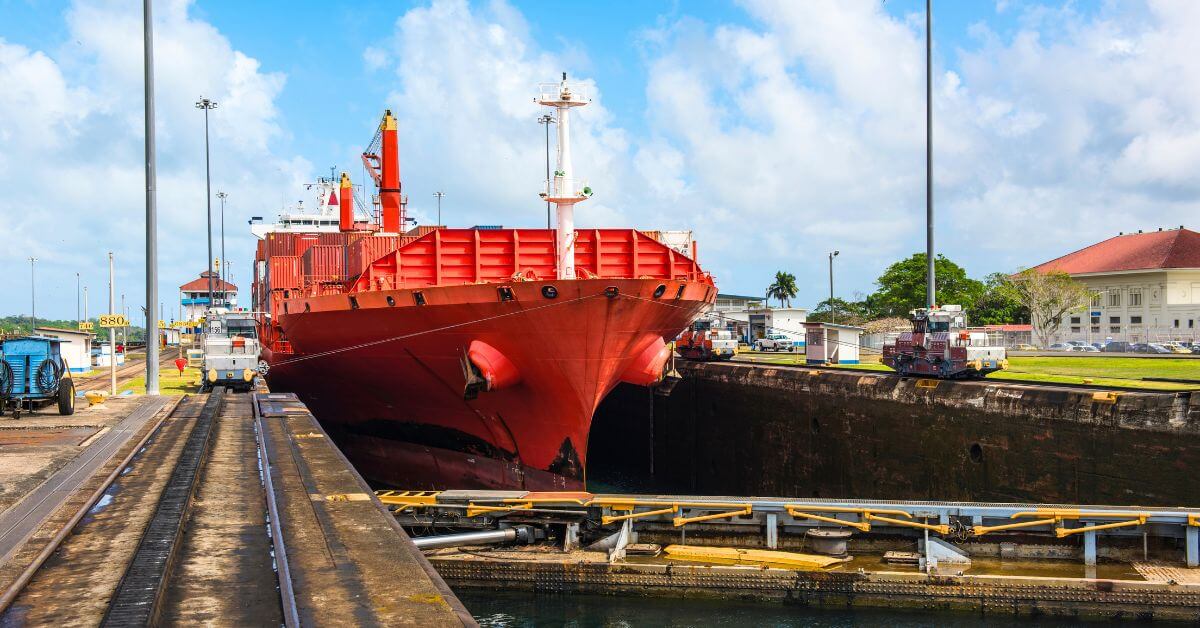
Reduced Canal Transits: Drought Impacts Global Shipping Routes.
The Panama Canal is tightening its grip. Starting in October, an average of 29.5 vessels per day will be allowed through, a direct response to the drought that is reshaping global shipping routes. This is not an abstract climate indicator; it is a measurable constraint on trade. We see the canal's draft plan as a practical, if difficult, calibration of limited resources. For context on how other chokepoints are straining, our piece on Gulf of Oman STS transfers offers a parallel view.
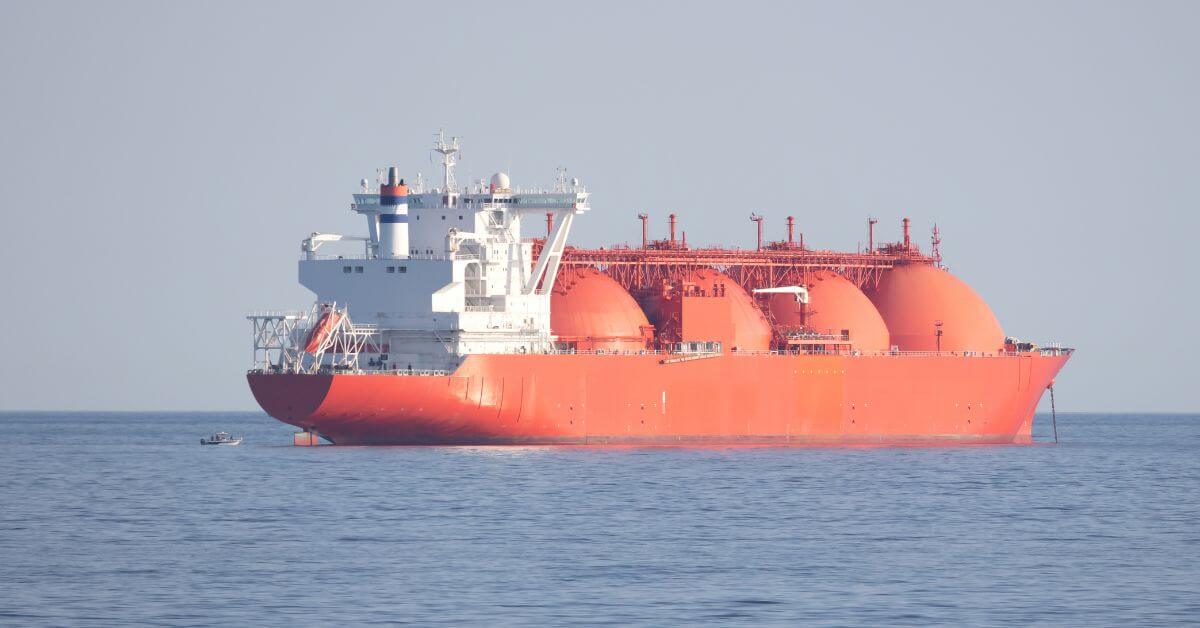
Qatar LNG Transits Strait of Hormuz, Marking a Shift in Flows
The Al Marrouna, a Qatari LNG carrier now transiting the Strait of Hormuz, signals a tangible recalibration of global energy flows. This is not just a vessel movement, it is a measured, empirical data point in a volatile corridor. We track these shifts because ocean intelligence demands precision, not alarm. For deeper context on regional capacity, see our analysis on Gulf of Oman STS transfers maxing out amid rising Saudi exports. Understanding drives protection.
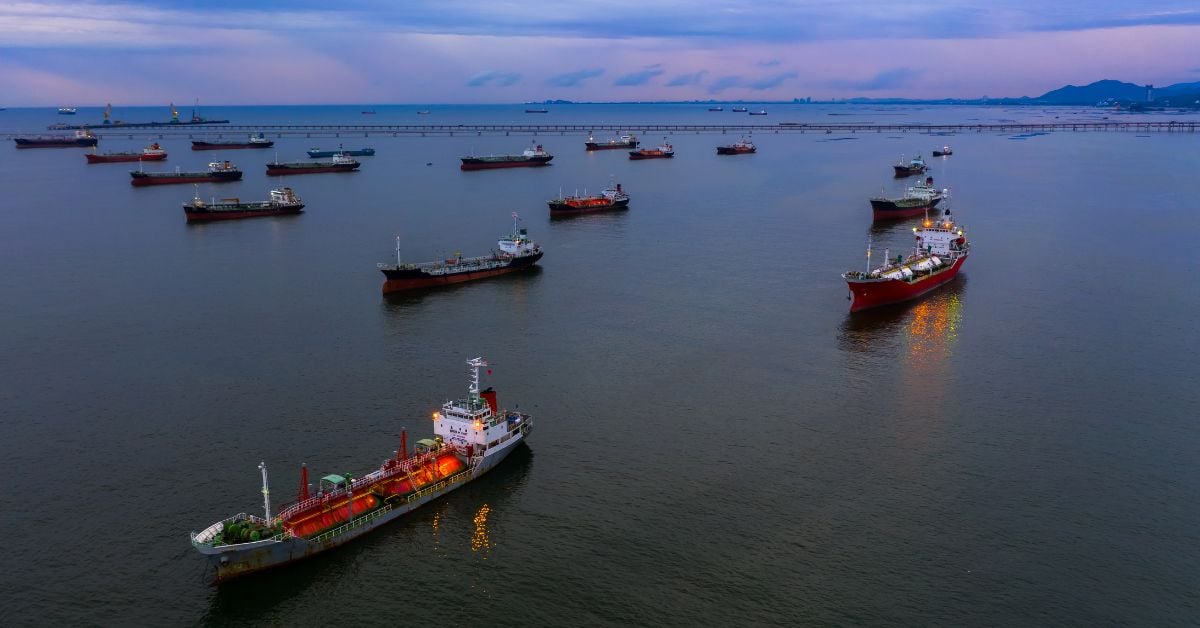
Naval Escort Ensures Oil Transit Through Strait of Hormuz.
On Tuesday, 40 tankers carrying roughly 18 million barrels of crude moved through the Strait of Hormuz under U.S. Navy escort, a measured show of force that underscores how vital this corridor remains to global energy stability. The transit proceeded without incident, but the escort is a reminder that maritime security is not automatic. For those tracking the region's shifting dynamics, our coverage of phased negotiations to ease restrictions on the Strait offers useful context. Reliable passage here is not just strategic; it is foundational.

Maersk Container Traffic Signals Rising Activity Through Suez Canal
Maersk-affiliated container traffic through the Suez Canal is climbing, with navigation reports recording a considerable uptick in daily transits. The trend signals a measured return to a route that remains central to global trade efficiency. For a shipping network still recalibrating from Red Sea disruptions, this is a practical indicator of restored confidence rather than a speculative spike. It also invites comparison with how other chokepoints, like the Strait of Hormuz, demand coordinated attention.

Safer Red Sea Route Calibrates Oil Exports Amid Geopolitical Shifts
Shipowners are rerouting Saudi crude through the safer northern Red Sea corridor, a calibrated response to persistent Houthi threats that recalibrates export flows without disrupting global supply. The move reflects pragmatic maritime adaptation, not alarm. It is a measured shift, one that keeps oil moving while reducing risk to tankers and crews. For context on how regional pressures are reshaping tanker operations, our related piece on Gulf of Oman STS transfers maxing out offers a useful counterpoint.

Solar-Powered Car Carrier Embarks on Global Shipping Routes
A solar-powered car carrier is set to enter global trade routes, leased to Hyundai Glovis for service connecting Asia, Southeast Asia, North America, and Europe. The move aligns with broader efforts to integrate cleaner propulsion into commercial shipping. For context on how vessel design is evolving alongside fuel efficiency, our piece on optimal LNG carrier design offers useful comparison. This deployment signals measurable progress in applying renewable energy to high-traffic ocean corridors.

Asian Refiners Adjust Crude Supply Routes Amid Suez Canal Disruption
South Korea's refiners are rerouting crude supply chains as Suez Canal disruptions force a pragmatic pivot. One major refiner is now seeking a Very Large Crude Carrier to load at Yanbu, with the option of transiting the Suez Canal still on the table. It's a measured response to a volatile corridor, reflecting how quickly logistics adapt when geopolitical friction meets energy demand. The calculus is straightforward: secure throughput, manage cost, keep refineries running.

India-Bound Shipping Traffic Highlights Iran's Strait of Hormuz Influence
Twenty percent of outbound Persian Gulf transit requests now name Indian ports, trailing only China's 21 percent. That concentration is a measurable signal of how deeply subcontinental demand shapes Gulf shipping lanes. It also underscores the strategic weight of the Strait of Hormuz as a chokepoint for India-bound energy and goods. For readers tracking maritime shifts, this complements our look at Goa's new seafarer welfare hub, a practical investment in the human side of these same routes.

Asia Sees Seven-Year Low in Ship Robberies During First Half of 2026
Armed robbery against ships in Asian waters fell to its lowest level in seven years during the first half of 2026, a measurable sign of progress in maritime security. The decline validates sustained patrols and regional coordination, though it is no cause for complacency. Fewer incidents mean safer sea lanes, but the trend must hold across a full year to carry real weight. For broader context on regional naval strategy, our coverage of India's expanded fleet projections offers a useful counterpoint.