South Asia
World Data Ocean keeps South Asia in one place: 4 stories so far. The section currently leads with “Qatar LNG Transits Strait of Hormuz, Marking a Shift in Flows”, “EU Ship Scrapping Trends: Outsourcing to South Asia Raises Concerns”, and “Military Action Intensifies for Dawei Port Project in Myanmar”. The Al Marrouna, a Qatari LNG carrier now transiting the Strait of Hormuz, signals a tangible recalibration of global energy flows. The vast majority of EU-owned and EU-flagged ships are sent to be scrapped in India, Pakistan, and Bangladesh, where working conditions are often poor. A Global Hub for Ocean Intelligence 4 World Data Ocean is a centralized digital platform where researchers, scientists, and ocean enthusiasts converge to… The list below is every South Asia story on World Data Ocean, newest first.
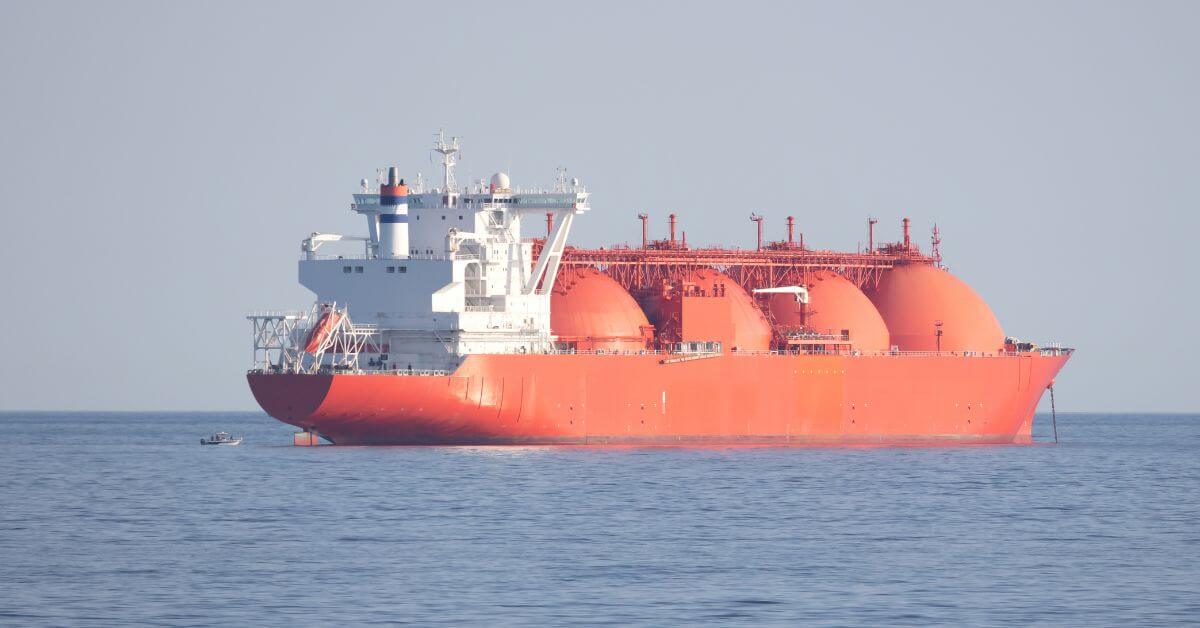
Qatar LNG Transits Strait of Hormuz, Marking a Shift in Flows
The Al Marrouna, a Qatari LNG carrier now transiting the Strait of Hormuz, signals a tangible recalibration of global energy flows. This is not just a vessel movement, it is a measured, empirical data point in a volatile corridor. We track these shifts because ocean intelligence demands precision, not alarm. For deeper context on regional capacity, see our analysis on Gulf of Oman STS transfers maxing out amid rising Saudi exports. Understanding drives protection.
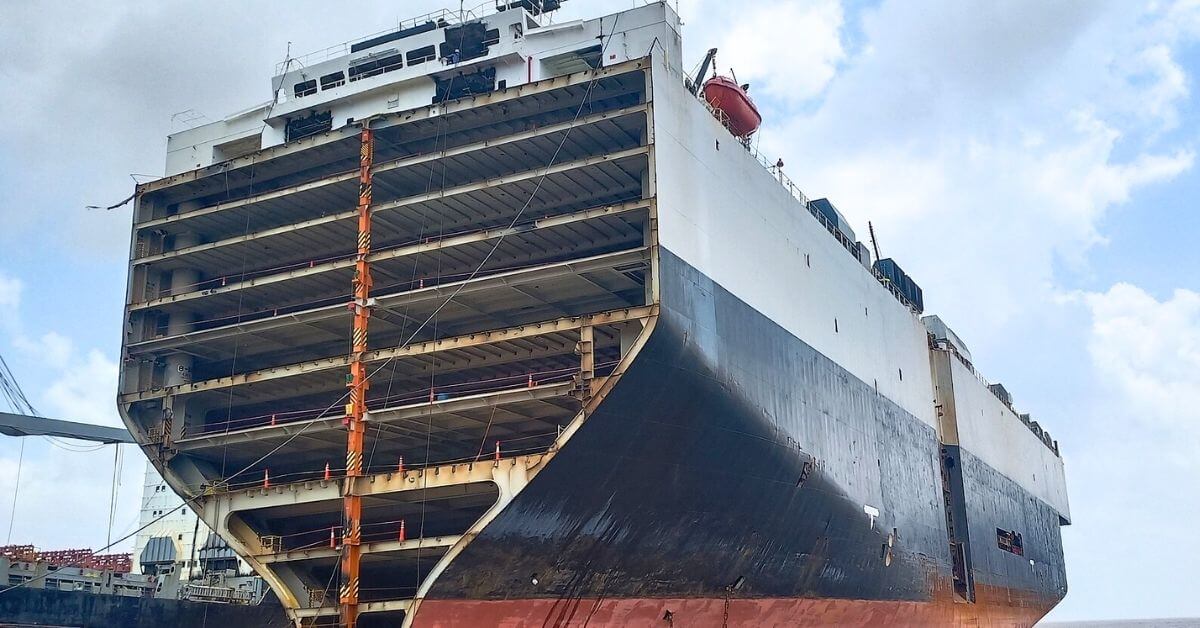
EU Ship Scrapping Trends: Outsourcing to South Asia Raises Concerns
The vast majority of EU-owned and EU-flagged ships are sent to be scrapped in India, Pakistan, and Bangladesh, where working conditions are often poor. This outsourcing raises serious concerns about accountability. We cannot claim progress in ocean stewardship while our vessels meet their end in ways that undermine that very principle. Understanding drives protection, and this trend demands scrutiny. For broader context on how maritime infrastructure is evolving, our related coverage on the integrated subsea cables enhancing Indian Ocean connectivity offers a useful counterpoint.

Military Action Intensifies for Dawei Port Project in Myanmar
Myanmar's military has escalated its campaign to secure land for the Dawei Port project, signaling a firm resolve to reclaim territory through force. This offensive marks the clearest indication yet that the government will not shy from confrontation to advance the initiative. The stakes are high, and the implications for regional stability are significant. For broader context on how state-backed maritime projects intersect with security pressures, our piece on Russia's Northern Sea Route icebreaker fleet offers a parallel view of geopolitical maneuvering.

Integrated Data Supports Humanitarian Aid Across Africa and South Asia
The Auspicious Ark has set sail, carrying the Chinese Navy's hospital ship toward humanitarian missions across Africa and South Asia. This deployment underscores how integrated data ecosystems can sharpen the coordination such efforts demand. We see this as a practical convergence of logistics and care, where real-time information guides decisions. For deeper context on how subsea infrastructure supports regional connectivity, readers may explore our piece on integrated subsea cables. The mission reflects a broader truth: effective aid relies on the quiet precision of shared knowledge.