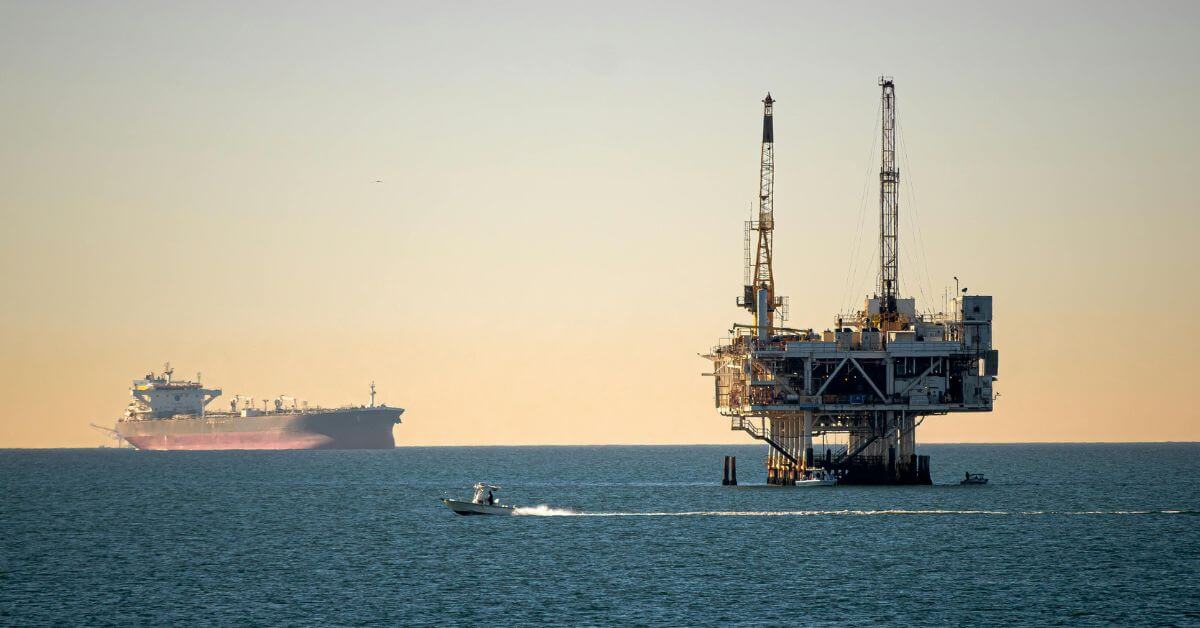
The protest that halted Woodside Energy's Scarborough gas project is a stark reminder that ocean stewardship is no longer a theoretical debate, it is a direct operational risk. While the two Greenpeace activists now face charges carrying a potential 10-year prison sentence, the real test lies in how we reconcile the measurable demand for energy with the empirical evidence of climate damage. This incident, occurring as the project sits 98% complete, forces a practical question: at what point does the cost of delay outweigh the cost of proceeding?
For our readers, researchers, policymakers, and engaged citizens, this is not simply a news cycle about civil disobedience. It is a case study in the tension between integrated energy infrastructure and climate indicators. The Scarborough project, designed to produce 8 million tonnes of LNG annually, was already under scrutiny. The Australian Conservation Foundation has challenged the related Browse project in court, arguing its emissions would accelerate climate change and threaten environments from Scott Reef to the Great Barrier Reef. These are not abstract concerns. As our own analysis of 2025 Global Temperature Data Confirms Measurable Warming Trends shows, the warming trend is not hypothetical, it is a calibrated, longitudinal reality. Meanwhile, the physical consequences of a changing planet are becoming harder to ignore. The Alaska landslide and glacier retreat produce a measured tsunami 1,580 feet high is a peer-reviewed example of how rapidly shifting landscapes can trigger extreme events. The ocean does not wait for legal proceedings.
What makes this moment consequential is the collision of timelines. Woodside had its start-up scheduled before the end of 2026. Greenpeace has signaled a willingness to occupy indefinitely. The Australian Border Force and federal authorities are now involved. But the deeper issue is not about one protest or one platform. It is about whether our systems for evaluating ocean projects are equipped to handle the pace of environmental change. UNESCO chose not to list the Great Barrier Reef as endangered in June, yet climate-related bleaching events continue. The gap between regulatory approval and ecological reality is widening. As we noted in Engineering resilience from nature: DARE for uncertain climate futures, proactive adaptation requires diverse, adaptive strategies, not reactive crisis management.
The specific consequence to watch is whether Woodside revises its start-up date. A delay of weeks is manageable; a delay of months, given the project's $12.5 billion valuation, triggers contractual and market ripple effects. But the open question is more fundamental: will this incident accelerate a peer-reviewed reassessment of how offshore gas projects account for cumulative emissions and ecosystem impacts? The activists' message, "Stop Woodside's Dirty Gas. Save Scott Reef", may have been unauthorized, but the data behind their concern is validated. The ocean is not a backdrop for energy policy; it is a calibrated system sending measurable signals. Ignoring them is no longer a viable operational strategy.