Greenpeace
Greenpeace at World Data Ocean is a file of 2 stories. The newest of them: “Shipboard protest follows Pacific mineral survey amid seabed mining debate” and “Sinking Tanker Raises Concerns Over Oil Spill and Regional Impact”. A government-owned research vessel returns from a Pacific mineral survey to find Greenpeace activists waiting on its deck. The Caroline Bezengi, an 899-foot tanker, has sat grounded off Qibliyah Island in southwestern Oman for weeks, and the stillness is the problem. A Global Hub for Ocean Intelligence 4 World Data Ocean is a centralized digital platform where researchers, scientists, and ocean enthusiasts converge to… The list below is every Greenpeace story on World Data Ocean, newest first.
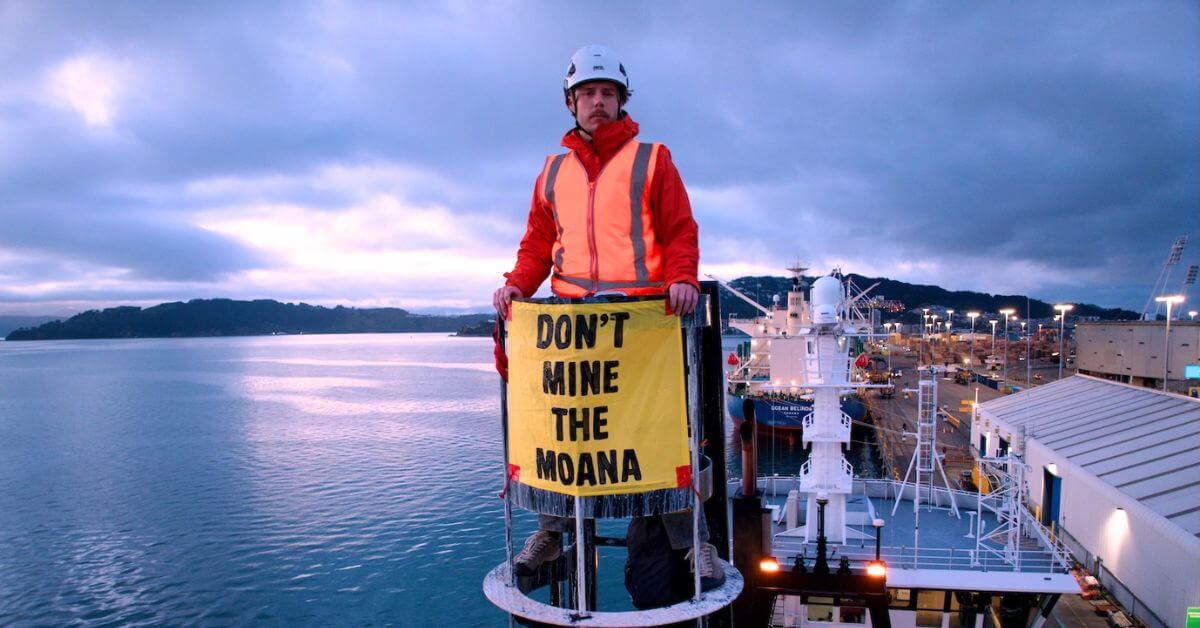
Shipboard protest follows Pacific mineral survey amid seabed mining debate
A government-owned research vessel returns from a Pacific mineral survey to find Greenpeace activists waiting on its deck. The protest sharpens a global debate: who owns the seabed, and at what cost to the ocean? Validated science must underpin these decisions, not corporate urgency or alarmist rhetoric. For deeper context on maritime tensions and resource disputes, see our coverage of the Mediterranean oil spill modeling upgrades. Understanding drives protection, and the Pacific's future depends on the integrity of the data we collect now.

Sinking Tanker Raises Concerns Over Oil Spill and Regional Impact
The Caroline Bezengi, an 899-foot tanker, has sat grounded off Qibliyah Island in southwestern Oman for weeks, and the stillness is the problem. A hull breached this long in a shallow, sensitive zone is a slow-motion environmental liability. The risk of an oil spill is not hypothetical; it is a ticking clock. This incident underscores why regional traffic safety demands urgent attention. For broader context on these maritime pressures, our coverage of the Gulf of Oman STS Transfers piece highlights the region's intense shipping activity.