ship-to-ship transfers
ship-to-ship transfers at World Data Ocean is a file of 6 stories. The newest of them: “Kandla Port's Record Cargo Day Signals Measured Growth in Ocean Commerce”, “Kiwi Frigate Monitors Sanctions, Enhancing Global Maritime Security Intelligence”, and “Saudi Arabia Redirects Oil Exports; Global Supply Concerns Ease.”. Kandla Port handled 9,63,951 metric tonnes of cargo in a single day, a national record that signals measured growth, not hype, in ocean commerce. For three months, a Royal New Zealand Navy task group has monitored possible violations of UN sanctions against North Korea, turning a routine patrol into a concrete measure of maritime accountability. A Global Hub for Ocean Intelligence 4 World Data Ocean is a centralized digital platform where researchers, scientists, and ocean enthusiasts converge to… The list below is every ship-to-ship transfers story on World Data Ocean, newest first.
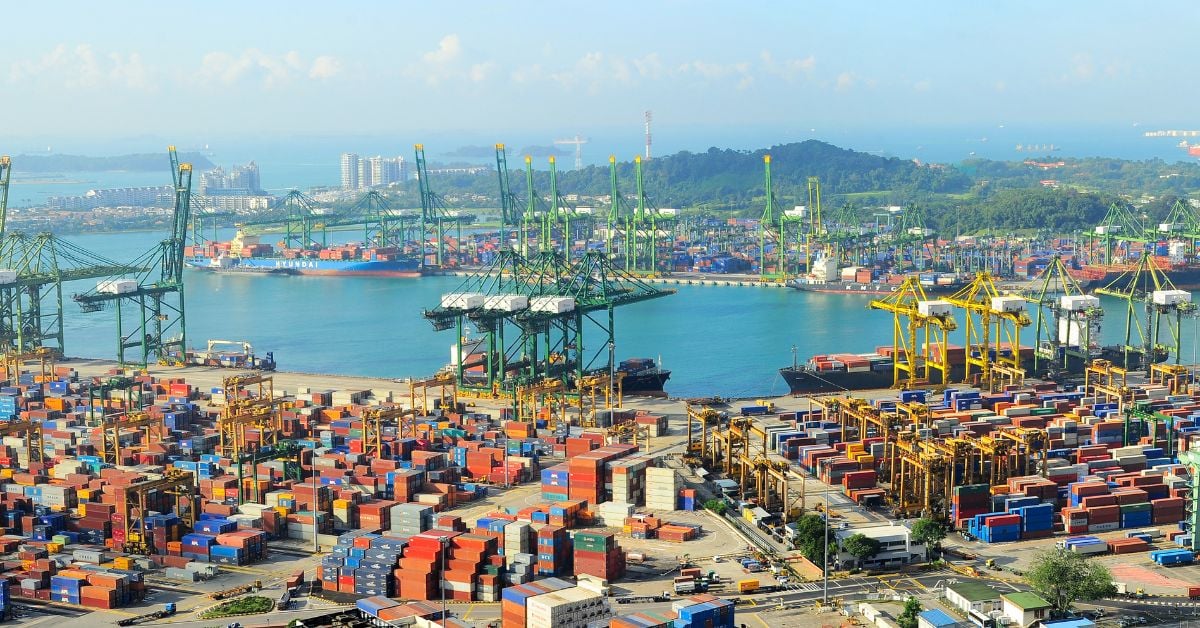
Kandla Port's Record Cargo Day Signals Measured Growth in Ocean Commerce
Kandla Port handled 9,63,951 metric tonnes of cargo in a single day, a national record that signals measured growth, not hype, in ocean commerce. This is empirical progress: real-time throughput validating India's maritime capacity. When infrastructure delivers validated results, it strengthens the entire integrated data ecosystem. For deeper context on global port developments, see our coverage of "A Measured Step Forward for West African Maritime Infrastructure." Understanding drives protection, and records like this one give us data worth tracking.
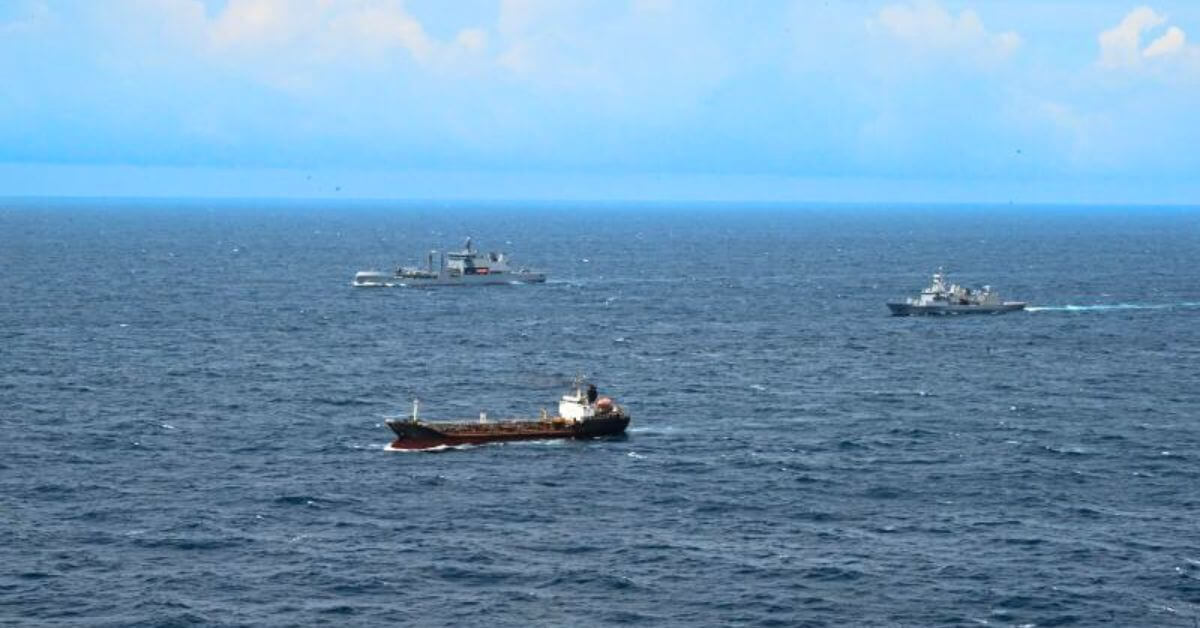
Kiwi Frigate Monitors Sanctions, Enhancing Global Maritime Security Intelligence
For three months, a Royal New Zealand Navy task group has monitored possible violations of UN sanctions against North Korea, turning a routine patrol into a concrete measure of maritime accountability. This is the kind of quiet, persistent work that gives "ocean intelligence" its weight. The deployment strengthens global security, yet it rarely makes headlines. It should. For deeper context on how regional navies are expanding their reach, see our related piece, "New Zealand Vessels Traverse Taiwan Strait En Route to Philippines Exercise.
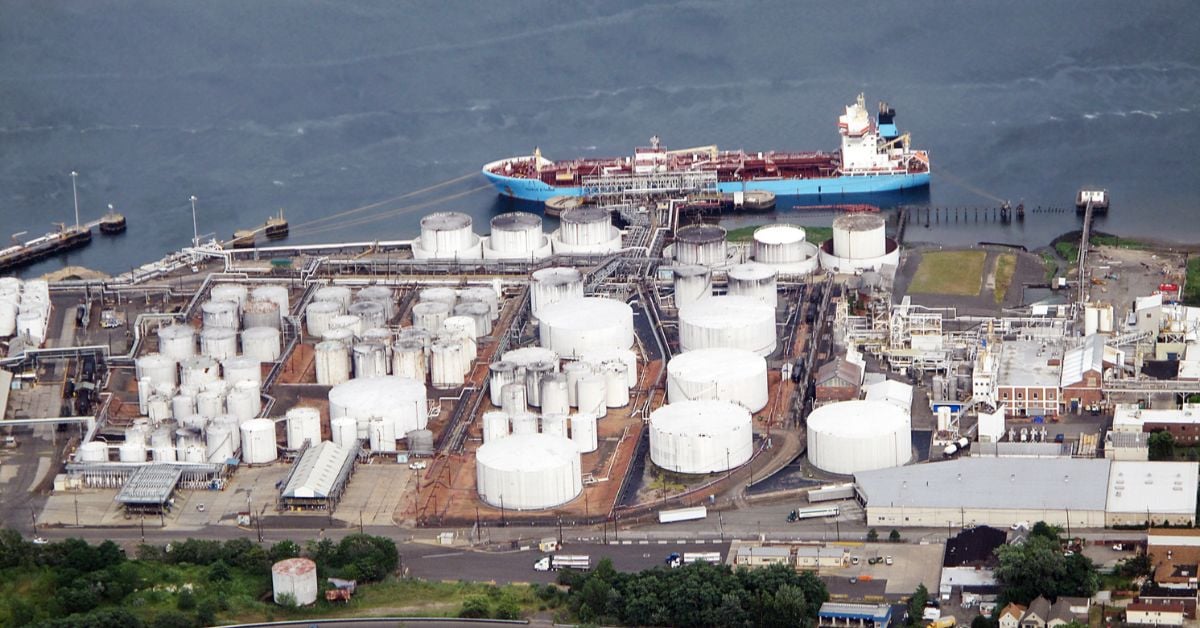
Saudi Arabia Redirects Oil Exports; Global Supply Concerns Ease.
Saudi Arabia's decision to reroute crude through Oman has already trimmed oil prices by 1.2%, a measured market response to reduced supply fears. The move does not erase the Strait of Hormuz's fragility, but it buys time for diplomacy. This is pragmatic recalibration, not panic. For those tracking the mechanics, our related piece on Gulf of Oman STS transfers shows how strained these alternative routes have become. The pressure has not lifted; it has simply shifted.

Strait of Hormuz Traffic Dips Amid Rising Geopolitical Tensions.
Tanker traffic through the Strait of Hormuz is tightening as Iran vows retaliation against U.S. sanctions designed to sever its economic lifelines. The shift is measurable, and it carries weight for global energy flows. Geopolitical friction is no longer abstract; it is showing up in real-time transit data. For context, our coverage of Gulf of Oman STS Transfers Max Out Amid Rising Saudi Oil Exports highlights how regional chokepoints are already operating at capacity.

U.S. Actions Disrupt Iranian Shipping Amidst Regional Tensions
U.S. Central Command reports that its forces have redirected 70 merchant vessels, boarded two, and disabled three since reimposing the blockade on Iran. These actions disrupt shipping lanes already strained by regional tensions. Measured enforcement, yes, but the ripple effects demand attention. For context on how these routes are evolving, our related piece, "Gulf of Oman STS Transfers Max Out Amid Rising Saudi Oil Exports," details the capacity pressures amplifying this pressure.

Shipping Routes Shift: Chinese Tankers Navigate Geopolitical Risks.
Chinese and Hong Kong-owned tankers are now turning to ship-to-ship transfers in the Gulf of Oman and near Fujairah, a quiet but telling adjustment to shifting geopolitical pressures. The maneuver is practical, measured, and speaks to how rapidly maritime strategy adapts when routes tighten. This is not alarmism; it is logistics under constraint. For deeper context on how regional chokepoints are evolving, our related coverage on Gulf of Oman STS transfers maxing out offers useful grounding.